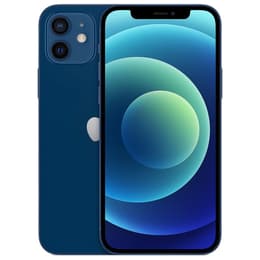
Google Pixel 6A Vs iPhone 12

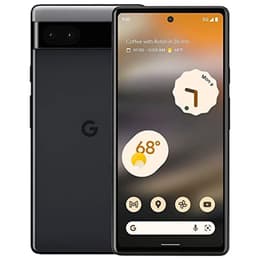
Google Pixel 6A
Google Pixel 6A
Starting at

Refurbished price:£107.00

Versus £459.00 new

See options
iPhone 12
iPhone 12
Starting at

Refurbished price:£141.00

Versus £649.00 new

See options

Ratings

The Google Pixel 6a, released in 2022, and the iPhone 12, launched in 2020, represent two distinct philosophies in the smartphone market. While the Pixel 6a serves as a streamlined entry point into the Android ecosystem with a focus on intelligent software, the iPhone 12 remains a foundational model for the iOS experience, prioritising hardware integration and long-term reliability. Despite the two-year gap between their release dates, both devices continue to be relevant for users who prefer a more manageable, compact handset over the larger flagship models common today.

The primary differences between these two smartphones lie in their operating systems and the specific features they prioritise. The Pixel 6a focuses on Google's helpful software tools and photography processing, whereas the iPhone 12 offers a consistent, high-performance experience with a focus on video quality and ecosystem connectivity. This comparison explores how these differences impact daily usage for different types of users, from students to busy professionals.

Scores

Durability

When evaluating how long these devices will remain functional and secure, both the release date and the manufacturer's software policy play a significant role in determining their practical lifespan.

  • Software support and updates: The Pixel 6a was released in 2022 and is scheduled to receive security updates until at least 2027, ensuring it remains protected against modern digital threats for several years. The iPhone 12, despite being older, benefits from the manufacturer's history of providing long-term operating system updates, typically lasting six to seven years from the initial launch. This means both devices are likely to reach the end of their official software support at a similar time, around 2026 or 2027.
  • Physical durability and repair: The iPhone 12 features a ceramic-hardened front glass and an aluminium frame, designed to withstand minor drops and scratches. The Pixel 6a uses a durable plastic back and a metal frame, which is less prone to shattering than glass but may show surface wear more easily. Both devices have established repair networks, making it relatively straightforward to replace common components like batteries or screens through professional services, which helps extend their useful life.

Year of Release

2022

2020

Compatible with latest Update

Yes

Yes

OS

Android

iOS

Foldable

No

No

Performance

Performance in these handsets is defined by how smoothly they handle everyday tasks such as browsing the web, switching between social media apps, and managing work emails.

  • System responsiveness and multitasking: The iPhone 12 utilises efficient internal hardware that ensures the interface remains fluid even when multiple applications are open simultaneously. Users will find that apps launch quickly and animations stay consistent. The Pixel 6a uses a custom-designed processor that prioritises tasks like instant voice-to-text and real-time translation, providing a responsive experience that feels tailored to personal assistance and productivity.
  • Battery behaviour and storage: In typical daily use, the Pixel 6a features a larger battery capacity that is designed to last through a full day of mixed activity, including navigation and media streaming. The iPhone 12 has a smaller physical battery but benefits from highly optimised software that manages power consumption effectively. Both devices offer various storage capacities, though neither allows for expandable storage, meaning users should choose the capacity that best fits their photo and app library needs from the start.

Memory (GB)

6 GB

4 GB

Screen quality

The display is the primary way users interact with their device, and both models utilise advanced screen technology to provide a clear and vibrant viewing experience.

  • Display technology and clarity: Both smartphones feature OLED technology, which allows for deep black levels and high contrast, making text easier to read and videos more immersive. The iPhone 12 offers a slightly higher pixel density, resulting in very sharp details when viewing high-resolution images. The Pixel 6a provides a similarly clear display that is well-suited for outdoor viewing, with enough brightness to remain legible even in direct sunlight.
  • Refresh rate and smoothness: Both screens operate at a standard 60Hz refresh rate. While this does not offer the ultra-smooth scrolling found on more expensive modern displays, it provides a consistent and reliable experience that is gentle on battery life. For the average user, the motion on both screens will appear fluid enough for standard navigation, social media scrolling, and watching high-definition video content without noticeable lag or stuttering.

Resolution

1080 x 2400

1170 x 2532

Screen type

OLED

Super Retina XDR OLED

Audiovisual

Photography and video capabilities are often the deciding factor for many users, with each device offering a unique approach to capturing memories.

  • Still photography and processing: The Pixel 6a is widely recognised for its still image quality, particularly in how it handles skin tones and complex lighting through software processing. It excels at capturing detailed photos in low-light environments without the need for a flash. The iPhone 12 produces images with natural colours and excellent dynamic range, ensuring that details in both the brightest and darkest parts of a photo are preserved, which is ideal for landscape and travel photography.
  • Video recording and audio: For users who record a lot of video, the iPhone 12 provides a stable and consistent experience with smooth transitions between different lighting conditions. It also features high-quality microphones that capture clear audio for videos and voice calls. The Pixel 6a offers reliable video recording with effective electronic stabilisation, which helps reduce shakiness when filming while walking, making it a practical choice for casual video creators and social media enthusiasts.

Main camera

12.2 megapixels

12 megapixels

Front camera

8 megapixels

12 megapixels

Miscellaneous

Beyond the core specifications, several practical features influence how these phones feel and function in a user's hand during daily routines.

  • Biometrics and connectivity: The iPhone 12 uses facial recognition technology for secure unlocking, which is convenient for hands-free access but can be slower when wearing certain accessories. The Pixel 6a features an under-display fingerprint sensor, allowing users to unlock the device with a simple touch on the screen. Both phones support 5G connectivity, ensuring they are compatible with the latest high-speed mobile networks for faster downloads and smoother streaming on the go.
  • Build and handling: The iPhone 12 is notably lighter and thinner, which may appeal to users who prefer a device that is easy to use with one hand. It also features a magnetic mounting system on the back for easy attachment of wireless chargers and accessories. The Pixel 6a is slightly heavier and thicker, giving it a substantial feel in the hand, and it uses a standard USB-C port for charging, which is compatible with a wide range of modern electronics and laptop chargers.

Weight

250 g

164 g

Screen size (in)

6.1

6.1

Mobile network

5G

5G

SIM card

Physical SIM + eSIM

Physical SIM + eSIM

Carrier compatibility

Unlocked

Unlocked

Connector

USB-C

Lightning

Choosing between the Google Pixel 6a and the iPhone 12 often comes down to a preference for a specific software ecosystem and the age of the hardware. User consensus on community forums suggests that the Pixel 6a is highly praised for its straightforward camera performance and the helpfulness of Google's integrated AI tools. However, some users have noted that the fingerprint sensor can occasionally require a second press. On the other hand, iPhone 12 users frequently highlight the device's consistent performance and the seamless way it works with other Apple products, though some mention that the battery may require more frequent charging after a few years of heavy use.

Users who prioritise a newer release date and a focus on still photography may find the Pixel 6a better suited to their needs. Conversely, those who value video quality and a lightweight design that integrates into an existing iOS environment will likely lean toward the iPhone 12. Opting for a quality-assured refurbished option allows users to access these features while supporting a more circular economy. Ultimately, both devices represent a sustainable choice for those looking to extend the life of existing technology while enjoying a modern smartphone experience. Whether you prefer the intelligent software of the Pixel or the refined hardware of the iPhone, both models offer a practical and reliable solution for everyday mobile needs.
See all articles

Our recent comparisons