
iPhone 14 Plus Vs iPhone 17

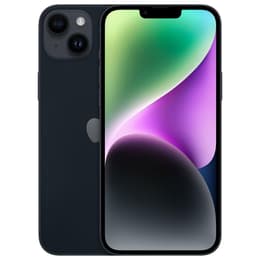
iPhone 14 Plus
iPhone 14 Plus
Starting at

Refurbished price:£238.00

Versus £699.00 new

See options
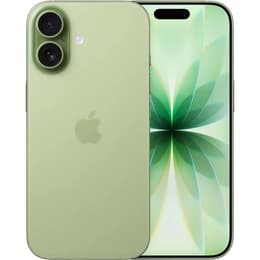
iPhone 17
iPhone 17
Starting at

Refurbished price:£689.00

Versus £799.00 new

See options

Ratings

The iPhone 14 Plus, released in October 2022, and the iPhone 17, introduced in September 2025, represent different generations within Apple's smartphone lineup. While both devices operate on Apple's iOS platform, the iPhone 17 brings forward significant advancements in processing power, display technology, and camera capabilities, reflecting the typical generational improvements over a three-year span.

The iPhone 14 Plus offers a larger screen experience, whereas the iPhone 17 focuses on delivering the latest technological enhancements in a slightly more compact form factor for its standard model. Both devices run on the latest available iOS versions, ensuring access to current features and security updates.

Scores

Durability

The longevity of a smartphone is influenced by its release timeline, software support, and physical durability. The iPhone 14 Plus and iPhone 17 offer different expectations in these areas due to their respective launch dates.

  • Release Timeline and Age: The iPhone 14 Plus was released in October 2022, making it an established device. The iPhone 17, launched in September 2025, benefits from being a more recent model, offering a newer starting point for its lifecycle. [1, 4, 6, 9, 10]
  • OS Support Duration: As a newer device, the iPhone 17 is expected to receive software updates and security patches for a longer period than the iPhone 14 Plus, extending its functional lifespan. The iPhone 14 Plus launched with iOS 16, while the iPhone 17 launched with iOS 26, providing a significant difference in future software support. [1, 13, 25]
  • Physical Durability: Both models feature robust construction. The iPhone 14 Plus incorporates a Ceramic Shield front cover and an IP68 rating for water and dust resistance. The iPhone 17 builds on this with Ceramic Shield 2, which offers enhanced scratch resistance, alongside the same IP68 rating for water and dust protection. [1, 2, 7, 12, 16, 17, 23, 24]

Year of Release

2022

2025

Compatible with latest Update

Yes

Yes

OS

iOS

iOS

Foldable

No

No

Performance

Performance is a key differentiator between these two generations, with the newer iPhone 17 featuring a more advanced internal architecture compared to the iPhone 14 Plus.

  • Processor Capabilities: The iPhone 14 Plus is powered by a capable processor that handles everyday applications and multitasking smoothly. The iPhone 17 features a significantly newer and more efficient processor, designed for faster app performance, smoother multitasking, and improved energy efficiency, particularly noticeable with demanding applications, advanced gaming, and on-device artificial intelligence tasks. [1, 3, 4, 5, 13, 14, 24]
  • System Responsiveness: Users will experience a highly responsive interface on both devices. However, the iPhone 17's newer processor and optimized software contribute to quicker app loading times and more fluid transitions, especially when managing multiple complex tasks simultaneously. [1, 3, 14]
  • Battery Behavior: The iPhone 14 Plus offers a large battery capacity, providing extended usage for most users. The iPhone 17, while having a slightly smaller battery capacity in its standard model, benefits from a more power-efficient processor and software optimizations, which contribute to improved battery life for tasks like video playback. [3, 13, 15, 32]

Memory (GB)

6 GB

8 GB

Screen quality

The display experience varies between the two models, with the iPhone 17 introducing several enhancements over the iPhone 14 Plus.

  • Display Technology and Size: The iPhone 14 Plus features a 6.7-inch Super Retina XDR OLED display, offering vibrant colors and deep blacks. The iPhone 17 features a 6.3-inch Super Retina XDR OLED display, which is slightly smaller than the 14 Plus, but incorporates newer display advancements. [1, 2, 4, 7, 17, 24]
  • Refresh Rate and Smoothness: The iPhone 14 Plus has a standard 60Hz refresh rate, providing a consistent viewing experience. The iPhone 17 introduces ProMotion technology, offering an adaptive refresh rate up to 120Hz, which results in noticeably smoother scrolling, more fluid animations, and a more responsive feel during interactions and gaming. [1, 17, 24]
  • Brightness and Clarity: Both displays offer excellent clarity and color accuracy. The iPhone 14 Plus provides up to 800 nits typical brightness and 1200 nits peak HDR brightness. The iPhone 17 significantly increases peak outdoor brightness to 3000 nits, making it easier to view content clearly in bright sunlight, and also features an anti-reflective coating. [1, 2, 4, 7, 17, 24]

Resolution

1284 x 2778

2622x1206

Screen type

Super Retina XDR OLED

Super Retina XDR

Audiovisual

Both devices offer capable camera systems, but the iPhone 17 brings substantial upgrades in sensor technology and computational photography.

  • Rear Camera System: The iPhone 14 Plus features a dual 12-megapixel camera system, including a main wide lens and an ultra-wide lens, capable of capturing detailed photos and 4K video. The iPhone 17 steps up with a 48-megapixel Dual Fusion camera system, featuring a 48-megapixel Fusion Main lens and a 48-megapixel Fusion Ultra Wide lens, allowing for higher resolution photos and improved detail. [1, 2, 8, 22, 23, 24, 34]
  • Photography Performance: The iPhone 14 Plus utilizes features like Photonic Engine and Deep Fusion for enhanced image processing, particularly in challenging lighting. The iPhone 17 further refines low-light performance and image processing with its newer sensor and computational photography advancements, including the ability to capture super-high-resolution photos at 24MP and 48MP. [1, 2, 8, 22, 24, 34]
  • Front Camera and Video: The iPhone 14 Plus includes a 12-megapixel TrueDepth front camera with autofocus and 4K video recording. The iPhone 17 upgrades to an 18-megapixel Center Stage front camera, which offers improved clarity for selfies and video calls, and new features like landscape selfies without rotating the phone. Both support advanced video recording features like Cinematic Mode and Action Mode, with the iPhone 17 offering further refinements. [1, 2, 17, 22, 24, 28, 34]

Main camera

12 megapixels

48 megapixels

Front camera

12 megapixels

18 megapixels

Miscellaneous

Beyond core features, several practical elements differentiate the iPhone 14 Plus and iPhone 17, impacting daily usability and connectivity.

  • Connectivity Options: The iPhone 14 Plus supports 5G, Wi-Fi 6, and Bluetooth 5.3. The iPhone 17 features more advanced connectivity, including Wi-Fi 7 and Bluetooth 6, enabled by Apple's custom N1 networking chip, offering faster wireless speeds and improved multi-device connections. Both devices include an Ultra Wideband chip for spatial awareness. [1, 2, 7, 14, 25, 27, 30, 31]
  • Port Types and Sensors: The iPhone 14 Plus uses the Lightning port for charging and data transfer. The iPhone 17 transitions to a USB-C port, aligning with modern standards and offering broader compatibility. Both devices rely on Face ID for secure authentication. [1, 2, 7, 24]
  • Dimensions and Handling: The iPhone 14 Plus measures 160.8 x 78.1 x 7.8 mm and weighs 203 grams, providing a substantial feel. The standard iPhone 17 is slightly more compact and lighter, with dimensions of 149.6 x 71.5 x 7.95 mm, which may offer a different handling experience for users. [2, 7, 16, 24]

Weight

203 g

177 g

Screen size (in)

6.7

6.3

Mobile network

5G

5G

SIM card

Physical SIM + eSIM

Physical SIM + eSIM

Carrier compatibility

Unlocked

Unlocked

Connector

Lightning

USB-C

The iPhone 14 Plus and iPhone 17 cater to different user needs, primarily distinguished by their release dates and the technological advancements introduced in the newer model.

The iPhone 14 Plus is often praised for its large, vibrant display and robust battery life, making it a solid choice for users who prioritize screen real estate for media consumption and extended usage without frequent charging. Its camera system, while not the absolute latest, still delivers high-quality photos and videos for everyday moments. Users appreciate its established performance and reliable software experience. Some common feedback for the 14 Plus might center on its 60Hz display, which, while perfectly functional, doesn't offer the same fluidity as higher refresh rate screens. [2, 16]

The iPhone 17, as a more recent release, garners attention for its significant upgrades. Users frequently highlight its smoother 120Hz ProMotion display, the enhanced clarity and detail from its 48-megapixel camera system, and the noticeable speed improvements from its newer processor. The transition to USB-C and the inclusion of Wi-Fi 7 also contribute to a more modern and future-proof connectivity experience. The 18-megapixel Center Stage front camera is also a notable improvement for video calls and selfies. [1, 17, 23, 24]

Users prioritizing the latest technology, including a smoother display, advanced camera capabilities, and faster performance for demanding tasks, will find the iPhone 17 well-suited to their needs. Its longer software support timeline also appeals to those seeking maximum device longevity. Conversely, users who value a larger screen and a dependable, proven performance for general use, and who may not require the absolute newest features, might lean towards the iPhone 14 Plus. Both devices offer a quality-assured refurbished option, providing an eco-friendly alternative for consumers.


See all articles

Our recent comparisons