Galaxy A14 Vs iPhone 15

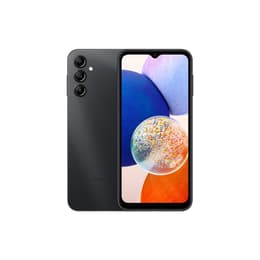
Galaxy A14
Galaxy A14
Starting at

Refurbished price:£81.00

Versus £269.00 new

See options
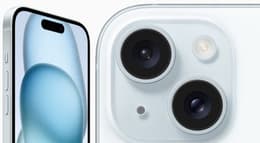
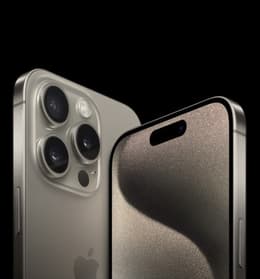
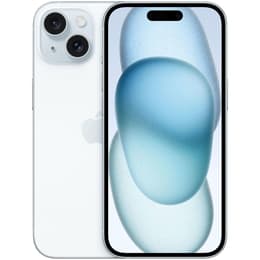
iPhone 15
iPhone 15
Starting at

Refurbished price:£326.00

Versus £699.00 new

See options

Ratings

The Samsung Galaxy A14 and the Apple iPhone 15, both released in 2023, represent two distinct approaches to the modern smartphone experience. While the Galaxy A14 serves as a functional entry point into the Android ecosystem, the iPhone 15 sits as a flagship model within Apple’s iOS lineup. These devices differ significantly in their internal capabilities, build materials, and long-term software support, catering to diverse user needs and preferences. Choosing between them involves weighing the importance of high-end features against straightforward, everyday utility.

Scores

Durability

The Galaxy A14 and iPhone 15 offer contrasting outlooks regarding their long-term use and software longevity.

  • Software Support: The iPhone 15 is expected to receive iOS updates for many years, typically providing a six to seven-year window of security and feature updates. In contrast, the Galaxy A14 follows a more limited schedule, generally offering two major operating system upgrades and four years of security patches.
  • Build and Repair: The iPhone 15 features a glass and aluminium construction with a focus on internal modularity for easier repairs compared to previous generations. The Galaxy A14 utilizes a sturdy plastic frame and back, which handles drops well without shattering, though it lacks the official water and dust resistance ratings found on the iPhone.
  • Practical Lifespan: Users looking for a device to last over half a decade will find the iPhone 15 more aligned with that goal, whereas the Galaxy A14 is better suited for those who plan to update their hardware more frequently.

Year of Release

2023

2023

Compatible with latest Update

No

Yes

OS

Android

iOS

Foldable

No

No

Performance

Performance levels vary between these two smartphones, impacting how they handle everything from basic messaging to intensive mobile gaming.

  • System Responsiveness: The iPhone 15 utilizes a high-performance processor that ensures instantaneous app launches and fluid navigation through the interface. The Galaxy A14 is designed for more modest tasks, handling web browsing and social media reliably, though users may notice slight pauses when switching between several demanding applications.
  • Multitasking and Memory: With its optimized memory management, the iPhone 15 maintains smooth performance even when multiple background processes are active. The Galaxy A14 provides sufficient memory for standard daily use, but heavy multitaskers might find the system slows down when the limits of its hardware are reached.
  • Battery Endurance: The Galaxy A14 houses a large battery that comfortably lasts through a full day of heavy use, often stretching into a second day for light users. The iPhone 15, while having a smaller physical battery capacity, benefits from high efficiency, typically requiring a nightly charge for most active users.

Memory (GB)

4 GB

6 GB

Screen quality

The viewing experience on these devices is shaped by different display technologies and design choices that affect clarity and brightness.

  • Display Technology: The iPhone 15 features an OLED screen, which provides deep blacks, high contrast, and vibrant colours that make media consumption highly immersive. The Galaxy A14 uses an LCD panel, which offers natural colour reproduction and good clarity but lacks the intense contrast and peak brightness levels of its counterpart.
  • Outdoor Visibility: When used in direct sunlight, the iPhone 15 can reach high brightness levels, making the screen easy to read. The Galaxy A14 is perfectly legible in indoor or shaded environments, though users may find themselves seeking shade to view the screen clearly on bright days.
  • Smoothness and Size: The Galaxy A14 offers a larger 6.6-inch screen with a faster refresh rate on some regional models, providing smoother scrolling through lists. The iPhone 15 has a more compact 6.1-inch display that is easier to navigate with one hand while maintaining a high pixel density for crisp text.

Resolution

1080 x 2408

1179 x 2556

Screen type

PLS LCD

Super Retina XDR OLED

Audiovisual

Photography and media playback are areas where these two devices show significant divergence in capability and output quality.

  • Camera Versatility: The iPhone 15 features a sophisticated dual-camera system with a high-resolution main sensor that captures intricate detail and an ultra-wide lens for expansive landscapes. The Galaxy A14 includes a triple-camera setup, adding a dedicated macro lens for close-up photography, though the overall image processing is less advanced than the iPhone's approach.
  • Low-Light Performance: In dim environments, the iPhone 15 excels at pulling detail out of the shadows and reducing graininess in photos. The Galaxy A14 can produce clear images in well-lit conditions, but its performance in low light results in softer images with less dynamic range.
  • Video and Audio: Video recording on the iPhone 15 is notably stable and detailed, making it a preferred choice for content creators. The Galaxy A14 provides standard high-definition video suitable for casual clips, and it uniquely includes a traditional headphone jack, which many users still find essential for wired audio.

Main camera

50 megapixels

48 megapixels

Front camera

13 megapixels

12 megapixels

Miscellaneous

Beyond the core specifications, several practical features define the daily handling and connectivity of these two smartphones.

  • Connectivity and Ports: Both devices have transitioned to the universal USB-C port for charging and data transfer, simplifying cable management. The iPhone 15 supports faster 5G standards and modern Wi-Fi protocols, while the Galaxy A14 includes a microSD card slot, allowing users to easily expand their storage capacity for photos and files.
  • Biometrics and Security: The iPhone 15 uses facial recognition technology for secure unlocking and payments, which is integrated into the Dynamic Island at the top of the screen. The Galaxy A14 employs a reliable fingerprint sensor built into the power button on the side, offering a tactile and quick way to access the device.
  • Dimensions and Weight: The iPhone 15 is lighter and more compact, fitting easily into smaller pockets and being comfortable for long periods of one-handed use. The Galaxy A14 is larger and heavier, which provides a more substantial feel and more screen real estate for watching videos or reading long articles.

Weight

201 g

171 g

Screen size (in)

6.6

6.1

Mobile network

4G

5G

SIM card

Dual Physical SIM

Physical SIM + eSIM

Carrier compatibility

Unlocked

Unlocked

The Samsung Galaxy A14 and the iPhone 15 cater to distinct segments of the smartphone market, and user feedback reflects this difference. On community forums like Reddit, the Galaxy A14 is frequently praised for its long-lasting battery life and the inclusion of a headphone jack and expandable storage, which are becoming rare in modern phones. However, some users note that it can feel sluggish during intensive tasks. The iPhone 15 receives high marks for its display quality, camera consistency, and the seamless integration of the Dynamic Island, though some long-time users miss the physical simplicity of older designs.

Users who prioritize a large screen, long-lasting battery, and the flexibility of expandable storage will find the Galaxy A14 to be a practical choice for their daily needs. Conversely, those who require high-end camera performance, a more compact form factor, and a device that will receive software updates for many years may lean toward the iPhone 15. For those looking to make a more sustainable choice, the iPhone 15 is available as a quality-assured refurbished option, providing a way to access flagship features while reducing environmental impact. Ultimately, both devices serve their intended audiences well, whether you are looking for a straightforward tool for communication or a powerful multimedia device. Choosing a quality-assured refurbished option for either model is an eco-friendly alternative that supports a more circular electronics economy.


See all articles

Our recent comparisons