
Google Pixel 8 Vs iPhone SE (2020)

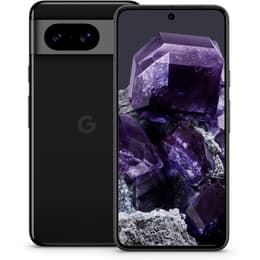
Google Pixel 8
Google Pixel 8
Starting at

Refurbished price:£185.99

Versus £699.99 new

See options
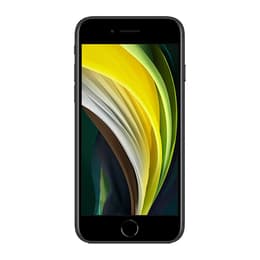
iPhone SE (2020)
iPhone SE (2020)
Starting at

Refurbished price:£67.00

Versus £289.00 new

See options

Ratings

The Google Pixel 8 (2023) and the iPhone SE (2020) represent two very different eras and philosophies in the smartphone market. While the Pixel 8 is a modern flagship designed to showcase the latest software advancements and hardware capabilities, the iPhone SE (2020) was built to provide a familiar, classic experience in a compact form factor. These devices cater to distinct user groups, with the Pixel 8 focusing on a high-end display and advanced photography, whereas the iPhone SE prioritises simplicity and a smaller physical footprint for those who prefer traditional navigation methods.

Operating on different ecosystems, the Pixel 8 runs the latest version of Android with a focus on helpful features, while the iPhone SE (2020) provides the streamlined iOS experience. This comparison explores how these two devices handle daily tasks, how long they are expected to last, and which one better suits specific lifestyle requirements in a modern context.

Scores

Durability

The significant gap in release dates between these two smartphones creates a notable difference in their expected software longevity and physical durability.

  • Software Support: The Pixel 8 is designed for the long term, with a commitment to seven years of operating system and security updates, ensuring it remains current until 2030. The iPhone SE (2020), having launched several years earlier, is closer to the end of its official support cycle, though it continues to receive the latest iOS updates for now.
  • Repairability and Build: Both phones feature glass and metal constructions, but the Pixel 8 uses more modern, scratch-resistant glass on both the front and back. The iPhone SE (2020) is well-regarded for its accessible internal layout, making common repairs like battery swaps relatively straightforward for technicians.
  • Practical Lifespan: Users seeking a device that will stay relevant for the rest of the decade will find the Pixel 8 more suitable, while the iPhone SE (2020) serves as a reliable short-to-medium-term option for those who prefer a classic interface.

Year of Release

2023

2020

Compatible with latest Update

Yes

Yes

OS

Android

iOS

Foldable

No

No

Performance

Daily performance varies between these devices due to the generational gap in their internal hardware and how they manage demanding applications.

  • System Responsiveness: The Pixel 8 handles intensive multitasking and high-resolution video editing with ease, providing a fluid experience when switching between multiple heavy apps. The iPhone SE (2020) remains surprisingly snappy for everyday tasks like messaging and web browsing, though it may show signs of slowing down when running the most modern, resource-heavy mobile games.
  • Battery Behaviour: With its larger physical size, the Pixel 8 houses a battery designed to last through a full day of heavy usage, including video streaming and navigation. The iPhone SE (2020) has a much smaller battery capacity, which typically requires a mid-day charge for users who are frequently on their phones.
  • Memory and Storage: The Pixel 8 offers higher levels of internal memory to keep background apps ready, whereas the iPhone SE (2020) provides sufficient performance for users with lighter digital habits who do not require extensive multitasking capabilities.

Memory (GB)

8 GB

3 GB

Screen quality

The viewing experience is perhaps the most immediate difference between these two models, affecting everything from reading text to watching media.

  • Display Technology: The Pixel 8 features a vibrant OLED screen that produces deep blacks and high contrast, making it ideal for watching films or viewing photos. The iPhone SE (2020) uses a traditional LCD panel, which offers natural colours but lacks the intense brightness and deep contrast found on the newer OLED technology.
  • Smoothness and Motion: With a high refresh rate, the Pixel 8 provides smooth scrolling and animations that feel responsive to the touch. The iPhone SE (2020) operates at a standard refresh rate, which is functional for daily use but lacks the fluid visual feedback of its modern counterpart.
  • Outdoor Visibility: The Pixel 8 is designed to remain clear and legible even under direct sunlight thanks to its high peak brightness. The iPhone SE (2020) may require shading or maximum brightness settings to be easily readable in bright outdoor environments.

Resolution

1080 x 2400

750 x 1334

Screen type

OLED

Retina IPS LCD

Audiovisual

Photography and media playback capabilities highlight the evolution of mobile technology between 2020 and 2023.

  • Camera Versatility: The Pixel 8 includes a dual-lens system with a dedicated ultrawide sensor, allowing users to capture expansive landscapes and group shots. The iPhone SE (2020) relies on a single rear camera which, while capable of high-quality daylight photos, lacks the flexibility for wide-angle or advanced zoom photography.
  • Low-Light Performance: Night-time photography is a significant strength for the Pixel 8, which uses advanced processing to brighten dark scenes and reduce grain. The iPhone SE (2020) lacks a dedicated night mode, resulting in darker and less detailed images when lighting is less than ideal.
  • Video and Audio: Both devices offer stable video recording, but the Pixel 8 provides more advanced stabilisation features for smoother footage while moving. For audio, the Pixel 8 delivers a fuller, more immersive sound profile through its speakers, whereas the iPhone SE (2020) provides clear audio that is well-suited for podcasts and voice calls.

Main camera

50 megapixels

12 megapixels

Front camera

10.5 megapixels

7 megapixels

Miscellaneous

Practical design choices and connectivity standards define how these phones fit into a user's daily routine and physical space.

  • Physical Dimensions: The iPhone SE (2020) is significantly smaller and lighter, making it one of the few smartphones that is truly easy to use with one hand. The Pixel 8 is larger but remains relatively compact compared to other modern flagships, offering a balance between screen size and portability.
  • Biometrics and Ports: The Pixel 8 uses a modern under-display fingerprint sensor and face recognition for security, alongside a universal USB-C port for charging. The iPhone SE (2020) retains the classic home button with a physical fingerprint sensor and uses a Lightning port for data transfer and charging.
  • Connectivity: The Pixel 8 supports the latest 5G networks for faster mobile data speeds in supported areas. The iPhone SE (2020) is limited to 4G LTE, which is still widely available and reliable but slower than the newer 5G standard for downloading large files.

Weight

187 g

148 g

Screen size (in)

6.2

4.7

Mobile network

5G

4G

SIM card

Physical SIM + eSIM

Physical SIM + eSIM

Carrier compatibility

Unlocked

Unlocked

Choosing between the Google Pixel 8 and the iPhone SE (2020) involves weighing modern technological advancements against classic simplicity and compact design. Based on common user feedback from online forums, the Pixel 8 is frequently praised for its exceptional camera software and the peace of mind provided by its seven-year update cycle. Users appreciate the vibrant display and the modern feel of the device. Conversely, the iPhone SE (2020) is often lauded by those who miss the physical home button and prefer a phone that fits easily into any pocket without being cumbersome. Some users have noted that the iPhone SE's battery life can be a limitation for those who use their phones constantly throughout the day, while the Pixel 8 is occasionally cited as being a larger adjustment for those coming from very small devices.

Users who prioritise a high-quality display, advanced photography, and long-term software relevance will find the Pixel 8 aligns well with their needs. Those who prefer a smaller, more traditional device for basic communication, social media, and light app usage may lean toward the iPhone SE (2020). For those looking to make a sustainable choice, both devices are available as a quality-assured refurbished option, providing an eco-friendly alternative to buying new. Ultimately, the decision rests on whether you value the latest features and a larger screen or the familiarity and portability of a classic, compact design. Both smartphones remain capable tools for staying connected, depending on your personal priorities and how you interact with your technology daily.


See all articles

Our recent comparisons