
Compare models
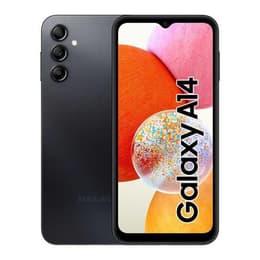
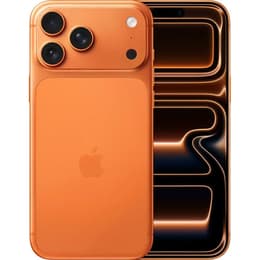
Galaxy A14 5G Vs iPhone 17 Pro Max
- 1-year minimum warranty
- Free delivery on all items
- Free 30-day returns
Differences at a glance
The Samsung Galaxy A14 5G (2023) and the Apple iPhone 17 Pro Max (2025) occupy entirely different segments of the smartphone market, catering to vastly different user expectations. While the Galaxy A14 5G focuses on providing core connectivity and essential daily features, the iPhone 17 Pro Max represents a modern flagship built for high-demand processing and advanced multimedia creation. Running on distinct operating systems, these devices differ sharply in build materials, performance capacity, and feature sets.
Available Models
Colour
Storage
Scores
Durability
When evaluating hardware longevity and software support, both devices handle updates differently based on their respective launch timelines and tier categories.
- Software Support: The iPhone 17 Pro Max benefits from Apple's extended multi-year iOS update cycle, whereas the Galaxy A14 5G features a more limited Android version upgrade path.
- Build Durability: The iPhone employs reinforced glass and metal materials designed to resist drops, while the Galaxy A14 5G relies on a polycarbonate plastic back and frame construction.
- Expected Lifespan: Users can anticipate prolonged system viability from the flagship processor of the iPhone, whereas the entry-level specifications of the Samsung model suit standard short-to-medium-term utility.
Year of Release
2023
2025
Compatible with latest Update
Yes
Yes
OS
Android
iOS
Foldable
No
No
Performance
Daily operation and multitasking capabilities vary significantly due to the generation gap and hardware tiers between the two smartphones.
- Multitasking and Speed: The iPhone 17 Pro Max handles demanding 3D games and heavy creative workloads smoothly, while the Galaxy A14 5G manages routine messaging, web browsing, and casual apps adequately.
- Storage Configurations: Apple offers expansive onboard storage tiers starting at higher capacities, whereas Samsung includes expandable storage via a microSD card slot on select regional variants.
- Battery Efficiency: Both devices manage daily energy use effectively, though their typical endurance profiles reflect different processor demands and battery capacities.
Screen quality
Visual output and display responsiveness differ notably in technology, peak brightness, and overall viewing immersion.
- Display Technology: The iPhone 17 Pro Max utilizes an advanced OLED panel with deep contrast and high peak outdoor brightness, while the Galaxy A14 5G uses a standard PLS LCD screen.
- Refresh Rates: Both devices support fluid scrolling, with the iPhone featuring adaptive high refresh rate technology and the Samsung offering a fixed 90Hz refresh rate mode.
- Screen Size: The iPhone provides a larger viewing canvas with slim bezels, compared to the thicker borders surrounding the Samsung panel.
Resolution
1080 x 2408
2868x1320
Screen type
PLS LCD
Super Retina XDR
Audiovisual
Media capture capabilities and audio-visual playback hardware reflect the specialized focus of each product category.
- Camera Versatility: The iPhone 17 Pro Max features a multi-lens high-resolution camera array capable of detailed low-light photography and professional-grade video recording, whereas the Galaxy A14 5G provides a simpler multi-lens setup suited for casual snapshots.
- Audio Output: Stereo speaker setups on both devices deliver clear sound for media consumption, though the flagship model offers wider spatial audio separation.
- Video and Call Quality: High-definition front-facing sensors on both units support clear video calls and virtual meetings.
Main camera
50 megapixels
48 megapixels
Front camera
13 megapixels
18 megapixels
Miscellaneous
Physical design factors and connectivity standards shape how each device fits into everyday routines.
- Connectivity: Both models support 5G network speeds, with the iPhone incorporating newer Wi-Fi and Bluetooth standards for rapid peripheral pairing.
- Physical Ports: The iPhone utilizes a universal USB-C connection for charging and data transfer, matching the modern port standard also found on the Galaxy A14 5G.
- Security and Handling: The Samsung model features a side-mounted fingerprint reader, while the Apple device relies on facial recognition technology.
Weight
201 g
233 g
Screen size (in)
6.6
6.9
Mobile network
5G
5G
SIM card
Dual Physical SIM
Physical SIM + eSIM
Carrier compatibility
Unlocked
Unlocked
Connector
USB-C + Jack 3.5mm
USB-C
What the community thinks
User feedback from online forums highlights distinct preferences for each smartphone. Owners of the Galaxy A14 5G frequently praise its straightforward interface, reliable battery duration, and inclusion of expandable storage. Conversely, iPhone 17 Pro Max users regularly emphasize the exceptional display clarity, swift processing speeds, and robust camera performance. Common criticisms for the entry-level Samsung model involve slower loading times during heavy tasks, while the Apple flagship draws occasional notes regarding its substantial physical weight and larger footprint.
Users prioritizing essential communication, straightforward everyday tools, and expandable storage may prefer the Samsung Galaxy A14 5G. Meanwhile, users prioritizing high-end mobile gaming, advanced photography, and extended software support will lean toward the iPhone 17 Pro Max. For shoppers exploring sustainable choices, a quality-assured refurbished option provides an eco-friendly alternative to purchasing newly manufactured hardware.