iPhones
Compare models
Differences at a glance
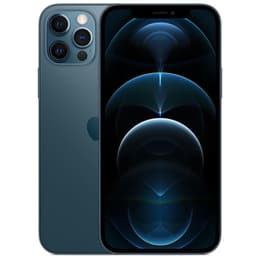
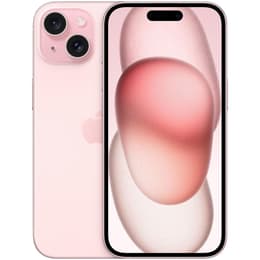
The iPhone 12 Pro, released in late 2020, and the iPhone 15, launched in 2023, represent two distinct generations of smartphone technology. While the 12 Pro was originally positioned as a premium flagship with specialised photography tools, the iPhone 15 introduces modern standard features that often exceed the capabilities of older professional models. Both devices operate on the same iOS ecosystem, providing a consistent user interface and access to the same applications. The choice between them typically involves weighing the benefits of an older triple-lens camera system against the advancements in display brightness and connectivity found in the newer model.
Colour
Storage
Longevity and software support are primary considerations when comparing these two generations, as the three-year gap significantly impacts their future utility. Choosing a quality-assured refurbished option can be an effective way to extend the functional life of these devices while supporting a more circular economy.
Year of Release
Compatible with latest Update
OS
Foldable
Daily responsiveness and the ability to handle demanding tasks vary between these devices due to the evolution of their internal hardware. While both remain capable for standard activities, the newer model is better equipped for the increasing requirements of modern software and intensive multitasking.
The display technology in these smartphones has evolved to provide better visibility and a more interactive user experience. Both use OLED panels to deliver deep blacks and vibrant colours, but the iPhone 15 introduces several functional enhancements that improve daily use.
Resolution
Screen type
Photography and video capabilities are central to both devices, though they achieve their results through different hardware configurations. The older Pro model focuses on optical versatility, while the newer standard model relies on high-resolution sensor technology.
Main camera
Front camera
Practical elements such as connectivity and physical handling play a significant role in the user experience. The transition between these models marked a major shift in industry standards for charging and data transfer.
Weight
Screen size (in)
Mobile network
SIM card
Carrier compatibility
Connector
Feedback from user communities and technology forums highlights the practical trade-offs between these two smartphones. Many users who continue to use the iPhone 12 Pro appreciate its substantial, premium feel and the specific utility of the telephoto lens for portrait shots. However, common observations regarding the older model often mention that its battery health may require more attention over time and that its screen can be difficult to see in very bright conditions. In contrast, users of the iPhone 15 frequently point to the convenience of the USB-C port and the high level of display clarity as significant daily benefits. While some note the absence of a dedicated zoom lens, the high-resolution main camera is generally seen as a capable alternative for most photography needs. Users who prioritise a heavy, premium build and require a dedicated optical zoom may find the iPhone 12 Pro aligns well with their preferences. Conversely, those who value long-term software support, modern charging standards, and a display that performs well in all lighting conditions will likely find the iPhone 15 more suitable. Opting for a sustainable choice through refurbishment allows users to access these features while reducing electronic waste and supporting environmental goals. Ultimately, the decision depends on whether the specialised tools of an older flagship or the modern refinements of a newer standard model better suit the user's daily requirements.