
Smartphones
Compare models
Differences at a glance
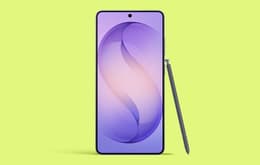
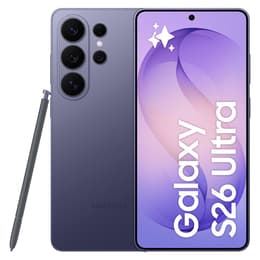
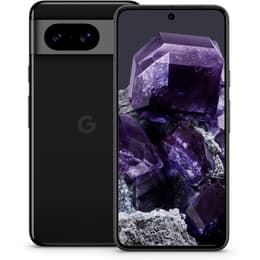
The Samsung Galaxy S26 Ultra (2026) and the Google Pixel 8 (2023) represent different generations and tiers within the smartphone market, catering to distinct user preferences in design and ecosystem. While the Galaxy S26 Ultra delivers a feature-rich, high-performance experience with an integrated stylus, the Google Pixel 8 offers a streamlined, compact software-focused approach. Both devices run on the Android operating system, though they differ significantly in their hardware approach, physical scale, and feature sets.
Colour
Storage (GB)
When examining longevity and structural lifespan, both smartphones provide robust long-term support though they originate from different release years.
Year of Release
Compatible with latest Update
OS
Foldable
Daily operation and multitasking capabilities vary based on internal hardware generational differences between the two devices.
Visual output and physical display dimensions differ notably between the expansive screen of the Samsung flagship and the compact panel of the Pixel.
Resolution
Photography and media recording hardware reflect the distinct design philosophies of each device line.
Front camera
Practical physical and connectivity attributes shape how each smartphone integrates into everyday routines.
Weight
Screen size (in)
Mobile network
SIM card
Carrier compatibility
User feedback from online communities highlights distinct preferences for each device. Owners of the Galaxy S26 Ultra frequently praise its expansive display, versatile zoom photography, and smooth multitasking performance, while noting its large physical footprint and weight. Conversely, Pixel 8 users appreciate its clean software interface, comfortable compact size, and reliable everyday camera output, though some report that the battery requires daily replenishment during intensive usage sessions.
Users prioritizing maximum screen estate, advanced zoom capabilities, and top-tier processing power may prefer the Galaxy S26 Ultra. Meanwhile, users seeking a lightweight, pocket-friendly device with straightforward software may lean toward the Pixel 8 as a quality-assured refurbished option that balances sustainability with everyday utility. Choosing between the two depends primarily on personal preferences regarding physical size, multitasking demands, and hardware complexity.