Galaxy A05 Vs Galaxy A13

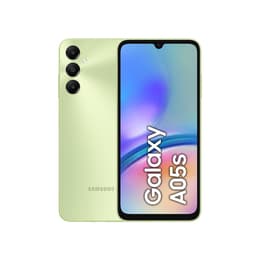
Galaxy A05
Galaxy A05
Starting at

Refurbished price:£89.00

Versus £144.96 new

See options
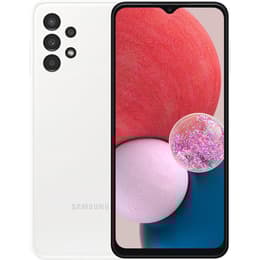
Galaxy A13
Galaxy A13
Starting at

Refurbished price:£73.00

Versus £249.00 new

See options

Ratings

The Samsung Galaxy A05, released in October 2023, and the Samsung Galaxy A13, launched in March 2022, are both smartphones designed for everyday use. While they share a similar brand identity and operate on the Android platform, the A05 introduces a slightly newer hardware generation, whereas the A13 offers a higher-resolution display and a more versatile camera system. Both devices aim to provide essential smartphone functionalities for users seeking reliable communication and basic digital tasks.

Scores

Durability

When considering the practical lifespan of these devices, several factors come into play, including their release timelines and software support.

  • Release Timeline: The Galaxy A05 is a more recent model, having been released in October 2023, making it approximately a year and a half newer than the Galaxy A13, which launched in March 2022. This difference in release date can influence the duration of future software support.
  • Software Longevity: Both the Galaxy A05 and Galaxy A13 are typically slated to receive two major Android operating system upgrades and four years of security updates from their respective release dates. This means the A05 will likely receive software support for a longer period into the future compared to the A13.
  • Build and Protection: Both smartphones feature a plastic back and frame. The Galaxy A13, however, includes Corning Gorilla Glass 5 for display protection, which is not specified for the Galaxy A05.

Year of Release

2023

2022

Compatible with latest Update

No

No

OS

Android

Android

Foldable

No

No

Performance

The performance of a smartphone impacts how smoothly applications run and how efficiently it handles daily tasks. Both the Galaxy A05 and A13 are equipped to manage common smartphone activities.

  • Everyday Responsiveness: The Galaxy A05, with its newer internal components, generally offers a responsive experience for common applications, web browsing, and social media. The Galaxy A13 also handles these tasks adequately, though some users have reported a noticeable slowdown in overall responsiveness over time with consistent use.
  • Multitasking and Storage: Both devices come with various RAM configurations, typically ranging from 3GB to 6GB, which influences how many applications can run simultaneously without significant slowdowns. Both models also offer expandable storage options via a microSD card, allowing users to increase their storage capacity beyond the internal 32GB, 64GB, or 128GB options.
  • Gaming and Demanding Apps: For light gaming and less demanding applications, both phones perform acceptably. However, for more graphically intensive games or heavy multitasking, neither device is designed to offer a consistently smooth experience, with the A05 potentially showing a slight edge due to its more recent processor architecture.

Memory (GB)

4 GB

4 GB

Screen quality

The display is a primary interface for smartphone interaction, and both the Galaxy A05 and A13 feature PLS LCD panels, but with distinct differences in clarity and size.

  • Display Technology and Clarity: Both phones utilize PLS LCD technology. The Galaxy A13 offers a Full HD+ resolution (1080 x 2408 pixels) on its 6.6-inch display, resulting in sharper images and text. In contrast, the Galaxy A05 features a slightly larger 6.7-inch display but with a lower HD+ resolution (720 x 1600 pixels), which may result in less crisp visuals.
  • Viewing Experience: The higher pixel density of the Galaxy A13 provides a more detailed viewing experience, which can be beneficial for reading small text or viewing high-resolution content. The larger screen of the A05 offers more screen real estate, which some users might prefer for media consumption, despite the lower resolution.
  • Refresh Rate: Both the Galaxy A05 and the Galaxy A13 typically feature a standard 60Hz refresh rate, meaning the screen updates 60 times per second. This provides a smooth enough experience for general navigation and video playback, though it does not offer the fluid scrolling found on devices with higher refresh rates.

Resolution

720 x 1600

1080 x 2408

Screen type

PLS LCD

PLS LCD

Audiovisual

The camera systems on the Galaxy A05 and A13 cater to basic photography needs, with some variations in lens configurations.

  • Rear Camera Setup: The Galaxy A05 features a dual-camera system on the rear, consisting of a 50-megapixel main sensor and a 2-megapixel depth sensor. The Galaxy A13, on the other hand, offers a more versatile quad-camera array, including a 50-megapixel main sensor, a 5-megapixel ultrawide lens, a 2-megapixel macro lens, and a 2-megapixel depth sensor.
  • Photography Performance: Both devices are capable of capturing clear photos in well-lit conditions with their main 50-megapixel sensors. The addition of an ultrawide lens on the Galaxy A13 allows for broader landscape shots and group photos, while the macro lens enables close-up photography, offering more creative options. The depth sensors on both assist with portrait mode effects.
  • Front Camera and Video: Both smartphones are equipped with an 8-megapixel front-facing camera for selfies and video calls. Both models support video recording at 1080p resolution at 30 frames per second.

Main camera

50 megapixels

50 megapixels

Front camera

8 megapixels

8 megapixels

Miscellaneous

Beyond core features, several practical elements differentiate these two Samsung smartphones.

  • Connectivity and Ports: Both the Galaxy A05 and A13 support 4G LTE networks, Wi-Fi 5 (802.11 a/b/g/n/ac for both 2.4GHz and 5GHz bands), and include a 3.5mm headphone jack. The A05 features Bluetooth 5.3, offering a slightly more advanced and potentially more stable wireless connection compared to the A13's Bluetooth 5.0. Both utilize a USB-C port for charging and data transfer.
  • Biometric Security: For unlocking and security, both devices incorporate a side-mounted fingerprint sensor. They also include standard sensors like an accelerometer and proximity sensor.
  • Physical Attributes: The Galaxy A05 measures 168.8 x 78.2 x 8.8 mm and weighs 195 grams. The Galaxy A13 is slightly more compact at 165.1 x 76.4 x 8.8 mm and also weighs 195 grams. Both phones have a similar thickness and weight, offering a comparable in-hand feel.

Weight

195 g

195 g

Screen size (in)

6.7

6.6

Mobile network

4G

4G

SIM card

Dual Physical SIM

Dual Physical SIM

Carrier compatibility

Unlocked

Unlocked

User feedback for both the Samsung Galaxy A05 and Galaxy A13 highlights their positioning as entry-level smartphones. For the Galaxy A13, common praise initially focused on its decent display and battery life, but many users on forums like Reddit have reported a significant decline in performance and responsiveness after several months of use, with some experiencing lag, app freezes, and issues with the camera. Criticisms often point to the device becoming slow for even basic tasks over time.

The newer Galaxy A05 has also received mixed feedback. While some users appreciate its value, others have reported issues such as random screen unresponsiveness, app freezing, and general lag, even shortly after purchase. This suggests that while newer, it still faces challenges common to budget-oriented devices in maintaining consistent performance.

Users prioritizing a sharper display and a more versatile camera system with ultrawide and macro capabilities may lean towards the Galaxy A13, especially if they plan to use it for a shorter duration or with very light demands. However, those seeking a device with a slightly longer expected software support window due to its newer release date might find the Galaxy A05 more suitable. Both devices are designed for users who require essential smartphone functions without demanding high-end performance or advanced features. For those considering these models, exploring quality-assured refurbished options can be an eco-friendly alternative to extend the life cycle of these devices.

See all articles

Our recent comparisons