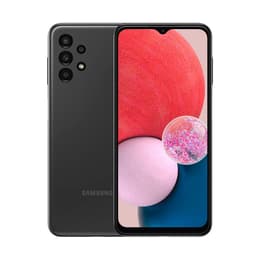
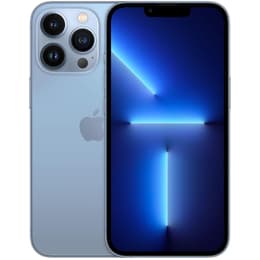

Galaxy A13 Vs iPhone 13 Pro

Galaxy A13
Galaxy A13
Starting at

Refurbished price:£73.00

Versus £249.00 new

See options
iPhone 13 Pro
iPhone 13 Pro
Starting at

Refurbished price:£232.00

Versus £949.00 new

See options

Ratings

The Samsung Galaxy A13, released in early 2022, and the Apple iPhone 13 Pro, launched in late 2021, represent two distinct tiers of the smartphone market. While the Galaxy A13 is designed as a functional device for everyday essentials, the iPhone 13 Pro is engineered with advanced technology for high-demand users. The primary differences lie in their build materials, processing power, and camera capabilities. Furthermore, they operate on different ecosystems, with the Galaxy running Android and the iPhone using iOS, which influences how users interact with apps and services.

Scores

Durability

The lifespan of these devices is influenced by their release dates and the software support policies of their respective manufacturers, which determine how long they remain secure and functional.

  • Software Longevity: The iPhone 13 Pro is expected to receive operating system updates for many years, often reaching six or seven years of support, ensuring it remains compatible with the latest apps. The Galaxy A13 typically receives a shorter window of major software updates, though it continues to get security patches for a significant period.
  • Build Resilience: The iPhone 13 Pro features a stainless steel frame and a specialised glass front designed for increased drop protection, while the Galaxy A13 uses a reinforced plastic shell that is resilient against cracks but may show scratches more easily.
  • Sustainable Longevity: Choosing a quality-assured refurbished option for either model can extend the functional life of these electronics, reducing environmental impact while providing a device that has been thoroughly tested for reliability.

Year of Release

2022

2021

Compatible with latest Update

No

Yes

OS

Android

iOS

Foldable

No

No

Performance

Performance levels vary significantly between these two models, catering to different types of mobile activity and multitasking needs for various user profiles.

  • Daily Responsiveness: The iPhone 13 Pro handles intensive tasks like high-definition video editing and complex gaming with ease, maintaining a fluid experience even when multiple demanding apps are open. The Galaxy A13 is better suited for standard tasks such as web browsing, social media, and messaging, where it provides steady performance for the average user.
  • Battery Endurance: With a large internal battery capacity, the Galaxy A13 is designed to last through long days of moderate use, often stretching into a second day without needing a charge. The iPhone 13 Pro uses efficient power management to ensure a full day of use, though heavy media consumption will deplete it faster.
  • Storage and Multitasking: The iPhone 13 Pro offers higher internal memory configurations for those who store large files, while the Galaxy A13 includes a slot for expandable storage, allowing users to add more space for photos and documents as needed.

Memory (GB)

4 GB

6 GB

Screen quality

The viewing experience on these smartphones is defined by different display technologies that prioritise either physical size or visual precision and smoothness.

  • Display Technology: The iPhone 13 Pro utilises an OLED panel, which provides deep blacks and high contrast, making it ideal for watching films or editing photos. The Galaxy A13 uses an LCD screen, which offers natural colours and a large surface area for reading and general navigation.
  • Motion Smoothness: A high refresh rate on the iPhone 13 Pro ensures that scrolling through menus and playing supported games feels fluid. The Galaxy A13 provides a standard refresh rate that is sufficient for daily browsing but lacks the same level of visual smoothness.
  • Outdoor Visibility: The screen on the iPhone 13 Pro can reach high brightness levels, making it easier to read under direct sunlight compared to the Galaxy A13, which is best viewed in shaded or indoor environments.

Resolution

1080 x 2408

1170 x 2532

Screen type

PLS LCD

Super Retina XDR OLED

Audiovisual

Photography and video capabilities are a major point of distinction, with one device offering a basic setup and the other a versatile system for creators.

  • Lens Versatility: The iPhone 13 Pro features a triple-lens system including a dedicated telephoto lens for optical zoom, allowing for clear close-up shots without losing detail. The Galaxy A13 relies on a multi-lens array that focuses on wide-angle shots and close-up macro photography.
  • Low-Light Performance: Advanced sensors and software processing in the iPhone 13 Pro allow it to capture clear, detailed images in dark environments. The Galaxy A13 performs best in well-lit conditions, where its high-resolution main sensor can capture sharp images for social sharing.
  • Video Features: For users interested in filmmaking, the iPhone 13 Pro includes advanced stabilisation and focus-tracking features that produce smooth, high-quality footage. The Galaxy A13 provides standard video recording that is reliable for capturing quick memories and video calls.

Main camera

50 megapixels

12 megapixels

Front camera

8 megapixels

12 megapixels

Miscellaneous

Practical features such as connectivity and physical design play a role in how these devices fit into a user's daily routine and physical handling.

  • Physical Connectivity: The Galaxy A13 includes a traditional 3.5mm headphone jack, which is useful for those who prefer wired audio, whereas the iPhone 13 Pro requires an adapter or wireless headphones. The iPhone uses a proprietary port for charging, while the Galaxy uses the widely adopted USB-C standard.
  • Security and Sensors: The iPhone 13 Pro uses facial recognition technology for secure unlocking, which works quickly in most lighting conditions. The Galaxy A13 features a fingerprint sensor built into the power button, providing a tactile and reliable way to access the device.
  • Dimensions and Weight: Due to its metal and glass construction, the iPhone 13 Pro feels substantial and heavy for its size, while the Galaxy A13, despite being larger, uses lighter materials that make it comfortable to hold for extended periods.

Weight

195 g

203 g

Screen size (in)

6.6

6.1

Mobile network

4G

5G

SIM card

Dual Physical SIM

Physical SIM + eSIM

Carrier compatibility

Unlocked

Unlocked

User feedback for the Galaxy A13 often highlights its long-lasting battery life and the convenience of the expandable storage and headphone jack. Some users note that the device can feel slower when navigating between many open apps or during intensive tasks. Conversely, the iPhone 13 Pro receives praise for its fluid display and the quality of its zoom photography. Some owners mention that the device's weight can be noticeable during long periods of one-handed use, though the build quality is frequently commended.

Users who prioritise a large screen for reading and a battery that lasts for multiple days may find the Galaxy A13 aligns well with their needs, especially if they prefer the flexibility of wired headphones. Those who require a device for professional-level photography, high-end gaming, or who want a phone that will receive software updates for many years will likely lean toward the iPhone 13 Pro. Choosing a sustainable choice like a quality-assured refurbished model allows users to access these features while supporting a more circular economy. Both devices offer distinct advantages depending on whether a user values straightforward utility or advanced technological features.


See all articles

Our recent comparisons