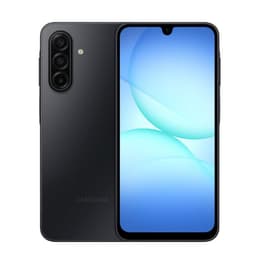

Compare models

Galaxy A13 Vs Galaxy A17

  • 1-year minimum warranty
  • Free delivery on all items
  • Free 30-day returns
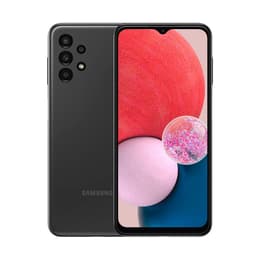
Galaxy A13
Starting at

Refurbished price:£82.00

Versus £249.00 new

See options
Galaxy A17
Starting at

Refurbished price:£160.00

Versus £304.32 new

See options

Differences at a glance

The Samsung Galaxy A13 (2022) and Samsung Galaxy A17 (2025) represent several generations of advancement within Samsung's accessible smartphone lineup. While both devices serve everyday communication and media needs, the newer Galaxy A17 introduces modern design refinements, an upgraded display technology, and significantly extended software longevity. Each model operates on Google's Android platform paired with Samsung's custom interface, providing a familiar user environment while bridging a multi-year technological gap.

Available Models

Colour

Storage (GB)

Scores

Durability

When examining hardware age and long-term support, the two models differ significantly in their expected operational lifespan and update schedules.

  • Release timeline and software support: The Galaxy A13 launched in 2022 with a standard multi-year update policy that is nearing its conclusion. In contrast, the Galaxy A17 debuted in 2025 and benefits from an extended support window covering up to six major Android upgrades, ensuring long-term software relevance.
  • Repairability and durability design: Both handsets feature plastic-framed builds typical of accessible devices, though the newer model incorporates improved splash resistance and tougher glass protection to withstand daily wear more effectively.

Year of Release

2022

2025

OS

Android

Android

Foldable

No

No

Performance

Day-to-day responsiveness and multitasking capabilities vary noticeably based on the internal components powering each generation.

  • Processor capabilities and responsiveness: The Galaxy A13 handles basic calling, messaging, and web browsing reliably, though demanding applications can cause occasional stutter. The Galaxy A17 utilizes a more current processor configuration that runs everyday apps, light gaming, and interface navigation with smoother transitions.
  • Memory and storage configurations: While both devices offer expandable storage via microSD cards, the Galaxy A17 provides higher base memory tiers that allow multiple background tasks to remain active without forcing frequent app reloads.

Screen quality

Visual output and screen technology represent some of the most prominent distinctions between the two devices during media consumption.

  • Display technology and clarity: The Galaxy A13 relies on standard liquid crystal display technology with a traditional refresh rate. The Galaxy A17 upgrades to a vibrant OLED panel that delivers deeper contrast levels, richer colors, and a higher refresh rate for smoother scrolling through web pages and menus.
  • Outdoor visibility: Higher peak brightness capabilities on the Galaxy A17 make text and images easier to read under direct sunlight compared to its predecessor.

Resolution

1080 x 2408

1080x2340

Screen type

PLS LCD

Super AMOLED

Audiovisual

Photography and media recording features reflect incremental improvements in sensor technology and image processing across generations.

  • Camera system versatility: Both smartphones feature multi-lens rear setups anchored by high-resolution main sensors for everyday snapshots, alongside supporting lenses for wide-angle and close-up photography.
  • Low-light and video performance: The newer Galaxy A17 benefits from optical image stabilization on its primary sensor, which helps reduce blur in dimly lit environments and steadies video recordings compared to the older Galaxy A13.

Main camera

50 megapixels

50 megapixels

Miscellaneous

Practical everyday features, physical handling characteristics, and connectivity standards shape how each device fits into daily routines.

  • Physical dimensions and handling: The Galaxy A17 features a slimmer, slightly lighter chassis that rests more comfortably in one hand than the thicker frame of the Galaxy A13.
  • Connectivity standards: Both models include reliable wireless connectivity and standard USB Type-C charging ports, with the newer release supporting updated Bluetooth and Wi-Fi standards for more stable peripheral connections.

Weight

195 g

192 g

Screen size (in)

6.6

6.7

Mobile network

4G

5G

SIM card

Dual Physical SIM

Physical SIM

Carrier compatibility

Unlocked

Unlocked

What the community thinks

User feedback from online communities highlights distinct generational feedback for each smartphone. Owners of the Galaxy A13 frequently praise its reliable battery longevity and functional baseline features for simple communication tasks, though some users note sluggishness during heavy multitasking. Conversely, owners of the Galaxy A17 appreciate the fluid display smoothness, modern software features, and brighter screen quality, while noting that intensive mobile gaming pushes the device to its limits.

Users prioritizing extended software updates, smoother visual scrolling, and brighter outdoor viewing will find the Galaxy A17 well-suited to their needs. On the other hand, users seeking a straightforward, functional communication tool for basic tasks may find the Galaxy A13 meets their daily requirements. For those exploring sustainable purchasing alternatives, a quality-assured refurbished option provides a reliable way to access these capabilities while reducing electronic waste. Ultimately, the choice depends on whether long-term software support and modern display performance outweigh basic daily utility.