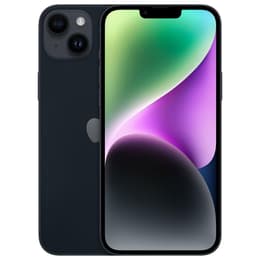
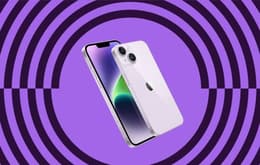
Galaxy S23+ Vs iPhone 14 Plus

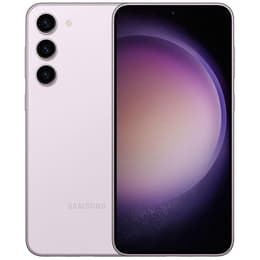
Galaxy S23+
Galaxy S23+
Starting at

Refurbished price:£257.00

Versus £1,199.99 new

See options
iPhone 14 Plus
iPhone 14 Plus
Starting at

Refurbished price:£242.00

Versus £699.00 new

See options

Ratings

The Samsung Galaxy S23 Plus, released in February 2023, and the Apple iPhone 14 Plus, launched in October 2022, are both large-screen smartphones designed for users seeking an expansive viewing experience. While the Galaxy S23 Plus operates on the Android ecosystem with Samsung's One UI, the iPhone 14 Plus runs on Apple's iOS. Key distinctions between these two devices include their display refresh rates, camera configurations, and charging capabilities.

Scores

Durability

Both the Galaxy S23 Plus and the iPhone 14 Plus offer substantial software support, contributing to their practical longevity. The Galaxy S23 Plus, released in early 2023, is expected to receive four major Android OS upgrades, extending its support until Android 17, and five years of security updates, securing it until at least 2028. The iPhone 14 Plus, launched in late 2022, typically receives iOS updates for approximately 5-6 years from its release, with security patches often continuing beyond that, potentially until 2028 or iOS 22.

  • Software Updates: The Galaxy S23 Plus is guaranteed four major OS updates and five years of security updates, while the iPhone 14 Plus generally receives 5-6 years of iOS updates, ensuring prolonged access to new features and security enhancements.
  • Build Durability: Both devices feature robust designs, with the iPhone 14 Plus incorporating Ceramic Shield glass and IP68 water resistance, and the Galaxy S23 Plus utilizing Corning Gorilla Glass Victus 2 and an Armor Aluminum frame, also with IP68 water and dust resistance.
  • Repairability: While specific repairability scores can vary, both manufacturers design their devices with certain repair considerations. Users seeking to extend the life of their device beyond software support can consider quality-assured refurbished options.

Year of Release

2023

2022

Compatible with latest Update

Yes

Yes

OS

Android

iOS

Foldable

No

No

Performance

The performance of these two large-screen smartphones is robust, handling demanding applications and multitasking with ease, though they achieve this through different hardware and software optimizations.

  • Processing Power: The Galaxy S23 Plus is equipped with a current-generation processor optimized for Samsung devices, providing smooth operation for gaming and intensive applications. The iPhone 14 Plus features a powerful chip from the previous generation of Apple's Pro models, ensuring high responsiveness and efficient handling of various tasks.
  • Multitasking and Responsiveness: The Galaxy S23 Plus typically comes with 8GB of RAM, which aids in managing multiple applications simultaneously without slowdowns. The iPhone 14 Plus includes 6GB of RAM, and its optimized iOS ecosystem allows for fluid transitions and efficient app management.
  • Storage Options: The Galaxy S23 Plus starts with 256GB of internal storage, offering ample space for files and applications, with a 512GB option also available. The iPhone 14 Plus offers storage configurations starting from 128GB, with options for 256GB and 512GB.

Memory (GB)

8 GB

6 GB

Screen quality

Both devices offer large, vibrant displays, but they differ in their underlying technology and refresh rate capabilities, impacting the visual experience.

  • Display Technology and Size: The iPhone 14 Plus features a 6.7-inch Super Retina XDR OLED display, providing deep blacks and vibrant colors. The Galaxy S23 Plus comes with a 6.6-inch Dynamic AMOLED 2X display, also known for its rich color reproduction and contrast.
  • Refresh Rate: A significant difference lies in the refresh rate; the Galaxy S23 Plus offers an adaptive refresh rate that can go up to 120Hz, resulting in smoother scrolling and more fluid animations. The iPhone 14 Plus maintains a standard 60Hz refresh rate.
  • Brightness and Clarity: The Galaxy S23 Plus boasts a peak brightness of up to 1750 nits, making it highly visible in bright outdoor conditions. The iPhone 14 Plus reaches a peak brightness of 1200 nits, which also provides good visibility in various lighting environments. Both displays offer sharp resolutions, with the iPhone 14 Plus at 2778 x 1284 pixels (458 ppi) and the Galaxy S23 Plus at 2340 x 1080 pixels (393 ppi).

Resolution

1080 x 2340

1284 x 2778

Screen type

Dynamic AMOLED 2X

Super Retina XDR OLED

Audiovisual

The camera systems on both the Galaxy S23 Plus and the iPhone 14 Plus are capable, capturing detailed photos and videos, but they approach photography with different hardware and software philosophies.

  • Rear Camera Configuration: The Galaxy S23 Plus features a versatile triple-camera setup, including a 50MP main sensor, a 12MP ultrawide lens, and a 10MP telephoto lens with 3x optical zoom. The iPhone 14 Plus has a dual-camera system, comprising a 12MP main sensor with a larger sensor and faster aperture, and a 12MP ultrawide lens.
  • Photography Performance: The Galaxy S23 Plus excels in offering optical zoom capabilities and detailed shots, with improvements in low-light performance and enhanced AI processing. The iPhone 14 Plus delivers strong image quality, particularly in low light, thanks to its larger main sensor and Photonic Engine, which enhances mid-to-low light performance across all cameras.
  • Video Capabilities: Both phones offer high-quality video recording. The Galaxy S23 Plus can record 8K video at 30fps and features improved video stabilization. The iPhone 14 Plus supports 4K video recording at up to 60fps and includes Action mode for smooth, stabilized video capture, similar to using a gimbal.

Main camera

50 megapixels

12 megapixels

Front camera

12 megapixels

12 megapixels

Miscellaneous

Beyond their core features, both devices offer a range of practical elements that influence daily usability and connectivity.

  • Connectivity: Both the Galaxy S23 Plus and the iPhone 14 Plus support 5G networks, ensuring fast mobile data speeds. They also feature modern Wi-Fi standards and Bluetooth for wireless connections.
  • Ports and Biometrics: The Galaxy S23 Plus uses a USB-C port for charging and data transfer and incorporates an in-display fingerprint sensor for secure unlocking. The iPhone 14 Plus utilizes Apple's Lightning port and relies on Face ID for biometric authentication.
  • Design and Handling: The iPhone 14 Plus is noted for its relatively lightweight design for a large phone, weighing 203 grams, and features an aerospace-grade aluminum design. The Galaxy S23 Plus, at 195 grams, is slightly lighter and features a sleek glass and metal construction. Both devices are rated IP68 for dust and water resistance.

Weight

196 g

203 g

Screen size (in)

6.6

6.7

Mobile network

5G

5G

SIM card

Dual Physical SIM + eSIM

Physical SIM + eSIM

Carrier compatibility

Unlocked

Unlocked

Connector

USB-C

Lightning

The Samsung Galaxy S23 Plus and the iPhone 14 Plus each present a compelling package for users seeking a large-screen smartphone experience, albeit with distinct approaches. Users often praise the Galaxy S23 Plus for its vibrant 120Hz display, versatile triple camera system with optical zoom, and faster wired charging. Some common user concerns for the S23 Plus have included occasional camera processing quirks and vibration motor feedback.

The iPhone 14 Plus is frequently lauded for its consistent performance, excellent battery life, and reliable camera system, particularly its video capabilities with Action Mode. Criticisms sometimes point to its standard 60Hz display refresh rate and the continued use of the Lightning port.

Users prioritizing a smoother display experience, a telephoto camera, and faster charging may find the Galaxy S23 Plus well-suited to their needs. Conversely, those who value the iOS ecosystem, consistent performance, and advanced video stabilization might lean towards the iPhone 14 Plus. Both devices offer robust performance and features that cater to a wide range of daily tasks and entertainment. For those considering either model, exploring quality-assured refurbished options can provide an eco-friendly alternative.

See all articles

Our recent comparisons