
Galaxy Tab S9 Ultra (14.6", 2023) Vs iPad Air 7 (2025, M3 series)

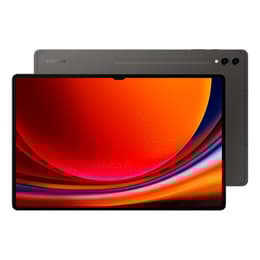
Galaxy Tab S9 Ultra (14.6", 2023)
Starting at

Refurbished price:£493.00

Versus £1,364.76 new

See options
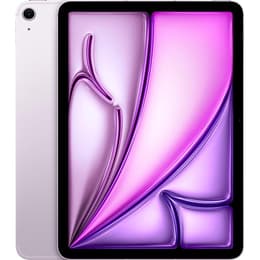
iPad Air 7 (2025, M3 series)
Starting at

Refurbished price:£456.00

Versus £599.00 new

See options

Ratings

The Samsung Galaxy Tab S9 Ultra, released in August 2023, and the Apple iPad Air M3, launched in March 2025, represent two distinct approaches to high-performance tablets. While both devices offer powerful computing experiences, they differ significantly in their operating systems, display technologies, and overall design philosophy. This comparison will explore their core features to help users understand which device aligns best with their needs.

Scores

Durability

When considering the longevity of a tablet, several factors come into play, including release timeline, software support, and physical durability.

  • Release Timeline: The Galaxy Tab S9 Ultra was released in August 2023, while the iPad Air M3 followed in March 2025. This difference in launch dates means the iPad Air M3 benefits from a more recent hardware generation and potentially a longer period of software support from its manufacturer.
  • Software Support: Samsung typically provides several years of Android OS updates and security patches for its flagship tablets, with the Tab S9 Ultra expected to receive four generations of OS upgrades and five years of security updates. Apple is known for its extended software support, often providing iPadOS updates for five to six years or more, suggesting the iPad Air M3 will likely receive updates for a longer duration than the Tab S9 Ultra.
  • Physical Durability & Repairability: The Galaxy Tab S9 Ultra features an Armor Aluminum build and boasts an IP68 rating for water and dust resistance, offering a degree of protection against environmental elements. Repairability for the Tab S9 Ultra is considered moderate, with some components like the battery being accessible, though screen removal can be delicate due to adhesive. In contrast, Apple iPads, including previous Air models, have historically received lower repairability scores due to extensive use of adhesive and complex internal layouts, making DIY repairs challenging.

Year of Release

2023

2025

Compatible with latest Update

Yes

Yes

OS

Android

iPadOS

Performance

Both tablets are equipped with powerful processors designed for demanding tasks, but their underlying architectures and real-world performance characteristics vary.

  • Processing Power: The Galaxy Tab S9 Ultra is powered by a current-generation Qualcomm Snapdragon processor, enabling smooth multitasking, rapid app loading, and efficient handling of graphics-intensive applications and games. The iPad Air M3 features Apple's M3 chip, which provides significant performance for professional-grade applications, advanced graphics rendering, and machine learning tasks, ensuring a highly responsive user experience.
  • Multitasking & Responsiveness: Users of the Tab S9 Ultra often report excellent performance when running multiple applications simultaneously, with Samsung's DeX mode offering a desktop-like environment for enhanced productivity. The iPad Air M3, with its unified memory architecture and iPadOS optimizations, also delivers fluid multitasking and quick transitions between apps, making it well-suited for creative and productivity workflows.
  • Battery Behavior: The Galaxy Tab S9 Ultra houses a large 11,200mAh battery, providing users with extended usage times, often lasting a full day of mixed use or longer with lighter tasks. The iPad Air M3 is rated for up to 10 hours of web browsing or video playback, though some user reports indicate variability in real-world battery life, particularly under heavy load or with certain software versions.

Memory (GB)

12 GB

8 GB

Screen quality

The visual experience on both tablets is a key differentiator, with each offering distinct display technologies and characteristics.

  • Display Technology & Size: The Galaxy Tab S9 Ultra features a large 14.6-inch Dynamic AMOLED 2X display, known for its deep blacks, vibrant colors, and high contrast ratios. The iPad Air M3 comes in 11-inch and 13-inch models, both utilizing a Liquid Retina (IPS LCD) display with P3 wide color and True Tone technology, offering accurate color reproduction and consistent viewing angles.
  • Resolution & Clarity: The Tab S9 Ultra's display has a resolution of 2960 x 1848 pixels, resulting in a pixel density of approximately 239 pixels per inch (ppi). The 11-inch iPad Air M3 offers a 2360 x 1640 pixel resolution at 264 ppi, while the 13-inch model has a 2732 x 2048 pixel resolution, providing sharp and clear visuals.
  • Brightness & Refresh Rate: The Tab S9 Ultra supports HDR10+ and features a 120Hz refresh rate, contributing to smoother scrolling and more fluid animations. The iPad Air M3's Liquid Retina display offers up to 500 nits of brightness for the 11-inch model and 600 nits for the 13-inch model, with a standard 60Hz refresh rate.

Resolution

1848 x 2960

2360 x 1640

Screen type

Dynamic AMOLED 2X

Liquid Retina display

Pixel density

240ppp

264ppp

Audiovisual

While tablets are not typically primary photography devices, both models offer capable camera systems for video calls, document scanning, and casual photography.

  • Rear Camera System: The Galaxy Tab S9 Ultra is equipped with a dual rear camera setup, including a 13-megapixel wide lens and an 8-megapixel ultrawide lens, suitable for capturing general photos and scanning documents. The iPad Air M3 features a single 12-megapixel wide rear camera, capable of capturing high-resolution photos and 4K video.
  • Front Camera & Video Calls: For video conferencing, the Tab S9 Ultra includes a dual front camera system with two 12-megapixel lenses (wide and ultrawide), featuring auto-framing to keep subjects centered during calls. The iPad Air M3 also has a 12-megapixel front-facing camera with Center Stage, which automatically adjusts to keep users in frame during video calls.
  • Audio Experience: The Tab S9 Ultra integrates quad AKG-tuned speakers with Dolby Atmos support, delivering a rich and immersive audio experience for media consumption and gaming. The iPad Air M3 also provides stereo speakers that offer clear sound quality for videos and calls.

Miscellaneous

Beyond core performance and display, several practical features contribute to the overall user experience of these tablets.

  • Connectivity & Ports: Both devices support modern wireless standards, including Wi-Fi 6E and Bluetooth 5.3, with optional 5G connectivity for mobile data access. The Galaxy Tab S9 Ultra features a USB Type-C 3.2 port, while the iPad Air M3 also uses a USB-C port, offering data transfer speeds up to 10 Gbps. Neither tablet includes a traditional headphone jack.
  • Stylus & Accessories: The Galaxy Tab S9 Ultra comes with an S Pen included, offering a versatile tool for drawing, note-taking, and navigation, with features like air gestures. The iPad Air M3 supports the Apple Pencil Pro and Apple Pencil (USB-C), providing precise input for creative tasks and note-taking, and is compatible with an updated Magic Keyboard featuring a larger trackpad and function row.
  • Biometric Security & Design: The Tab S9 Ultra includes an under-display fingerprint sensor and facial recognition for secure unlocking. The iPad Air M3 utilizes Touch ID integrated into the power button for biometric authentication. The Tab S9 Ultra is notably thin at 5.5mm and weighs 732g, while the 11-inch iPad Air M3 is 6.1mm thick and weighs 460g, with the 13-inch model weighing 615g.

Weight

129 g

460 g

Screen size (in)

14.6

11

Network

Wi-Fi + 5G

Wi-Fi

Carrier compatibility

Unlocked

Without SIM Port

The Samsung Galaxy Tab S9 Ultra and the Apple iPad Air M3 cater to users with distinct preferences and workflows. User feedback for the Tab S9 Ultra often praises its expansive and vibrant AMOLED display, making it a strong contender for media consumption and creative work that benefits from a large canvas. Its included S Pen and DeX mode are frequently highlighted as advantages for productivity and a desktop-like experience on Android. Some users, however, find its sheer size can make it less portable for certain scenarios.

The iPad Air M3 is generally lauded for its powerful M3 chip, which delivers robust performance for demanding applications and ensures a smooth, responsive experience across iPadOS. Its integration with the Apple ecosystem and support for accessories like the Apple Pencil Pro and Magic Keyboard are often cited as key strengths for creative professionals and students. Criticisms sometimes point to the display's 60Hz refresh rate compared to higher-end tablets and occasional reports of battery life inconsistencies under heavy use.

Users prioritizing a large, high-refresh-rate AMOLED display, an included stylus, and a more open Android ecosystem with desktop-like capabilities may find the Galaxy Tab S9 Ultra well-suited to their needs. Conversely, those who value a highly optimized software experience, a powerful and efficient chip for creative and professional apps, and a strong accessory ecosystem might lean towards the iPad Air M3. Both devices are available as quality-assured refurbished options, providing an eco-friendly alternative for consumers.


See all articles

Our recent comparisons