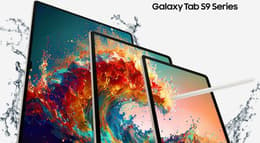
Samsung Tab
Compare models
Differences at a glance
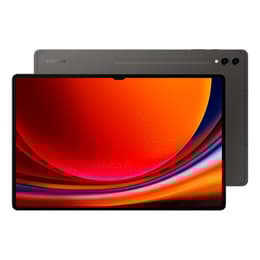
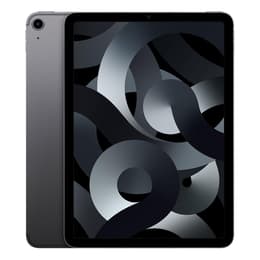
The Samsung Galaxy Tab S9 Ultra, released in August 2023, and the Apple iPad Air (M1 series), launched in March 2022, represent distinct approaches to the tablet experience. While both are powerful devices designed for productivity and entertainment, they differ significantly in their operating systems, screen sizes, and overall design philosophy. The Tab S9 Ultra runs on Android with Samsung's One UI, offering a large, expansive display, whereas the iPad Air operates on iPadOS, providing a more compact form factor with a focus on Apple's ecosystem.
Colour
Storage
When considering the longevity of these tablets, several factors come into play, including their release timelines, software support, and physical durability.
Year of Release
Compatible with latest Update
OS
Both tablets offer robust performance capabilities, designed to handle a wide range of tasks from everyday browsing to more demanding applications, though they achieve this through different hardware and software optimizations.
The visual experience on both tablets is a key differentiator, with each offering distinct display technologies and characteristics that cater to different user preferences.
Resolution
Screen type
Pixel density
While tablets are not typically primary photography devices, both the Galaxy Tab S9 Ultra and iPad Air offer capable camera systems for video calls, document scanning, and casual photography.
Beyond core performance and display, several practical elements contribute to the overall user experience and differentiate these two tablets.
Weight
Screen size (in)
Network
Carrier compatibility
User feedback for the Samsung Galaxy Tab S9 Ultra often highlights its expansive and vibrant AMOLED display as a major draw, making it ideal for immersive media consumption and detailed creative work. Users also praise its powerful performance for demanding tasks and the versatility offered by DeX mode, which provides a desktop-like experience. The included S Pen and IP68 water resistance are frequently cited as significant advantages. Some common criticisms revolve around its large size, which, while beneficial for screen real estate, can make it less convenient for handheld use or portability.
For the iPad Air (M1 series), users consistently commend its strong performance, attributing it to the efficient processor that handles multitasking and intensive applications with ease. Its integration within the Apple ecosystem and compatibility with accessories like the Apple Pencil and Magic Keyboard are also highly valued. Criticisms sometimes point to the base storage option being limited and the display lacking the higher refresh rate or OLED technology found in more premium tablets. Some users also report that battery life can be significantly impacted by high brightness settings or very heavy usage.
Users prioritizing a large, high-contrast display for entertainment, drawing, or a desktop-like Android experience with expandable storage may find the Galaxy Tab S9 Ultra well-suited to their needs. Conversely, individuals seeking a more compact, highly performant tablet within the Apple ecosystem, with a strong track record of software support, might lean toward the iPad Air (M1 series). Both devices offer compelling features for different user profiles, and considering a quality-assured refurbished option for either can be an eco-friendly alternative.