
Compare models
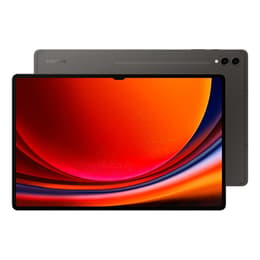
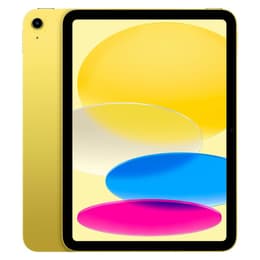
Galaxy Tab S9 Ultra (14.6", 2023) Vs iPad 10 (2022, A14 series)
- 1-year minimum warranty
- Free delivery on all items
- Free 30-day returns
Differences at a glance
The Samsung Galaxy Tab S9 Ultra (2023) and the iPad 10 (2022) represent distinct visions of tablet computing, catering to different user demands through their contrasting form factors and software ecosystems. The Galaxy Tab S9 Ultra functions as an expansive, productivity-focused powerhouse with a massive display, while the iPad 10 offers a balanced, versatile everyday tablet experience running iPadOS. While both devices deliver reliable performance for daily tasks, they approach multitasking, media consumption, and portability from opposite directions.
Available Models
Colour
Storage
Scores
Durability
Both tablets are built to endure years of regular usage, though their long-term software support timelines and hardware robustness differ based on their release schedules and construction standards.
- Software Support: Both manufacturers typically provide extensive operating system updates and security patches for several years, with each device following its respective brand's established longevity lifecycle.
- Repairability and Build: The robust aluminum frames offer good physical resistance to daily wear, while professional repair networks ensure that components like batteries can be serviced over time.
- Expected Lifespan: Both models maintain sustained everyday reliability for years, making them solid long-term investments for users seeking lasting utility.
Year of Release
2023
2022
Compatible with latest Update
Yes
Yes
OS
Android
iPadOS
Performance
Handling daily workflows, application loading, and multitasking smoothly, both tablets rely on capable internal components, though their memory configurations and thermal handling differ significantly.
- Multitasking and Responsiveness: Both devices load everyday apps quickly and manage split-screen workflows or demanding media tools efficiently without noticeable stutter.
- Battery Behavior: Battery capacities align with screen sizes, delivering enough power for a full day of standard web browsing, note-taking, and streaming under typical usage conditions.
- Storage Management: Various internal storage tiers accommodate different user needs, supporting large document libraries, offline media, and substantial application files.
Screen quality
The viewing experience constitutes one of the most prominent differences between these two devices, driven by distinct panel technologies and physical dimensions.
- Display Technology: The Galaxy Tab S9 Ultra features an expansive organic light-emitting diode panel delivering deep contrast and vivid colors, whereas the iPad 10 utilizes a traditional liquid crystal display with sharp resolution and natural color tuning.
- Brightness and Outdoor Legibility: Both screens reach high brightness levels sufficient for comfortable indoor use and outdoor readability under indirect sunlight.
- Viewing Area: The Galaxy Tab S9 Ultra provides a laptop-sized canvas well-suited for side-by-side app windows, while the iPad 10 offers a compact, easily manageable screen footprint.
Resolution
1848 x 2960
2360 x 1640
Screen type
Dynamic AMOLED 2X
Liquid Retina display
Pixel density
240ppp
264ppp
Audiovisual
Equipped with front and rear camera setups designed primarily for document scanning, video calls, and casual photography, both tablets handle everyday multimedia tasks effectively.
- Video Calls: Front-facing cameras positioned for landscape or portrait orientations deliver clear video quality for online meetings and virtual catch-ups.
- Media and Audio Output: Multi-speaker arrangements provide clear, immersive sound output for video playback, music listening, and conference calls.
- Main Photography: Rear lenses capture detailed snapshots and clean document scans under normal lighting conditions with steady autofocus performance.
Miscellaneous
Physical handling, accessory compatibility, and connectivity options shape how each tablet integrates into daily routines, travel gear, or workspace setups.
- Portability and Weight: The iPad 10 offers a lightweight, compact build that slips easily into small bags, while the Galaxy Tab S9 Ultra requires a larger carrying case due to its expansive footprint.
- Connectivity and Ports: Both models feature modern universal connection standards for charging and accessories, alongside fast wireless networking options.
- Ecosystem Accessories: Each device supports dedicated keyboards and precision styluses that expand productivity capabilities for typing and creative drawing.
Weight
129 g
477 g
Screen size (in)
14.6
10.9
Network
Wi-Fi
Wi-Fi
Carrier compatibility
Unlocked
Without SIM Port
What the community thinks
User feedback on community forums highlights distinct preferences for each device based on everyday workflows. Owners of the Galaxy Tab S9 Ultra frequently praise its expansive display space and multitasking flexibility, though some note that its large physical size makes it less convenient for handheld reading. Conversely, users of the iPad 10 appreciate its straightforward interface and manageable portability, while noting that its screen size can feel restrictive for complex multi-window workflows. Users prioritizing expansive screen workspace and laptop replacement potential may prefer the Galaxy Tab S9 Ultra, while users prioritizing lightweight portability and a simplified operating system will lean toward the iPad 10. For those exploring sustainable technology options, opting for a quality-assured refurbished option from Back Market provides a reliable, eco-friendly alternative that extends device lifecycles while reducing electronic waste. Ultimately, the right choice depends on whether daily routines call for a vast canvas or a compact, portable assistant.