MacBooks
Compare models
Differences at a glance
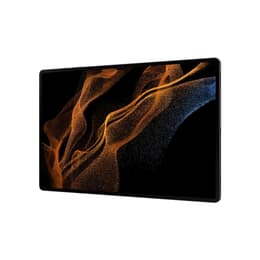
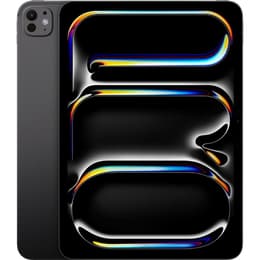
The Samsung Galaxy Tab S8, released in February 2022, and the Apple iPad Pro M4 series, launched in May 2024, represent two distinct approaches to premium tablet computing. Both devices offer robust performance and versatile functionality, but they differ significantly in their operating systems and display technologies. The Galaxy Tab S8 runs on Android, providing a highly customizable experience, while the iPad Pro M4 operates on iPadOS, known for its optimized app ecosystem and powerful processing capabilities.
Colour
Storage
The Galaxy Tab S8, released in February 2022, launched with Android 12 and is expected to receive software updates up to Android 16 with One UI 8, with security updates extending into 2027. This provides a solid period of software support for users. The Apple iPad Pro M4 series, launched in May 2024, benefits from a more recent release, typically translating to a longer period of software support and feature updates from Apple, with its current operating system being iPadOS 26.3.1 (a). Both tablets are constructed with durable aluminum bodies, offering a solid feel and resistance to everyday wear. The iPad Pro M4 is notably thinner and lighter, which can influence its perceived portability. Repairability scores can vary, but both manufacturers generally design their premium tablets with a degree of complexity that can make independent repairs challenging. Users seeking the longest possible software longevity might find the more recently released iPad Pro M4 to be a suitable option.
Year of Release
Compatible with latest Update
OS
The Galaxy Tab S8 is equipped with a powerful processor from its release year, enabling smooth multitasking and efficient handling of demanding applications and games. It offers various storage configurations, including 128GB and 256GB, with expandable storage via microSD, to suit different user needs. The iPad Pro M4 series, featuring a newer generation processor, delivers exceptional performance, excelling in intensive tasks such as professional video editing, 3D rendering, and complex graphic design. This allows for seamless transitions between applications and a highly responsive user experience. Both devices provide ample RAM to support multiple applications running simultaneously without significant slowdowns. The battery behavior on both tablets generally allows for a full day of mixed usage, though intensive tasks like gaming or video editing will naturally consume power more rapidly.
The Galaxy Tab S8 features an 11-inch TFT LCD display, offering vibrant colors and good clarity for general media consumption and productivity tasks. It supports a 120Hz refresh rate, contributing to smoother scrolling and a more fluid visual experience. The iPad Pro M4 series, also available with an 11-inch screen, utilizes an advanced OLED display technology, referred to as Ultra Retina XDR. This display provides deeper blacks, higher contrast, and more precise color reproduction, making it particularly well-suited for creative professionals and those who prioritize visual fidelity. The iPad Pro M4 also boasts significantly higher peak brightness, reaching up to 1000 nits for SDR content and 1600 nits for HDR content, enhancing visibility in bright outdoor conditions and improving HDR content viewing. Both displays offer excellent resolution for sharp text and detailed images.
Resolution
Screen type
Pixel density
The Galaxy Tab S8 includes a dual-camera system on the rear, comprising a 13MP wide and a 6MP ultrawide lens, alongside a 12MP ultrawide front camera, suitable for video calls and general photography. Its quad-speaker setup delivers rich and immersive audio for media consumption. The iPad Pro M4 series features a refined single rear 12MP wide camera, complemented by a LiDAR scanner for enhanced depth sensing and augmented reality applications. Its 12MP front ultrawide camera is strategically placed for landscape video calls, improving the user experience in that orientation. The iPad Pro M4 also provides a four-speaker audio system, offering clear and balanced sound. Both tablets are capable of recording high-quality video, with the iPad Pro M4 often excelling in computational photography and video processing capabilities.
Both tablets offer modern connectivity options, including Wi-Fi 6E for fast wireless internet and Bluetooth for accessories. The Galaxy Tab S8 includes a USB-C 3.2 Gen 1 port for charging and data transfer, and it comes with the S Pen stylus in the box, providing a versatile input method for drawing and note-taking. It features a side-mounted fingerprint sensor for secure unlocking. The iPad Pro M4 series also utilizes a USB-C port, but it supports Thunderbolt / USB 4, offering significantly faster data transfer speeds for external drives and displays. It relies on Face ID for biometric authentication and supports the Apple Pencil Pro and Apple Pencil (USB-C), which are sold separately. The iPad Pro M4 is notably thinner (5.3 mm) and lighter (444g for Wi-Fi model) than the Galaxy Tab S8 (6.3 mm and 503g for Wi-Fi model), which can impact portability and handling during extended use.
Weight
Screen size (in)
Network
Carrier compatibility
Users frequently praise the Galaxy Tab S8 for its inclusion of the S Pen, offering immediate creative and productivity tools without an additional purchase. Its Android operating system is often highlighted for its flexibility and customization options, appealing to users who prefer an open ecosystem. Some users, however, have noted that the LCD display, while good, does not match the contrast and black levels of OLED panels. The iPad Pro M4 series receives widespread acclaim for its exceptional processing power, making it a preferred choice for demanding professional workflows and creative tasks. Its Ultra Retina XDR display is consistently lauded for its stunning visual quality and brightness. Criticisms sometimes revolve around the accessory ecosystem, where essential tools like the Apple Pencil and Magic Keyboard are separate purchases.
For users prioritizing a versatile Android experience with an included stylus for productivity and creativity, the Galaxy Tab S8 remains a strong contender. Its robust performance and customizable software make it suitable for students and professionals who value flexibility. Conversely, individuals who require the absolute highest performance for intensive creative applications, coupled with a top-tier display and a highly optimized app ecosystem, will find the iPad Pro M4 series to be an excellent fit. Both devices offer compelling experiences, and considering a quality-assured refurbished option for either can be a sustainable choice for those looking to extend the life cycle of electronic products.