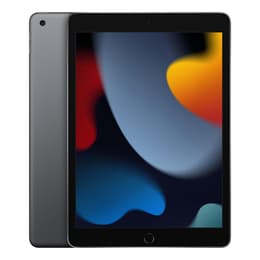

Galaxy Tab S8 (11.0", 2022) Vs iPad 9 (2021, A13 series)

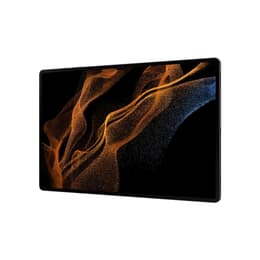
Galaxy Tab S8 (11.0", 2022)
Starting at

Refurbished price:£262.00

Versus £745.19 new

See options
iPad 9 (2021, A13 series)
Starting at

Refurbished price:£157.00

Versus £679.00 new

See options

Ratings

The Samsung Galaxy Tab S8, released in February 2022, and the Apple iPad (9th generation), launched in September 2021, are both popular tablet options. While the Galaxy Tab S8 operates on Android with Samsung's One UI, the iPad runs on Apple's iPadOS. These devices offer distinct experiences, primarily differing in their display technology, accessory support, and software ecosystems.

Scores

Durability

When considering the long-term usability of a tablet, software support and physical durability are key factors. Both devices offer substantial longevity, though their approaches differ.

  • Software Updates: The Galaxy Tab S8 is promised 4 Android OS upgrades and 5 years of security updates from its release, meaning OS updates are expected until Android 16/One UI 8, and security updates until 2027. The iPad (9th generation), while discontinued in May 2024, typically receives iPadOS updates for 5-6 years from its launch.
  • Physical Build: The Galaxy Tab S8 features an Armor Aluminum frame, designed to be more scratch-resistant and less prone to bending compared to its predecessors. The iPad (9th generation) maintains a classic aluminum back and glass front design.
  • Practical Lifespan: Users can expect both tablets to remain functional and receive critical updates for several years, with the Galaxy Tab S8 having a slightly more defined update roadmap for Android.

Year of Release

2022

2021

Compatible with latest Update

Yes

Yes

OS

Android

iPadOS

Performance

The processing power and memory configuration of a tablet directly influence its responsiveness and ability to handle various tasks, from everyday browsing to more demanding applications.

  • Processing Capabilities: The Galaxy Tab S8 is equipped with a current-generation processor, enabling smooth handling of demanding apps, multitasking, and gaming. The iPad (9th generation) features the A13 Bionic chip, which provides a responsive experience for general use, app loading, and casual gaming.
  • Multitasking and Storage: The Galaxy Tab S8 typically comes with 8GB of RAM, allowing for efficient multitasking with multiple applications open simultaneously. It offers storage options of 128GB or 256GB, expandable up to 1TB via a microSD card. The iPad (9th generation) has 3GB of RAM and is available with 64GB or 256GB of internal storage, which is not expandable.
  • Battery Behavior: The Galaxy Tab S8 houses an 8000mAh battery, providing up to 15 hours of typical use. The iPad (9th generation) has an 8557mAh battery (32.4-watt-hour), offering up to 10 hours of web surfing or video playback.

Memory (GB)

8 GB

3 GB

Screen quality

The display is a primary interface for tablets, and differences in technology, resolution, and refresh rate can significantly impact the visual experience.

  • Display Technology and Size: The Galaxy Tab S8 features an 11-inch TFT LCD with a resolution of 2560 x 1600 pixels, resulting in a pixel density of 276 pixels per inch. The iPad (9th generation) has a 10.2-inch Retina IPS LCD with a 2160 x 1620 pixel resolution, offering 264 pixels per inch.
  • Smoothness and Brightness: The Galaxy Tab S8 offers a 120Hz refresh rate, which contributes to smoother scrolling and more fluid animations. Its display can reach up to 480 nits of brightness. The iPad (9th generation) features a standard 60Hz refresh rate and a brightness of 500 nits, along with True Tone technology that adjusts the screen's color temperature to ambient light for a more comfortable viewing experience.
  • Viewing Experience: The Galaxy Tab S8's larger screen and higher refresh rate can enhance the experience for dynamic content and productivity. The iPad's True Tone display and consistent color reproduction are beneficial for reading and creative tasks in varied lighting conditions.

Resolution

1600 x 2560

2160 x 1620

Screen type

TFT LCD

Retina display

Pixel density

280ppp

264ppp

Audiovisual

Tablet cameras are increasingly important for video calls, document scanning, and casual photography, with both devices offering capable systems.

  • Rear Camera System: The Galaxy Tab S8 includes a dual rear camera setup with a 13MP wide-angle lens and a 6MP ultra-wide-angle lens. The iPad (9th generation) features an 8MP wide-angle rear camera.
  • Front Camera and Video Calls: For video conferencing, the Galaxy Tab S8 has a 12MP ultra-wide front camera with an auto-framing feature that keeps the subject centered during calls. The iPad (9th generation) also excels with a 12MP ultra-wide front camera that supports Center Stage, providing a similar auto-framing experience.
  • Video Recording and Audio: The Galaxy Tab S8 can record video in 4K at 30 frames per second and offers 8K video playback. It features a three-microphone setup with noise cancellation. The iPad (9th generation) records 1080p HD video at 25 or 30 frames per second with its rear camera, and its front camera supports 1080p HD video recording at up to 60 frames per second. Both tablets include stereo speakers.

Miscellaneous

Beyond core specifications, various practical features and design elements contribute to the overall user experience and device utility.

  • Connectivity and Ports: The Galaxy Tab S8 supports Wi-Fi 6E and Bluetooth 5.2, with optional 5G connectivity, and uses a USB-C 3.2 port. The iPad (9th generation) supports Wi-Fi 5 (802.11ac) and Bluetooth 4.2, with optional LTE models, and features a Lightning port.
  • Input and Security: The Galaxy Tab S8 comes with an S Pen included, offering precise input for notes and drawing, and features a fingerprint scanner integrated into the power button. The iPad (9th generation) supports the first-generation Apple Pencil and Smart Keyboard, and uses Touch ID for security, integrated into the home button.
  • Dimensions and Handling: The Galaxy Tab S8 measures 253.8 x 165.3 x 6.3 mm and weighs around 503g (Wi-Fi model). The iPad (9th generation) measures 250.6 x 174.1 x 7.5 mm and weighs approximately 487g (Wi-Fi model). The Galaxy Tab S8 is slightly thinner and narrower, while the iPad is marginally lighter.

Weight

507 g

498 g

Screen size (in)

11.0

10.2

Network

Wi-Fi

Wi-Fi + 4G

Carrier compatibility

Without SIM Port

Unlocked

User feedback for the Galaxy Tab S8 often highlights its strong performance, the versatility of the included S Pen, and the productivity features offered by Samsung DeX, which provides a desktop-like experience. Some users appreciate the expandable storage option. Criticisms sometimes point to the LCD display on the base model, especially when compared to the OLED screens on higher-tier tablets.

The iPad (9th generation) is frequently praised for its reliable performance, the robust app ecosystem of iPadOS, and the effectiveness of its front camera with Center Stage for video calls. Its software longevity is also a common positive. However, some users note its dated design, including larger bezels, the Lightning port instead of USB-C, and the non-laminated display.

Users prioritizing a more open Android ecosystem, expandable storage, and an included stylus for productivity and creative tasks may prefer the Galaxy Tab S8. Its higher refresh rate also offers a smoother visual experience. Conversely, users who value a vast and optimized app library, consistent software updates within the Apple ecosystem, and the intuitive simplicity of iPadOS may lean toward the iPad (9th generation). Both tablets serve as capable tools for daily tasks, entertainment, and learning.

For those considering either device, exploring quality-assured refurbished options can provide an eco-friendly alternative, extending the life cycle of these electronics.
See all articles

Our recent comparisons