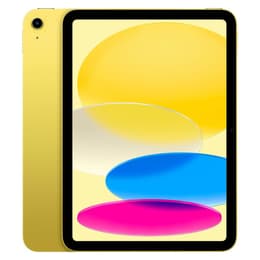

Galaxy Tab S8 (11.0", 2022) Vs iPad 10 (2022, A14 series)

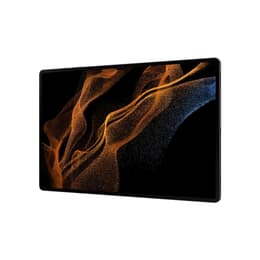
Galaxy Tab S8 (11.0", 2022)
Starting at

Refurbished price:£262.00

Versus £745.19 new

See options
iPad 10 (2022, A14 series)
Starting at

Refurbished price:£217.00

Versus £349.00 new

See options

Ratings

The Samsung Galaxy Tab S8 and the Apple iPad (10th Generation) both launched in 2022, offering distinct tablet experiences. While both devices provide capable performance for daily tasks, they differ significantly in their operating systems, display technologies, and accessory ecosystems. The Galaxy Tab S8 operates on Android, emphasizing versatility and an included stylus, whereas the iPad runs on iPadOS, known for its streamlined interface and robust app selection.

Scores

Durability

Both tablets, released in 2022, offer a reasonable expectation of software longevity, though their respective ecosystems approach updates differently.

  • Software Support: The Galaxy Tab S8 typically receives around four years of major Android operating system updates and five years of security updates from its release. The iPad (10th Generation) generally benefits from five to six years of iPadOS updates, potentially offering a slightly longer period of feature updates.
  • Practical Lifespan: Both devices are built with durable aluminum frames. The practical lifespan for either tablet will largely depend on individual usage patterns and the demand for the latest software features.
  • Repairability: General tablet repairability can vary, but both devices are designed with components that can be serviced by authorized providers.

Year of Release

2022

2022

Compatible with latest Update

Yes

Yes

OS

Android

iPadOS

Performance

The performance of these tablets caters to a range of user needs, with both offering smooth operation for typical tasks but showing differences under more demanding conditions.

  • Processing Power: The Galaxy Tab S8 handles demanding applications and multitasking smoothly, with users reporting strong performance for gaming and intensive tasks. The iPad (10th Generation) provides fluid performance for everyday use, web browsing, and light gaming, though some users have noted occasional slowdowns when running numerous widgets or during prolonged heavy use.
  • Multitasking and Storage: The Galaxy Tab S8 typically comes with more RAM options, contributing to its ability to manage multiple applications simultaneously without significant slowdowns. It also offers expandable storage via a microSD card. The iPad (10th Generation) features less RAM and does not support expandable storage, with its base storage option potentially limiting for users with extensive media or app libraries.
  • Battery Endurance: The Galaxy Tab S8 generally offers extended battery life, with reports indicating around 12 to 13 hours of web browsing on a single charge. The iPad (10th Generation) typically provides approximately 10 hours of web browsing or video playback, though some users have observed faster battery drain during intensive activities.

Memory (GB)

8 GB

4 GB

Screen quality

The visual experience on both tablets is clear and vibrant, though they employ different display technologies and refresh rates.

  • Display Technology: The Galaxy Tab S8 features an 11-inch LCD panel, offering bright and colorful visuals with good clarity. The iPad (10th Generation) uses a 10.9-inch Liquid Retina IPS LCD, which also delivers vibrant colors and sharp details.
  • Smoothness and Responsiveness: A key differentiator is the refresh rate; the Galaxy Tab S8 boasts a 120Hz refresh rate, resulting in smoother scrolling and more fluid animations. The iPad (10th Generation) has a standard 60Hz refresh rate.
  • Viewing Experience: While both displays are bright enough for most indoor conditions, some iPad users have noted that its non-laminated display can lead to reflections and a slight gap between the glass and the actual display, which can be noticeable when using a stylus.

Resolution

1600 x 2560

2360 x 1640

Screen type

TFT LCD

Liquid Retina display

Pixel density

280ppp

264ppp

Audiovisual

Both tablets are equipped with camera systems suitable for video calls and casual photography, with some notable differences in their front-facing camera placement and capabilities.

  • Rear Camera Performance: The Galaxy Tab S8 includes a dual rear camera setup with a 13MP wide and a 6MP ultrawide lens. It performs well in good lighting conditions, but low-light photos can exhibit noise. The iPad (10th Generation) features a 12MP wide rear camera, capable of capturing clear images and 4K video.
  • Front Camera and Video Calls: The Galaxy Tab S8 has a 12MP ultrawide front camera. The iPad (10th Generation) also features a 12MP ultrawide front camera, uniquely positioned on the longer, landscape edge, which is particularly beneficial for video conferencing as it naturally centers the user. Both support features like Center Stage on the iPad, which keeps subjects in frame during video calls.
  • Audio Output: The Galaxy Tab S8 is equipped with four speakers, providing a rich audio experience. The iPad (10th Generation) offers stereo speakers, suitable for media consumption.

Miscellaneous

Beyond core features, several practical elements distinguish these two tablets, impacting their usability and accessory compatibility.

  • Connectivity: Both devices support modern wireless standards, including Wi-Fi 6 (Wi-Fi 6E for the Tab S8) and Bluetooth 5.2, with optional 5G cellular connectivity available.
  • Ports and Accessories: Both tablets utilize a USB-C port for charging and data transfer. The Galaxy Tab S8 includes the S Pen stylus in the box, offering a responsive writing and drawing experience. The iPad (10th Generation) supports the first-generation Apple Pencil, which is sold separately and requires an adapter for charging and pairing, a point of frequent user feedback.
  • Biometric Security and Design: The Galaxy Tab S8 features a fingerprint sensor for secure unlocking. The iPad (10th Generation) integrates Touch ID into its power button. Both tablets feature an aluminum build, contributing to a premium feel. The Galaxy Tab S8 measures 253.8 x 165.3 x 6.3 mm and weighs 503g, while the iPad (10th Generation) is 248.6 x 179.5 x 7 mm and weighs 477g (Wi-Fi models).

Weight

507 g

477 g

Screen size (in)

11.0

10.9

Network

Wi-Fi

Wi-Fi

Carrier compatibility

Without SIM Port

Without SIM Port

The Samsung Galaxy Tab S8 and the iPad (10th Generation) each present a compelling package for tablet users, with their strengths aligning with different priorities. Users often praise the Galaxy Tab S8 for its included S Pen, the versatility offered by Samsung's DeX mode for a desktop-like experience, its high refresh rate display, and the option for expandable storage. However, some users note that the Android tablet app ecosystem, while improving, may not always be as optimized as iPadOS, and the display is LCD rather than OLED.

Conversely, the iPad (10th Generation) receives commendation for its modern design, the convenient landscape orientation of its front-facing camera for video calls, and its generally smooth performance for everyday tasks within the robust iPadOS app environment. Common criticisms include the less convenient Apple Pencil (1st Gen) support requiring an adapter, the non-laminated display, and the potentially limiting 64GB base storage option. Battery life can also be inconsistent for heavy users.

Users prioritizing an integrated stylus experience, a higher refresh rate screen, and the flexibility of the Android operating system with desktop-like capabilities may find the Galaxy Tab S8 well-suited to their needs. Those who value a streamlined user experience, a strong app ecosystem, and a tablet optimized for video conferencing might lean towards the iPad (10th Generation). Both devices offer a quality-assured refurbished option, providing an eco-friendly alternative for consumers.
See all articles

Our recent comparisons