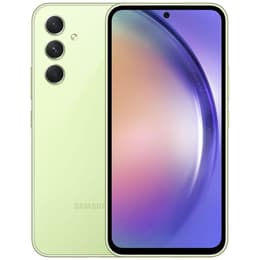
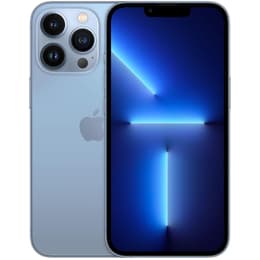

Galaxy A54 Vs iPhone 13 Pro

Galaxy A54
Galaxy A54
Starting at

Refurbished price:£119.00

Versus £499.00 new

See options
iPhone 13 Pro
iPhone 13 Pro
Starting at

Refurbished price:£232.00

Versus £949.00 new

See options

Ratings

The Samsung Galaxy A54 (2023) and the Apple iPhone 13 Pro (2021) represent two distinct approaches to the modern smartphone experience. While the Galaxy A54 serves as a contemporary mid-range device with a focus on modern display technology and battery longevity, the iPhone 13 Pro remains a high-performance flagship known for its advanced camera system and premium construction materials. These devices operate on different ecosystems—Android and iOS respectively—offering unique user interfaces and integration options for those already invested in specific software environments.

The primary differences between these two models lie in their hardware priorities: the Galaxy A54 offers a larger screen and expandable storage, whereas the iPhone 13 Pro provides a more compact, powerful experience with professional-grade photography features. Understanding these practical distinctions is essential for choosing the device that best fits your daily routine and long-term usage goals.

Scores

Durability

The Galaxy A54 and iPhone 13 Pro offer different trajectories for long-term use based on their release dates and manufacturer support cycles.

  • Software Longevity: The Galaxy A54, released in 2023, benefits from a modern support policy that includes four years of major operating system updates and five years of security patches, likely lasting until 2028. The iPhone 13 Pro, though launched in 2021, follows a tradition of extended support, typically receiving updates for six to seven years from its debut, which aligns its expected software life closely with the newer Samsung.
  • Physical Resilience: The iPhone 13 Pro features a stainless steel frame and Ceramic Shield glass, providing a sturdy build, while the Galaxy A54 uses a plastic frame with glass panels. Opting for a quality-assured refurbished option for either model ensures the device has been professionally inspected for structural integrity and functional reliability.
  • Repair Accessibility: Samsung devices often have more widely available modular components for screen and battery replacements in various regions, whereas the iPhone 13 Pro requires specific calibration for certain repairs, though independent service options are now very common for this generation.

Year of Release

2023

2021

Compatible with latest Update

Yes

Yes

OS

Android

iOS

Foldable

No

No

Performance

While both devices handle daily tasks with ease, they cater to different levels of processing intensity and multitasking needs.

  • System Responsiveness: The iPhone 13 Pro provides a highly fluid experience when navigating complex apps, editing high-resolution video, or playing demanding mobile games without lag. The Galaxy A54 is well-suited for standard daily activities like web browsing, social media, and streaming, though it may show slight pauses when switching between many heavy applications simultaneously.
  • Battery Endurance: The Galaxy A54 is equipped with a large battery capacity that comfortably lasts through a full day of heavy use, often extending into a second day for moderate users. The iPhone 13 Pro uses efficient software management to provide reliable all-day battery life, though it may require more frequent charging during intensive tasks like GPS navigation or high-definition recording.
  • Storage Flexibility: Users who require significant space for local files will find the Galaxy A54 versatile due to its expandable storage slot, whereas the iPhone 13 Pro relies on fixed internal storage capacities that must be decided at the point of purchase.

Memory (GB)

8 GB

6 GB

Screen quality

The viewing experience on these two smartphones differs in size and the way they handle motion and brightness for outdoor use.

  • Display Technology: Both phones utilise OLED technology, which provides deep blacks and high contrast ratios. The Galaxy A54 features a 6.4-inch Super AMOLED screen that is slightly larger, making it ideal for watching videos. The iPhone 13 Pro uses a 6.1-inch Super Retina XDR display that prioritises colour accuracy and natural tones for photo editing.
  • Motion Smoothness: Each device supports a 120Hz refresh rate, ensuring that scrolling through lists and animations appears fluid. The iPhone 13 Pro uses adaptive technology to adjust this rate based on content, which helps preserve battery, while the Galaxy A54 offers a high refresh rate that remains consistent for a responsive feel.
  • Outdoor Visibility: The Galaxy A54 is designed with high peak brightness to remain legible under direct sunlight. Similarly, the iPhone 13 Pro offers excellent brightness levels, ensuring the screen remains clear and easy to read even in bright outdoor environments.

Resolution

1080 x 2340

1170 x 2532

Screen type

Super AMOLED

Super Retina XDR OLED

Audiovisual

The camera systems represent a significant hardware divergence, particularly regarding zoom capabilities and professional recording features.

  • Photography Versatility: The iPhone 13 Pro features a triple-lens system including a dedicated telephoto lens for 3x optical zoom and a macro mode for close-up shots. The Galaxy A54 uses a high-resolution main sensor that captures detailed images in daylight, but it lacks a dedicated zoom lens, relying instead on digital cropping for distant subjects.
  • Low-Light Performance: For evening or indoor photography, the iPhone 13 Pro utilises a specialised light-sensing sensor to focus quickly and capture bright, clear images with minimal noise. The Galaxy A54 performs admirably in low light for its category, using software processing to brighten scenes, though it may lose some fine detail compared to the flagship optics of the iPhone.
  • Video and Audio: Video recording on the iPhone 13 Pro is exceptionally stable and supports professional-grade formats for those who enjoy mobile filmmaking. The Galaxy A54 provides clear 4K video for casual use, complemented by stereo speakers that deliver a balanced audio experience for gaming and movies.

Main camera

50 megapixels

12 megapixels

Front camera

32 megapixels

12 megapixels

Miscellaneous

Practical design choices and connectivity standards influence how these devices feel and function in a user's daily routine.

  • Physical Handling: The iPhone 13 Pro has a smaller footprint but feels substantial in the hand due to its dense stainless steel construction. The Galaxy A54 is larger and slightly lighter, which may be preferable for users who want more screen real estate without the extra weight of metal.
  • Security and Ports: The Galaxy A54 uses an optical fingerprint sensor located under the display for biometric unlocking and features a universal USB-C port for charging. The iPhone 13 Pro employs Face ID for secure access and uses a Lightning port, which may require specific cables for those not already using Apple accessories.
  • Connectivity: Both smartphones are 5G capable, ensuring fast mobile data speeds where networks are available. They also support modern Wi-Fi and Bluetooth standards for stable connections to wireless headphones, smartwatches, and home networks.

Weight

202 g

203 g

Screen size (in)

6.4

6.1

Mobile network

5G

5G

SIM card

Dual Physical SIM

Physical SIM + eSIM

Carrier compatibility

Unlocked

Unlocked

Connector

USB-C

Lightning

User feedback from various tech communities highlights distinct strengths for both the Galaxy A54 and the iPhone 13 Pro. Owners of the Galaxy A54 frequently praise the device for its impressive battery life and the quality of its large, vibrant display, which many find comparable to more expensive models. Some users note that while it is reliable, it can occasionally feel less snappy during very intensive multitasking. Conversely, iPhone 13 Pro users often highlight the exceptional camera consistency and the smooth, premium feel of the interface. A common point of discussion for the iPhone is the transition to the Lightning port, which some find less convenient than the more universal USB-C standard found on newer electronics.

Users who prioritise a larger screen for media consumption and a battery that can easily last through a long day may find the Galaxy A54 aligns well with their needs. Those who focus on high-end mobile photography, a more compact design, and a highly responsive operating system will likely lean toward the iPhone 13 Pro. Choosing an eco-friendly alternative like a quality-assured refurbished device allows users to access these features while supporting a more sustainable electronics market. Ultimately, the decision rests on whether a user prefers the customisable nature of Android on a modern mid-range frame or the polished, high-performance experience of a former Apple flagship.


See all articles

Our recent comparisons