
Compare models
Galaxy S25 Vs Galaxy Z Flip7
- 1-year minimum warranty
- Free delivery on all items
- Free 30-day returns
Differences at a glance
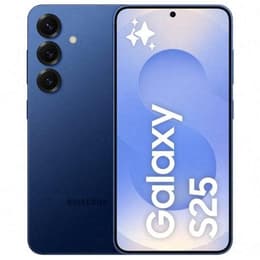
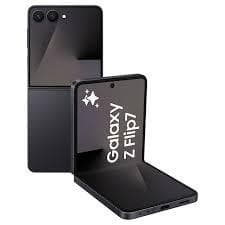
The Samsung Galaxy S25 (2025) and the Samsung Galaxy Z Flip7 (2025) represent two distinct visions of modern mobile technology from the same manufacturer. While the Galaxy S25 provides a traditional, pocket-friendly slate design built for daily reliability, the Galaxy Z Flip7 introduces an innovative clamshell foldable format with a unique dual-screen layout. Both devices run on the Android operating system paired with Samsung's custom user interface, but their physical form factors cater to entirely different user preferences.
Available Models
Colour
Storage
Scores
Durability
When examining structural longevity and software support, both smartphones offer robust multi-year update pathways backed by comprehensive manufacturer commitments.
- Software Support Timeline: Both models benefit from extended operating system upgrades and security patches, helping maintain software relevance over many years of ownership.
- Build and Mechanical Design: The Galaxy S25 relies on a traditional rigid glass-and-metal construction, whereas the Galaxy Z Flip7 incorporates a specialized hinge mechanism that requires mindful handling during folding cycles.
- Expected Practical Lifespan: Users selecting either device can anticipate steady long-term performance, though traditional slate models typically present fewer mechanical variables over extensive operational cycles.
Year of Release
2025
2025
Compatible with latest Update
Yes
Yes
OS
Android
Android
Foldable
No
Yes
Performance
Underneath their exteriors, both handsets deliver swift multitasking capabilities and fluid daily operation supported by ample system memory options.
- App Loading and Multitasking: Both devices handle demanding applications, heavy browsing sessions, and rapid background app switching smoothly without noticeable stutter.
- Battery Behavior: The Galaxy S25 manages standard daily energy consumption efficiently within its compact frame, while the Galaxy Z Flip7 accommodates a slightly larger energy reservoir to power its dual display configuration.
- Thermal and System Responsiveness: High-performance processors ensure responsive navigation across menus, though intensive prolonged gaming sessions can cause varying thermal distribution due to differences in internal chassis space.
Screen quality
Display characteristics differ significantly between the two models, primarily driven by the foldable nature of one device compared to the rigid panel of the other.
- Display Technology: The Galaxy S25 features a flat, vibrant OLED panel protected by durable reinforced glass, while the Galaxy Z Flip7 utilizes a flexible folding OLED primary screen complemented by a practical exterior cover display.
- Outdoor Visibility: Both panels offer high peak brightness outputs, ensuring clear text legibility and media viewing even under direct sunlight.
- Refresh Rate and Smoothness: Both devices support high refresh rates, delivering fluid scrolling motions through web pages, user interfaces, and supported applications.
Resolution
1080x2340
1080x2520
Audiovisual
Photography and multimedia output cater to varied shooting styles, offering capable optics for daily memories and content creation.
- Camera System Setup: The Galaxy S25 features a versatile triple-lens rear arrangement including dedicated optical zoom capabilities, while the Galaxy Z Flip7 utilizes a streamlined dual-lens main setup.
- Low-Light and Everyday Performance: Both smartphones capture sharp details and balanced colors in standard daylight, utilizing advanced image processing to maintain clarity in dimmer environments.
- Media and Audio Output: Stereo speaker configurations on both models provide clear sound delivery for hands-free calls, video streaming, and casual music playback.
Miscellaneous
Practical daily usability elements reflect distinct physical dimensions and modern connectivity standards across both product lines.
- Connectivity and Ports: Both options support current-generation 5G networks, rapid Wi-Fi standards, and Bluetooth pairing, utilizing USB-C physical ports for charging and data transfer.
- Security Sensors: Each model incorporates biometric authentication through fast fingerprint recognition and facial scanning capabilities for secure unlocking.
- Dimensions and Handling: The Galaxy S25 offers a lightweight, narrow slate profile that fits easily into small pockets, whereas the Galaxy Z Flip7 folds in half to occupy minimal horizontal pocket space while feeling slightly thicker when closed.
Weight
162 g
188 g
Screen size (in)
6.2
6.9
Mobile network
5G
5G
SIM card
Physical SIM + eSIM
Physical SIM + eSIM
Carrier compatibility
Unlocked
Unlocked
Connector
USB-C
USB-C
What the community thinks
User feedback from online communities highlights distinct preferences for each device based on lifestyle and handling habits. Owners of the Galaxy S25 frequently praise its traditional ergonomics, robust build consistency, and reliable everyday battery longevity. Conversely, Galaxy Z Flip7 users often emphasize the convenience of the compact folded size and the utility of checking notifications on the exterior screen without opening the device. Common discussions note that foldable hinges require careful physical treatment over time, while traditional slate owners sometimes miss the novelty of a pocket-sized folding form factor.
Users prioritizing a classic, lightweight pocket profile with traditional durability will find the Galaxy S25 well-suited to their daily routine. Meanwhile, users looking for a compact, folding device that maximizes portability without sacrificing screen estate may prefer the Galaxy Z Flip7. For those mindful of environmental impact, choosing a quality-assured refurbished option provides a sustainable way to access either of these advanced smartphone models.