
Galaxy S25 Vs iPhone 16

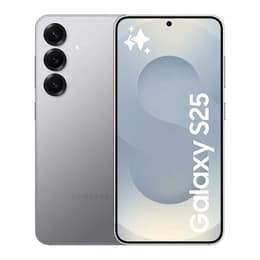
Galaxy S25
Galaxy S25
Starting at

Refurbished price:£435.00

Versus £766.13 new

See options
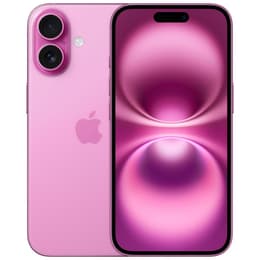
iPhone 16
iPhone 16
Starting at

Refurbished price:£484.00

Versus £699.00 new

See options

Ratings

The Samsung Galaxy S25, expected in early 2025, and the iPhone 16, released in late 2024, represent the latest iterations of their respective flagship smartphone lines. While both devices offer advanced mobile experiences, they cater to different ecosystems and user preferences. The primary distinctions lie in their operating systems, hardware integration philosophies, and specific feature enhancements, particularly in camera technology and display characteristics.

Scores

Durability

Evaluating the long-term usability of these devices involves considering their software support, physical resilience, and potential for repair.

  • Software Longevity: The Galaxy S25 series is expected to receive seven generations of Android OS upgrades and seven years of security updates, ensuring support until approximately 2032. The iPhone 16 typically receives iOS updates for about five to six years from its release, providing a consistent, though potentially shorter, software lifespan within its ecosystem.
  • Physical Durability: The iPhone 16 features Ceramic Shield protection on its display and is rated IP68 for water and dust resistance, indicating a robust build. While specific details for the base Galaxy S25 are less defined, Samsung's flagship devices generally offer strong build quality and water resistance.
  • Repairability: Both manufacturers continue to evolve their approaches to repairability. Historically, Apple has maintained a more controlled repair ecosystem, while Samsung has shown efforts to improve access to parts and repair information.

Year of Release

2025

2024

Foldable

No

No

Performance

Both the Galaxy S25 and iPhone 16 are designed to deliver high-level performance, handling demanding applications and multitasking with efficiency, though they achieve this through different hardware architectures.

  • Processing Power: The Galaxy S25 is anticipated to feature a current-generation processor, such as the Snapdragon 8 Elite For Galaxy, across its models, enabling smooth operation for complex tasks and advanced AI features. The iPhone 16 is powered by its own advanced chip, the A18, which is optimized for the iOS ecosystem, ensuring responsive performance and efficient power management.
  • Memory and Storage: The base Galaxy S25 is expected to come with 12GB of RAM, with higher-tier models offering up to 16GB, supporting extensive multitasking and on-device AI processing. All iPhone 16 models are confirmed to include 8GB of RAM, a notable increase from previous generations, specifically to enhance the performance of integrated AI features. Storage options for both devices typically range from 128GB to 1TB or more, catering to various user needs.
  • Battery Performance: The iPhone 16 series includes notable battery upgrades across all models, designed to provide extended usage throughout the day, with the base iPhone 16 offering approximately a full day of use. While specific battery life figures for the base Galaxy S25 are not as widely detailed, the S25+ and Ultra models are reported to offer substantial video playback times, suggesting robust battery performance across the series.

Memory (GB)

12 GB

8 GB

Screen quality

The visual experience on both devices is characterized by vibrant displays, though with differences in technology and refresh rates that impact smoothness and clarity.

  • Display Technology and Clarity: The Galaxy S25 features a Dynamic AMOLED 2X display, known for its deep blacks, rich colors, and high contrast. The base Galaxy S25 offers a 6.2-inch Full HD+ display with a resolution of 2340 x 1080 pixels. The iPhone 16 utilizes a Super Retina XDR OLED display, providing excellent color accuracy and contrast, with a 6.1-inch screen and a resolution of 2556 x 1179 pixels, resulting in a pixel density of 460 pixels per inch.
  • Brightness and Refresh Rate: The Galaxy S25's display can reach a peak brightness of 2600 nits, ensuring good visibility even in bright outdoor conditions, and features an adaptive refresh rate of up to 120Hz for smooth scrolling and responsive interactions. The iPhone 16 offers a typical maximum brightness of 1000 nits, a peak HDR brightness of 1600 nits, and an outdoor peak brightness of 2000 nits. However, the base iPhone 16 models do not support a 120Hz refresh rate, maintaining a standard refresh rate, which means less fluid motion compared to devices with higher refresh rates.

Resolution

1080x2340

1179 x 2556

Screen type

Dynamic LTPO AMOLED 2X

Super Retina XDR OLED

Audiovisual

Both smartphones offer advanced camera systems designed to capture high-quality photos and videos, with each device bringing its own set of strengths and new features.

  • Rear Camera Systems: The base Galaxy S25 and S25+ are equipped with a triple-camera setup, including a 50MP primary camera with optical image stabilization, a 12MP ultrawide camera, and a 10MP telephoto lens with 3x optical zoom. The iPhone 16 features an advanced dual-camera system with a 48MP wide camera and an ultrawide camera with a faster f/2.2 aperture, which improves low-light performance. The non-Pro iPhone 16 models also gain macro photography capabilities.
  • Video Recording and Audio: The iPhone 16 supports 4K Dolby Vision video recording, offering high-quality video capture. The Pro models further enhance this with 4K 120fps video recording in Dolby Vision and HDR, along with four microphones for Spatial Audio, allowing for more immersive sound recording and post-capture audio adjustments. While the Galaxy S25 series also offers robust video capabilities, specific details for the base model's advanced video features and microphone setup are less prominent in current information.
  • Front Camera: Both devices feature capable front-facing cameras for selfies and video calls. The Galaxy S25 and S25+ include a 12MP selfie camera. The iPhone 16 is equipped with a 12MP TrueDepth camera.

Miscellaneous

Beyond core performance and display, several practical elements contribute to the overall user experience, including connectivity, physical design, and security features.

  • Connectivity and Ports: The iPhone 16 supports Wi-Fi 7 and Bluetooth 5.3, offering fast and reliable wireless connections. It also features a USB-C port for charging, though data transfer speeds remain at USB 2.0 for the base models. The Galaxy S25 series is expected to continue with USB-C connectivity, aligning with industry standards.
  • Design and Handling: The iPhone 16 introduces a new vertical rear camera arrangement and includes an Action button and a touch-sensitive Camera Control button, enhancing user interaction. The Galaxy S25 Ultra is rumored to feature a more ergonomic, rounded design and potentially a titanium frame, which could extend to other models in the series, impacting in-hand feel and durability.
  • Security and Sensors: The iPhone 16 relies on Face ID for secure facial recognition. Samsung's Galaxy S25 series typically incorporates advanced in-display fingerprint sensors alongside facial recognition for biometric security.

Weight

162 g

170 g

Screen size (in)

6.2

6.1

Mobile network

5G

5G

SIM card

Physical SIM + eSIM

Physical SIM + eSIM

Carrier compatibility

Unlocked

Unlocked

The Samsung Galaxy S25 and iPhone 16 each present compelling options for users seeking a high-performance smartphone, with their strengths often aligning with their respective operating system ecosystems. User sentiment often highlights the Galaxy S series for its extensive customization options and versatile camera systems, particularly in the Ultra variants, which offer a broad range of photographic tools. Criticisms sometimes focus on the complexity of the Android interface for some users, or the regional variations in processor types.

Conversely, the iPhone series is frequently praised for its intuitive user experience, seamless integration with other Apple devices, and consistent performance. The iPhone 16, in particular, is noted for its enhanced video capabilities and robust software support, which contributes to a reliable long-term experience. Some users occasionally express a desire for more hardware customization or faster charging speeds on the base models.

Users prioritizing an open ecosystem, extensive customization, and a feature-rich camera system with advanced zoom capabilities may find the Galaxy S25 well-suited to their needs. Those who value a streamlined user experience, strong ecosystem integration, and advanced video recording features will likely lean towards the iPhone 16. Both devices offer a quality-assured refurbished option, providing an eco-friendly alternative for consumers looking to make a sustainable choice without compromising on performance.
See all articles

Our recent comparisons