
Galaxy S25 Vs iPhone 14

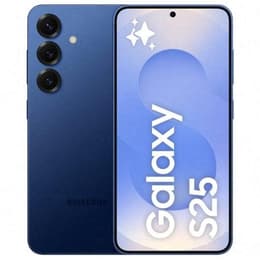
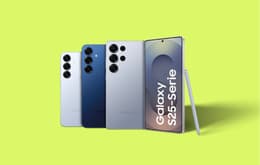
Galaxy S25
Galaxy S25
Starting at

Refurbished price:£435.00

Versus £766.13 new

See options
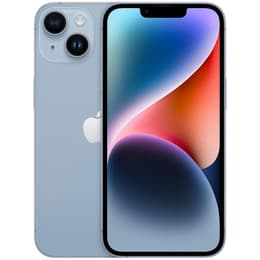
iPhone 14
iPhone 14
Starting at

Refurbished price:£229.00

Versus £599.00 new

See options

Ratings

The Samsung Galaxy S25, released in early 2025, and the Apple iPhone 14, launched in late 2022, represent two distinct generations of smartphone technology. While both are flagship-tier devices, the three-year gap between their release dates introduces significant differences in hardware capabilities, display technology, and long-term software support. The Galaxy S25 operates on the latest Android platform, offering a highly customisable experience, whereas the iPhone 14 runs on Apple's iOS, known for its straightforward interface and deep integration with other Apple products.

Choosing between these two devices involves weighing the benefits of a modern, feature-rich Android flagship against a reliable, established iOS device. The Galaxy S25 introduces several advancements in screen fluidity and camera versatility that were not standard when the iPhone 14 was developed. This comparison explores how these differences impact daily use, helping you decide which model aligns best with your specific needs and lifestyle preferences in 2026.

Scores

Durability

When evaluating how long these devices will remain functional and secure, the release date and manufacturer support policies play a decisive role in their overall longevity.

  • Software Support Timeline: The Galaxy S25 benefits from a modern commitment to seven years of operating system and security updates, potentially keeping the device current until 2032. In contrast, the iPhone 14, being a 2022 model, is likely to receive its final major software updates around 2027 or 2028, meaning it has a shorter remaining lifespan for new features.
  • Repairability and Maintenance: Both manufacturers have improved access to genuine parts, but the Galaxy S25 is designed with newer internal layouts that simplify battery replacements. Choosing a quality-assured refurbished option for either model is a sustainable choice that ensures the hardware has been professionally checked for continued reliability.
  • Hardware Relevance: Because the Galaxy S25 was built with 2025 standards, its internal components are better equipped to handle the more demanding applications expected in the late 2020s compared to the older architecture of the iPhone 14.

Year of Release

2025

2022

OS

Android

iOS

Foldable

No

No

Performance

The performance gap between these two generations is noticeable during intensive tasks, though both remain highly capable for standard daily activities like browsing and social media.

  • System Responsiveness: The Galaxy S25 utilises a much newer processor that handles multitasking and heavy applications with greater ease and less heat generation. Users will notice that apps open almost instantly and the system remains fluid even when many processes are running in the background.
  • Daily Efficiency: While the iPhone 14 remains smooth for everyday use, it may experience slight pauses when launching large files or high-end games compared to the newer Samsung. The iPhone 14 manages its memory efficiently, but the Galaxy S25 has a higher capacity for keeping multiple apps active simultaneously without refreshing.
  • Battery Endurance: In real-world usage, the Galaxy S25's more modern internals are designed for better power efficiency, often lasting through a full day of heavy use. The iPhone 14 provides reliable battery life for moderate users, but those who frequently use GPS or video streaming may find themselves reaching for a charger sooner.

Memory (GB)

12 GB

6 GB

Screen quality

The display technology represents one of the most significant upgrades found in the newer Galaxy S25 compared to the older iPhone 14.

  • Motion Smoothness: The Galaxy S25 features a high-refresh-rate display that makes scrolling through text and navigating menus feel incredibly fluid. The iPhone 14 uses a standard refresh rate, which is clear and functional but lacks the same level of visual smoothness found on the more modern Samsung screen.
  • Outdoor Visibility: Samsung has equipped the S25 with a screen that can reach much higher brightness levels, making it significantly easier to read under direct sunlight. The iPhone 14 offers a bright and vibrant OLED experience, but it may struggle slightly more with glare in very bright outdoor environments.
  • Visual Clarity: Both devices use OLED technology, providing deep blacks and excellent colour contrast for watching videos. However, the Galaxy S25 offers a slightly more immersive experience due to its thinner borders around the screen, allowing the display to fill more of the device's front surface.

Resolution

1080x2340

1170 x 2532

Screen type

Dynamic LTPO AMOLED 2X

Super Retina XDR OLED

Audiovisual

Photography enthusiasts will find that the Galaxy S25 offers more physical tools for capturing different types of shots compared to the dual-camera setup of the iPhone 14.

  • Zoom Capabilities: The Galaxy S25 includes a dedicated telephoto lens, allowing for clear, zoomed-in photos of distant subjects without losing detail. The iPhone 14 lacks a dedicated zoom lens, relying instead on digital cropping, which can result in less sharp images when trying to capture subjects from a distance.
  • Low-Light Performance: Thanks to newer sensor technology, the Galaxy S25 captures more light in dark environments, resulting in brighter night photos with less visual noise. The iPhone 14 still performs admirably in low light, but it cannot quite match the clarity and detail found in the newer model's night mode.
  • Video and Audio: The iPhone 14 is frequently praised by users for its natural-looking video and excellent microphone quality, making it a favourite for social media creators. The Galaxy S25 counters with highly stabilised video and more advanced manual controls for those who like to fine-tune their recording settings.

Miscellaneous

Practical design choices and connectivity standards differ between these two models, impacting how they fit into your existing ecosystem of accessories.

  • Charging and Connectivity: The Galaxy S25 uses the universal USB-C port, which is now the standard for most modern electronics, including laptops and tablets. The iPhone 14 uses the older Lightning port, which may require specific cables that are becoming less common as newer devices transition away from this standard.
  • Biometric Security: Samsung utilises an ultrasonic fingerprint scanner built directly into the screen, which works even if your fingers are slightly damp. The iPhone 14 relies on Face ID, which is highly secure and convenient for hands-free unlocking, though some users prefer the tactile nature of a fingerprint sensor.
  • Portability and Build: Both phones are designed to be compact and easy to use with one hand, featuring lightweight frames and durable glass. The Galaxy S25 is slightly narrower, which may feel more comfortable for users with smaller hands, while both offer high levels of water and dust resistance for peace of mind.

Weight

162 g

172 g

Screen size (in)

6.2

6.1

Mobile network

5G

5G

SIM card

Physical SIM + eSIM

Physical SIM + eSIM

Carrier compatibility

Unlocked

Unlocked

In summary, the choice between the Galaxy S25 and the iPhone 14 depends largely on whether you prioritise the latest technological advancements or a familiar, reliable user experience. User consensus on forums often highlights the Galaxy S25 for its exceptional screen smoothness and the versatility of its triple-camera system. It is frequently recommended for those who want a device that will remain technologically relevant for many years. On the other hand, the iPhone 14 is praised for its consistent performance, ease of use, and the high quality of its video recording, making it a dependable choice for those already invested in the Apple ecosystem.

Users who prioritise long-term software support, superior outdoor screen visibility, and the ability to take high-quality zoom photos will find the Galaxy S25 to be the more suitable option. Conversely, users who prefer a straightforward interface, excellent video integration, and a device that works seamlessly with other iOS products may lean toward the iPhone 14. Both devices are available as eco-friendly, quality-assured refurbished options, allowing you to make a sustainable choice regardless of which model fits your lifestyle. Ultimately, the Galaxy S25 offers a more future-proof hardware package, while the iPhone 14 remains a solid, practical performer for everyday tasks.
See all articles

Our recent comparisons