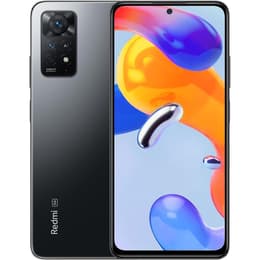
iPhone 13 Pro Vs Xiaomi Redmi Note 11 Pro 5G

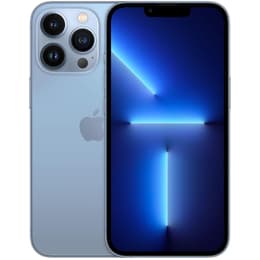
iPhone 13 Pro
iPhone 13 Pro
Starting at

Refurbished price:£232.00

Versus £949.00 new

See options
Xiaomi Redmi Note 11 Pro 5G
Starting at

Refurbished price:£102.00

Versus £599.00 new

See options

Ratings

The iPhone 13 Pro, released in 2021, and the Xiaomi Redmi Note 11 Pro 5G, launched in 2022, represent two distinct approaches to the modern smartphone experience. While the iPhone 13 Pro was designed as a high-end flagship running Apple's iOS, the Redmi Note 11 Pro 5G serves as a feature-rich Android device focused on providing a large display and rapid charging. These devices cater to different user needs, with the iPhone focusing on integrated hardware-software harmony and the Xiaomi offering an expansive, media-centric hardware package that prioritises practical daily features.

Scores

Durability

The iPhone 13 Pro and Redmi Note 11 Pro 5G differ significantly in their expected software lifespans and physical build materials, which impacts their long-term utility.

  • Software Longevity: The iPhone 13 Pro typically receives operating system updates for six to seven years from its release date, ensuring it remains secure and functional with the latest features well into the late 2020s. In contrast, the Redmi Note 11 Pro 5G follows a shorter update cycle common for its category, which may limit its access to new Android versions sooner.
  • Build Resilience: Featuring a stainless steel frame and specialised glass protection, the iPhone 13 Pro is built to withstand significant wear and tear. The Redmi Note 11 Pro 5G utilises a glass back with a plastic frame, which is durable for daily use but lacks the same structural rigidity against heavy impacts.
  • Repair Accessibility: Both devices have widely available replacement parts, though the iPhone's internal design is more intricate, often requiring professional assistance for battery or screen replacements to maintain full functionality and water resistance.

Year of Release

2021

2022

Compatible with latest Update

Yes

No

OS

iOS

Android

Foldable

No

No

Performance

Daily responsiveness and multitasking capabilities vary between these two models based on their internal optimisation and power management strategies.

  • System Fluidity: The iPhone 13 Pro handles demanding tasks like high-resolution video editing and intensive gaming with consistent smoothness, showing very little lag even when multiple apps are open. The Redmi Note 11 Pro 5G provides a reliable experience for social media, web browsing, and standard applications, though it may slow down slightly during heavy multitasking or when running the most demanding mobile games.
  • Battery and Charging: While the iPhone 13 Pro is known for its efficient power management that lasts through a full day of mixed use, the Redmi Note 11 Pro 5G features a larger battery capacity and significantly faster wired charging speeds, allowing it to go from empty to full in a fraction of the time.
  • Storage Flexibility: The iPhone offers fixed internal storage options ranging from 128GB to 1TB, whereas the Redmi Note 11 Pro 5G includes a hybrid slot, allowing users to expand their storage capacity using a memory card if they need more space for photos and files.

Memory (GB)

6 GB

6 GB

Screen quality

Both smartphones feature high-refresh-rate displays that provide smooth scrolling, but they differ in size, brightness, and panel technology.

  • Display Technology: The iPhone 13 Pro uses a sophisticated OLED panel that adjusts its refresh rate dynamically to save battery while providing fluid motion. The Redmi Note 11 Pro 5G also employs an AMOLED screen that delivers deep blacks and vibrant colours, though it operates at a fixed high refresh rate for consistent smoothness across the interface.
  • Viewing Area: Users who prefer a more compact, one-handed experience will appreciate the 6.1-inch screen of the iPhone. Conversely, the 6.67-inch display on the Redmi Note 11 Pro 5G offers a much larger canvas, which is often preferred by those who watch a lot of video content or play mobile games.
  • Outdoor Visibility: The iPhone 13 Pro reaches higher peak brightness levels, making the screen easier to read under direct sunlight compared to the Redmi Note 11 Pro 5G, which remains legible but may require more shading in very bright environments to see fine details clearly.

Resolution

1170 x 2532

1080 x 2400

Screen type

Super Retina XDR OLED

Super AMOLED

Audiovisual

The camera systems on these devices are designed for different types of photography, from casual social sharing to more advanced media creation.

  • Image Consistency: The iPhone 13 Pro features a triple-camera array that produces natural colours and excellent detail across all lenses, including a dedicated telephoto lens for high-quality zoomed shots. The Redmi Note 11 Pro 5G uses a high-resolution main sensor that captures sharp images in bright light, though its secondary ultra-wide and macro lenses offer less detail in comparison.
  • Video Capabilities: For users interested in filmmaking, the iPhone 13 Pro provides professional-grade video recording with advanced stabilisation and the ability to change focus after filming. The Redmi Note 11 Pro 5G captures standard high-definition video suitable for social sharing but lacks advanced cinematic features and higher frame rate options.
  • Audio Experience: The Redmi Note 11 Pro 5G includes a traditional headphone jack, a feature many users still value for lag-free audio. The iPhone 13 Pro relies on wireless connections or adapters but offers more balanced and immersive built-in stereo speakers for watching movies without external hardware.

Main camera

12 megapixels

108 megapixels

Front camera

12 megapixels

16 megapixels

Miscellaneous

Practical elements like biometric security, physical ports, and handling comfort play a large role in how these devices feel during daily use.

  • Biometric Security: The iPhone 13 Pro utilises facial recognition technology for secure unlocking and payments, which works effectively even in low-light conditions. The Redmi Note 11 Pro 5G uses a fingerprint sensor built into the side power button, providing a fast and familiar way to access the device.
  • Physical Handling: Due to its stainless steel construction, the iPhone 13 Pro feels quite dense and heavy for its size. The Redmi Note 11 Pro 5G, while larger in footprint, distributes its weight differently and may feel more manageable for users who prefer a lighter device despite the larger screen.
  • Connectivity and Ports: Both devices support 5G networks for fast mobile data. However, they use different physical ports; the iPhone uses a proprietary connector for charging and data transfer, while the Redmi uses the more universal USB-C standard, which is compatible with most modern laptop and tablet chargers.

Weight

203 g

202 g

Screen size (in)

6.1

6.67

Mobile network

5G

5G

SIM card

Physical SIM + eSIM

Dual Physical SIM

Carrier compatibility

Unlocked

Unlocked

Based on user discussions and community feedback, the iPhone 13 Pro is frequently praised for its exceptional camera reliability and the consistent smoothness of the iOS interface. Some users mention the weight and the proprietary charging port as minor inconveniences. On the other hand, Redmi Note 11 Pro 5G owners often highlight the large, vibrant screen and the convenience of extremely fast charging as standout features, though some note that the software experience can feel less streamlined compared to other platforms. These observations reflect the different priorities each manufacturer has chosen to emphasise.

Choosing between these two smartphones depends on individual priorities and usage habits. Users who value long-term software support, professional-grade video features, and a compact, robust build will find the iPhone 13 Pro to be a strong fit for their needs. Those who prioritise a large display for media consumption, the flexibility of expandable storage, and the convenience of a traditional headphone jack may lean toward the Redmi Note 11 Pro 5G. Both devices remain capable choices in the current market for different types of users.

Opting for a quality-assured refurbished option is a sustainable choice that helps reduce electronic waste while providing a reliable device. Whether you prefer the iOS or Android ecosystem, selecting a refurbished model ensures you receive a thoroughly tested product that fits your lifestyle and environmental values. This comparison shows that while one device focuses on premium refinement and longevity, the other emphasises practical, large-scale features for everyday enjoyment, allowing you to make an informed decision based on what matters most to you.

See all articles

Our recent comparisons