iPhones
Compare models
Differences at a glance
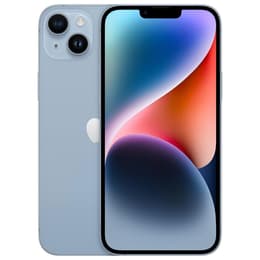
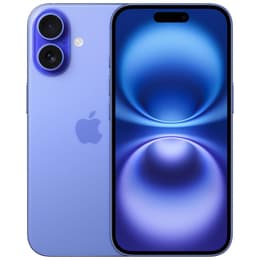
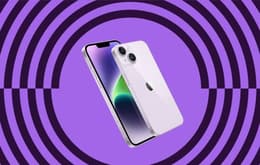
The iPhone 14 Plus, released in October 2022, and the iPhone 16, launched in September 2024, represent different generations within Apple's smartphone lineup. While both offer a large display experience, the iPhone 16 introduces a more advanced processor, updated camera capabilities, and enhanced connectivity features. Both devices operate on Apple's iOS, ensuring a consistent software experience, though the iPhone 16 benefits from a newer version and longer support timeline.
Colour
Storage
When considering the practical lifespan of these devices, several factors come into play, including their release timelines, software support, and physical resilience.
Year of Release
Compatible with latest Update
Foldable
Performance is a key differentiator, with the iPhone 16 benefiting from a newer generation of Apple's custom silicon, leading to a more responsive and capable user experience.
Both devices offer large, immersive displays, but the newer iPhone 16 introduces refinements that enhance the visual experience.
Resolution
Screen type
Camera systems on both iPhones deliver high-quality imaging, but the iPhone 16 brings generational advancements in sensor technology and computational photography.
Main camera
Front camera
Beyond core performance and display, several practical elements differentiate these two iPhone models.
Weight
Screen size (in)
Mobile network
SIM card
Carrier compatibility
Connector
The iPhone 14 Plus and iPhone 16 cater to users seeking a large-screen iPhone experience, but they appeal to slightly different priorities. Users of the iPhone 14 Plus frequently praise its exceptional battery life, often noting it can comfortably last for two days with moderate use. Many appreciate its large display for media consumption and general usability, finding it a balanced option without the added features and weight of the Pro Max models. Some users, however, have noted the 60Hz refresh rate as a point of comparison to other devices.
The iPhone 16, as a newer model, builds upon this foundation with significant upgrades. Users often highlight its enhanced performance due to the A18 chip, which provides a smoother and more future-proof experience for demanding applications and AI features. The improved camera system, including a higher-resolution main sensor and new features like the Capture Button, is also a common point of positive feedback. While the iPhone 16 Plus's battery capacity might be slightly adjusted compared to its direct predecessor (iPhone 15 Plus), overall battery life remains strong due to efficiency gains.
Users prioritizing extended software support, the latest processing power for future applications, and advanced camera capabilities will find the iPhone 16 well-suited to their needs. Its USB-C port also offers greater modern connectivity. Conversely, users who value proven, long-lasting battery performance in a large form factor and do not require the absolute latest in processing or camera technology may find the iPhone 14 Plus to be a capable device. Both models offer a robust iOS experience, and choosing a quality-assured refurbished option for either can be an eco-friendly alternative for consumers.