
Galaxy A16 5G Vs Galaxy S23+

Galaxy A16 5G
Galaxy A16 5G
Starting at

Refurbished price:£103.00

Versus £205.87 new

See options
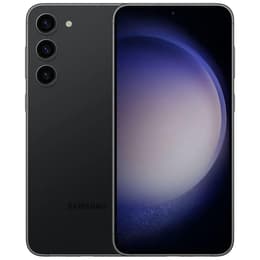
Galaxy S23+
Galaxy S23+
Starting at

Refurbished price:£257.00

Versus £1,199.99 new

See options

Ratings

The Samsung Galaxy A16 5G (released in late 2024 and early 2025) and the Samsung Galaxy S23 Plus (released in early 2023) are both Android smartphones from Samsung, yet they cater to different user expectations. While the Galaxy A16 5G focuses on extended software support and essential functionality, the Galaxy S23 Plus delivers a more premium experience with advanced performance and camera capabilities.

Scores

Durability

When considering the practical lifespan of these devices, both offer substantial software support, though with different timelines and implications for long-term usability.

  • Release Timeline: The Galaxy A16 5G is a more recent device, launched in late 2024 in Europe and early 2025 in the US, making it newer than the Galaxy S23 Plus, which debuted in February 2023. [2, 3, 9, 22]
  • Software Longevity: The Galaxy A16 5G is notable for its commitment to six years of major operating system and security updates, extending its support until October 2030. [1, 2, 4, 5] In contrast, the Galaxy S23 Plus was promised four years of OS updates and an additional year of security updates, totaling five years of support, which is expected to conclude within 2028. [9]
  • Repairability: The Galaxy A16 5G demonstrates a high degree of repairability, with some assessments giving it a score of 9 out of 10, indicating a design that facilitates easier component replacement. [10] The Galaxy S23 Plus, while featuring some internal upgrades for repair-friendliness compared to its predecessors, generally receives lower repairability scores, around 4 out of 10 in some evaluations, or 8.2 in others based on French environmental legislation. [7, 12, 30]

Year of Release

2024

2023

Compatible with latest Update

Yes

Yes

OS

Android

Android

Foldable

No

No

Performance

The performance characteristics of these two Galaxy smartphones highlight their distinct positions within the market, influencing how they handle daily tasks and demanding applications.

  • Processing Power: The Galaxy S23 Plus is equipped with a high-end processor, enabling very fast and smooth operation across various applications and multitasking scenarios. [6, 8, 24] Users report zero lag and consistent performance even with intensive use. [19] The Galaxy A16 5G, while capable of handling basic tasks, is noted for its more modest processing capabilities, with some users experiencing occasional sluggishness and stuttering, particularly with more demanding apps or extensive multitasking. [1, 4, 14]
  • Multitasking and Responsiveness: The Galaxy S23 Plus benefits from 8GB of RAM, contributing to its fluid multitasking experience and overall system responsiveness. [11, 23] The Galaxy A16 5G typically comes with 4GB of RAM, which can be a limiting factor for heavy multitasking and may lead to a less seamless experience when switching between numerous applications. [4]
  • Battery Behavior: Both devices offer robust battery performance. The Galaxy A16 5G, with its 5000 mAh battery, is reported to comfortably last a full day, even with heavy usage. [2, 3, 25] The Galaxy S23 Plus, featuring a 4700 mAh battery, also provides excellent endurance, with many users finding it easily lasts a full day, and some even extending to two days with careful usage. [8, 11, 31]

Memory (GB)

4 GB

8 GB

Screen quality

The visual experience on these devices is shaped by their display technologies and specifications, offering different levels of clarity, brightness, and smoothness.

  • Display Technology and Clarity: Both phones feature AMOLED displays, known for vibrant colors and deep blacks. The Galaxy A16 5G uses a Super AMOLED panel, providing punchy and vibrant colors with FHD+ resolution. [1, 20] The Galaxy S23 Plus steps up with a Dynamic AMOLED 2X display, offering a premium viewing experience with rich colors and a sharp FHD+ resolution. [6, 8, 9, 27]
  • Brightness Levels: For outdoor visibility, the Galaxy S23 Plus offers a significantly higher peak brightness of 1750 nits, ensuring clarity even in bright sunlight. [6, 8] The Galaxy A16 5G has a peak brightness of 800 nits, which is decent for indoor use but may present challenges for optimal viewing in direct outdoor light. [1, 4, 5]
  • Refresh Rate and Smoothness: The Galaxy S23 Plus features an adaptive refresh rate that can go up to 120Hz, providing very smooth scrolling and a responsive feel. [6, 8, 9] The Galaxy A16 5G has a 90Hz refresh rate, which offers a smoother experience than standard 60Hz displays, but is not as fluid as the S23 Plus's higher adaptive rate. [1, 20]

Resolution

1080 x 2340

1080 x 2340

Screen type

Super AMOLED

Dynamic AMOLED 2X

Audiovisual

The camera systems on the Galaxy A16 5G and Galaxy S23 Plus are designed for different photography needs, impacting image quality and available features.

  • Rear Camera System: The Galaxy S23 Plus features a versatile triple camera setup, including a 50MP wide-angle lens, a 12MP ultra-wide lens, and a 10MP telephoto lens with 3x optical zoom, allowing for detailed shots and effective zooming. [6, 11, 27] The Galaxy A16 5G also has a triple camera system with a 50MP primary sensor, a 5MP ultra-wide lens, and a 2MP macro sensor, offering essential photography options. [1, 2, 4, 20]
  • Photography Performance: The Galaxy S23 Plus excels in various lighting conditions, including low-light environments, and its aggressive photo processing helps balance exposure and preserve details. [6, 31] Users note improved zoom capabilities compared to previous models. [24] The Galaxy A16 5G provides decent camera quality for everyday situations, though some reviews suggest photo quality can be inconsistent, and it lacks Optical Image Stabilization (OIS) on its lenses, which can affect clarity in challenging conditions. [4, 20]
  • Video Recording and Audio: The Galaxy S23 Plus offers high-quality video recording, typical of a flagship device. While specific audio details are less emphasized, it generally provides a premium media consumption experience. The Galaxy A16 5G records video at FHD (1920x1080) at 30fps. [20] It features a single bottom-firing speaker that delivers loud output, though it may distort at maximum volume. [1, 4] Neither device includes a traditional 3.5mm headphone jack. [4]

Main camera

50 megapixels

50 megapixels

Front camera

13 megapixels

12 megapixels

Miscellaneous

Beyond core performance and display, several practical elements differentiate these two Samsung smartphones, affecting daily usability and overall experience.

  • Connectivity Options: Both devices support 5G connectivity. The Galaxy S23 Plus offers more advanced wireless standards, including Wi-Fi 6 (ax) and Bluetooth 5.3, providing faster and more stable connections. [23, 34] The Galaxy A16 5G supports Wi-Fi 5 (ac) and Bluetooth v5.3. [20]
  • Ports and Sensors: Both phones utilize a USB Type-C port, but the Galaxy S23 Plus features the faster USB 3.2 standard, while the Galaxy A16 5G uses USB 2.0. [20, 23] The Galaxy S23 Plus includes advanced biometric security like an in-display fingerprint sensor and face recognition. The Galaxy A16 5G also features a fingerprint sensor, typically side-mounted. [29]
  • Build Materials and Durability: The Galaxy S23 Plus boasts a premium construction with Gorilla Glass Victus 2 on both the front and back, coupled with an Armor Aluminum frame, and carries an IP68 rating for significant dust and water resistance. [11, 22, 34] The Galaxy A16 5G has a plastic design and a more basic IP54 rating, offering protection against dust and splashes but not full submersion. [4, 14]
  • Dimensions and Handling: The Galaxy S23 Plus measures 157.8 x 76.2 x 7.6 mm and weighs 196g. [11, 34] The Galaxy A16 5G is slightly larger and heavier at 164.4 x 77.9 x 7.9mm and 200g. [14] Both are large devices, but the S23 Plus offers a slightly more compact and potentially easier-to-handle form factor for its screen size.

Weight

200 g

196 g

Screen size (in)

6.7

6.6

Mobile network

5G

5G

SIM card

Dual Physical SIM

Dual Physical SIM + eSIM

Carrier compatibility

Unlocked

Unlocked

Connector

USB-C

USB-C

User feedback for the Galaxy A16 5G often highlights its impressive software update commitment for a device in its category, along with a vibrant AMOLED display and solid battery life. [4, 5, 25] However, common criticisms point to its performance, which some users describe as sluggish and prone to stuttering, especially with demanding applications or extensive multitasking. [4, 14, 17] The camera system is generally considered adequate for everyday use but not exceptional. [4, 14]

For the Galaxy S23 Plus, users consistently praise its powerful performance, smooth operation, and excellent battery life. [8, 19, 24] Its bright and vivid display also receives high marks. [8, 24] While generally well-received, some users note that its camera, while capable, doesn't always match the absolute top-tier performance of the most advanced flagships, particularly in specific scenarios like extreme zoom or complex post-processing. [13, 19]

Users prioritizing long-term software support and a highly repairable device for essential daily tasks may find the Galaxy A16 5G well-suited to their needs. Its extended update cycle makes it a practical choice for those who keep their phones for many years. Conversely, users who demand high performance for gaming, advanced photography, and a premium build quality will likely lean towards the Galaxy S23 Plus. Its powerful processor, superior display, and robust construction are ideal for intensive use and a more refined experience.

Both models, whether new or as quality-assured refurbished options, represent a sustainable choice for consumers looking to extend the lifecycle of electronic products.


See all articles

Our recent comparisons