
Galaxy S23+ Vs iPhone SE (2020)

Galaxy S23+
Galaxy S23+
Starting at

Refurbished price:£258.00

Versus £1,199.99 new

See options
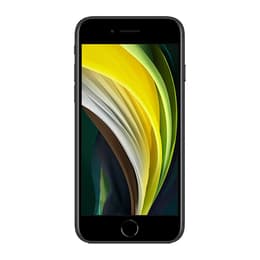
iPhone SE (2020)
iPhone SE (2020)
Starting at

Refurbished price:£67.00

Versus £289.00 new

See options

Ratings

The Samsung Galaxy S23 Plus, released in 2023, and the iPhone SE 2020, launched three years earlier, represent two very different approaches to smartphone design. While the Galaxy S23 Plus is a modern, large-format Android device with a focus on expansive screen space and multi-lens photography, the iPhone SE 2020 offers a compact, classic iOS experience with a physical home button. These devices cater to distinct user needs, ranging from those seeking the latest mobile technology to those who prefer a smaller, more traditional handset.

Scores

Durability

The age gap between these two models significantly impacts their expected software longevity and overall durability in a modern ecosystem.

  • Software Support: The Galaxy S23 Plus, being much newer, is scheduled to receive Android updates and security patches until approximately 2028, ensuring compatibility with the latest apps for several years. The iPhone SE 2020 is approaching the later stages of its official iOS update cycle, though Apple typically provides security support for older devices longer than many competitors.
  • Physical Build: The Galaxy S23 Plus features modern glass protection and high-grade water resistance, while the iPhone SE 2020 uses a design based on older hardware standards that, while durable, lacks the reinforced materials found in more recent releases.
  • Repairability: Both manufacturers have made strides in offering repair parts, though the simpler internal layout of the iPhone SE 2020 is often noted by technicians as being straightforward for common fixes like battery replacements.

Year of Release

2023

2020

Compatible with latest Update

Yes

Yes

OS

Android

iOS

Foldable

No

No

Performance

Performance levels differ greatly due to the generational gap, affecting how each device handles demanding tasks and daily multitasking.

  • System Responsiveness: The Galaxy S23 Plus handles intensive applications, high-end gaming, and complex multitasking with ease, showing no signs of slowing down during heavy use. The iPhone SE 2020 remains capable for standard tasks like messaging and browsing, but users may notice slower loading times when opening large files or switching between multiple active apps.
  • Battery Endurance: With a much larger physical footprint, the Galaxy S23 Plus provides enough power to last through a full day of heavy usage, including video streaming and navigation. The iPhone SE 2020 has a significantly smaller battery capacity, which often requires a mid-day charge for users who frequently use their phones for more than basic communication.
  • Memory Management: The Galaxy S23 Plus includes more system memory, allowing it to keep many apps open in the background simultaneously without refreshing, whereas the iPhone SE 2020 may close background apps more frequently to maintain system stability.

Memory (GB)

8 GB

3 GB

Screen quality

The viewing experience is perhaps the most immediate difference between these two smartphones, as they use fundamentally different display technologies and sizes.

  • Display Technology: The Galaxy S23 Plus uses an advanced OLED panel that produces deep blacks and high contrast, making it well-suited for watching movies or viewing photos. In contrast, the iPhone SE 2020 uses a traditional LCD screen, which offers natural colours but lacks the vibrant punch and true black levels found on the Samsung.
  • Smoothness and Motion: The Samsung device features a high refresh rate, resulting in very smooth scrolling and fluid animations throughout the interface. The iPhone SE 2020 operates at a standard refresh rate, which feels functional but lacks the extra smoothness found on more modern displays.
  • Outdoor Visibility: The Galaxy S23 Plus can reach much higher brightness levels, ensuring the screen remains clear even under direct sunlight, while the iPhone SE 2020 may be harder to read in very bright outdoor environments.

Resolution

1080 x 2340

750 x 1334

Screen type

Dynamic AMOLED 2X

Retina IPS LCD

Audiovisual

Photography and media capabilities highlight the evolution of mobile hardware between 2020 and 2023, particularly regarding lens versatility.

  • Camera Versatility: The Galaxy S23 Plus features a triple-lens system, including a dedicated zoom lens and an ultra-wide lens for capturing expansive landscapes. The iPhone SE 2020 relies on a single wide-angle lens, which takes high-quality photos in good lighting but lacks the ability to zoom in optically or capture wide-angle shots.
  • Low-Light Performance: Night-time photography is a strong point for the Galaxy S23 Plus, which uses modern processing to pull detail out of dark scenes. The iPhone SE 2020 lacks a dedicated night mode, meaning photos taken in dim environments often contain more grain and less detail.
  • Video and Audio: Both devices record high-quality video, but the Galaxy S23 Plus offers more advanced stabilisation and higher resolution options. For audio, the Samsung provides a more immersive stereo speaker experience compared to the more localised sound of the iPhone SE 2020.

Main camera

50 megapixels

12 megapixels

Front camera

12 megapixels

7 megapixels

Miscellaneous

Beyond the core specs, the physical handling and connectivity options define the daily user experience for both the Samsung and Apple devices.

  • Connectivity Standards: The Galaxy S23 Plus supports 5G networks for the fastest possible mobile data speeds, whereas the iPhone SE 2020 is limited to 4G LTE. This makes the Samsung more future-ready as 5G coverage continues to expand globally.
  • Biometrics and Security: Samsung utilises an ultrasonic fingerprint sensor hidden under the display for secure unlocking. The iPhone SE 2020 retains the classic Touch ID sensor built into the physical home button, which many users still find intuitive and reliable.
  • Physical Dimensions: The iPhone SE 2020 is significantly smaller and lighter, making it easy to use with one hand and fit into small pockets. The Galaxy S23 Plus is a much larger device, requiring two hands for some tasks but offering a much larger canvas for content.

Weight

196 g

148 g

Screen size (in)

6.6

4.7

Mobile network

5G

4G

SIM card

Dual Physical SIM + eSIM

Physical SIM + eSIM

Carrier compatibility

Unlocked

Unlocked

Connector

USB-C

Lightning

Choosing between the Galaxy S23 Plus and the iPhone SE 2020 involves weighing modern features against compact simplicity. User feedback on forums often praises the Galaxy S23 Plus for its exceptional battery life and stunning display, though some find its large size cumbersome for one-handed use. Conversely, the iPhone SE 2020 is frequently lauded for its portability and the familiarity of the home button, though users often mention the short battery life as a primary drawback in the current era of high-drain apps.

Users who prioritise a large, vibrant screen for media consumption, advanced photography options, and long-lasting battery performance will find the Galaxy S23 Plus aligns with their needs. On the other hand, users who prefer a small, lightweight phone that is easy to operate with one hand and who primarily use their device for basic communication may lean toward the iPhone SE 2020. Both devices remain functional choices depending on individual requirements for size and software ecosystem.

For those looking to make a sustainable choice, opting for a quality-assured refurbished option is an excellent way to access these technologies while reducing electronic waste. Whether choosing the feature-rich Samsung or the classic iPhone, selecting an eco-friendly alternative ensures a reliable experience that supports a more circular economy. Ultimately, the decision rests on whether you value the latest technological advancements or a tried-and-tested, compact design.

See all articles

Our recent comparisons