
Compare models
Galaxy S26 Ultra Vs iPhone 16 Plus
- 1-year minimum warranty
- Free delivery on all items
- Free 30-day returns
Differences at a glance
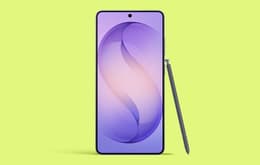
The Samsung Galaxy S26 Ultra (2026) and the Apple iPhone 16 Plus (2024) represent two distinct approaches to large-screen mobile computing within the smartphone market. While the Galaxy S26 Ultra runs on Android with extensive customization tools, the iPhone 16 Plus operates on iOS with a focus on streamlined integration. The primary differentiators between these two large devices include their software ecosystems, camera zoom versatility, and physical construction choices.
Available Models
Colour
Storage (GB)
Scores
Durability
Both devices are built for long-term usage, though their software update timelines and hardware durability features differ in practical application.
- Software Support Duration: The Galaxy S26 Ultra offers up to seven major operating system updates, while the iPhone 16 Plus typically receives software support spanning five to six years from its release date.
- Repairability and Build Toughness: Both models utilize robust aluminum framing and advanced protective glass layers, maintaining sturdy construction standards designed to withstand daily wear and tear over many years.
- Expected Practical Lifespan: Thanks to powerful internal components and prolonged manufacturer support, both smartphones are well-equipped to maintain reliable daily operation for extended multi-year cycles.
Year of Release
2026
2024
Compatible with latest Update
Yes
Yes
Foldable
No
No
Performance
Handling daily workflows, heavy multitasking, and demanding mobile games, both smartphones deliver smooth operational responsiveness through different hardware architectures.
- Processor and Multitasking: Both devices manage intensive applications, rapid app switching, and demanding gaming sessions effortlessly, supported by high-capacity memory configurations.
- Battery Behavior: Both models easily sustain a full day of mixed usage, though charging speeds and power management profiles vary slightly depending on individual daily habits.
- Storage Management: Both options offer generous internal storage tiers starting at baseline levels and scaling upward to accommodate large media libraries and offline files.
Screen quality
Viewing content outdoors or streaming media is handled through large, high-resolution panels that emphasize clarity and color accuracy.
- Display Technology: Both models utilize advanced organic light-emitting diode panels that produce deep contrast levels, sharp text rendering, and vivid color profiles.
- Outdoor Visibility: High peak brightness capabilities ensure that screens remain legible and clear even under direct sunlight or bright ambient lighting conditions.
- Refresh Rate Smoothness: The Galaxy S26 Ultra features a fluid adaptive refresh rate scaling up to high frequencies for scrolling, while the iPhone 16 Plus utilizes a standard fixed refresh rate.
Resolution
1440 x 3120
1290 x 2796
Audiovisual
Capturing memories and recording video relies on capable multi-lens configurations designed for various lighting scenarios.
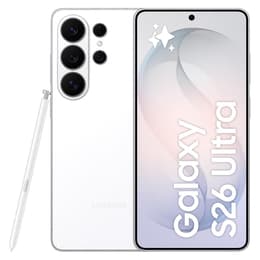
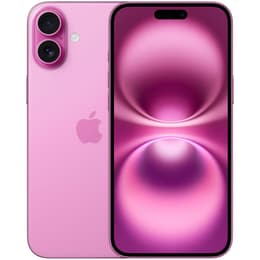
- Camera System Versatility: The Galaxy S26 Ultra features a multi-lens array including dedicated long-range telephoto options, whereas the iPhone 16 Plus relies on a streamlined dual-lens system with high-resolution main capture.
- Low-Light and Video Performance: Both devices process low-light scenes effectively to reduce grain, and both support stable high-definition video recording with clear audio capture.
- Media Consumption and Audio: Stereo speaker setups on both models deliver balanced sound output for hands-free calls, podcasts, and casual video viewing.
Front camera
12.0
12 megapixels
Miscellaneous
Physical handling, connectivity standards, and daily utility features shape how each device fits into routine user travel and work habits.
- Connectivity and Ports: Both models support modern fifth-generation cellular networks and fast wireless standards, utilizing standard reversible charging ports.
- Biometrics and Security: The Galaxy S26 Ultra provides both facial recognition and an in-display fingerprint sensor, while the iPhone 16 Plus relies primarily on secure facial scanning.
- Dimensions and Handling: The Galaxy S26 Ultra features a flatter, slightly wider chassis profile with integrated stylus support, whereas the iPhone 16 Plus presents a lighter, rounded aluminum profile.
Weight
214 g
199 g
Screen size (in)
6.9
6.7
Mobile network
5G
5G
SIM card
Physical SIM + eSIM
Physical SIM + eSIM
Carrier compatibility
Unlocked
Unlocked
Connector
USB-C
USB-C (USB 2)
What the community thinks
User feedback on community forums highlights distinct preferences for each device based on everyday habits. Owners of the Galaxy S26 Ultra frequently praise its versatile long-range zoom capabilities, stylus integration, and expansive screen workspace. Conversely, users of the iPhone 16 Plus often emphasize appreciation for its streamlined operating system, reliable battery endurance, and comfortable daily handling.
Users prioritizing deep customization, flexible multitasking tools, and advanced camera zoom will find the Galaxy S26 Ultra well-suited to their needs. Meanwhile, users who prefer a straightforward software interface, dependable battery life, and seamless ecosystem connectivity may lean toward the iPhone 16 Plus. For those looking at sustainable purchasing choices, opting for a quality-assured refurbished option provides an eco-friendly alternative that minimizes environmental impact without compromising performance quality.