Compare models
Galaxy S22 Ultra 5G Vs Galaxy S25 FE
- 1-year minimum warranty
- Free delivery on all items
- Free 30-day returns
Differences at a glance
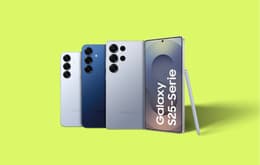
The Samsung Galaxy S22 Ultra 5G (2022) and the Samsung Galaxy S25 FE (2025) represent two distinct approaches to premium mobile technology, balancing legacy flagship design with contemporary mainstream hardware updates. While the Galaxy S22 Ultra 5G established itself as a top-tier productivity device complete with an integrated stylus, the Galaxy S25 FE arrives as a later-generation alternative focused on streamlined features and updated software longevity. Both devices operate on the Android platform with Samsung's custom interface, though they differ significantly in their physical footprint and hardware focus, making them suited to different daily requirements.
Available Models
Colour
Storage
Scores
Durability
When evaluating long-term utility and durability, these two devices offer different timelines driven by their respective release years and software support cycles.
- Software support lifecycle: The Galaxy S25 FE benefits from a later release date, offering extended operating system updates and security patches that stretch further into the future compared to the older Galaxy S22 Ultra 5G.
- Repairability and build integrity: Both models feature robust glass and metal construction with official water-resistance ratings, though finding replacement components for the older Galaxy S22 Ultra 5G may become easier or harder depending on regional service network shifts over time.
- Battery degradation: Both devices manage daily power demands effectively, but users opting for a quality-assured refurbished option of the Galaxy S22 Ultra 5G should consider that older batteries may have experienced more chemical aging than a newer Galaxy S25 FE unit.
Year of Release
2022
2025
Compatible with latest Update
Yes
Yes
OS
Android
Android
Foldable
No
No
Performance
Daily responsiveness, multitasking capabilities, and energy efficiency vary based on the internal components powering each smartphone.
- Multitasking and app switching: Both devices handle heavy applications, split-screen workflows, and demanding mobile games smoothly, though the newer processor inside the Galaxy S25 FE offers slightly better thermal efficiency during extended tasks.
- Storage configurations: Both models are available in multiple storage tiers without expandable memory support, requiring users to select their preferred capacity based on media storage habits.
- Battery behavior: The Galaxy S22 Ultra 5G features a larger physical battery to support its expansive screen, while the Galaxy S25 FE relies on newer, more power-efficient architecture to stretch daily battery life across mixed usage patterns.
Screen quality
Display characteristics differ notably between the two models in terms of size, shape, and visual presentation.
- Panel technology and sharpness: Both devices utilize vibrant OLED display technology yielding deep blacks, high contrast ratios, and sharp resolutions that render text and media with equal clarity.
- Brightness and outdoor visibility: Both screens reach high peak brightness levels, ensuring that menus, maps, and photos remain clearly legible under direct sunlight.
- Form factor and refresh rate: The Galaxy S22 Ultra 5G features a larger, curved screen with an integrated stylus silo and an adaptive high refresh rate, whereas the Galaxy S25 FE employs a flatter display panel designed for traditional touch navigation and smooth scrolling.
Audiovisual
Imaging capabilities and media consumption hardware cater to different photography styles and multimedia preferences.
- Camera lens versatility: The Galaxy S22 Ultra 5G includes a complex multi-lens setup featuring high-resolution main sensors and dedicated telephoto lenses for extended optical zoom, while the Galaxy S25 FE focuses on a streamlined triple-camera array geared toward everyday snapshots and reliable low-light processing.
- Video recording and stabilization: Both models capture stable video footage with high dynamic range, supporting high-resolution recording formats suitable for casual content creation or personal memories.
- Audio output: Stereo speaker configurations on both devices deliver clear sound for hands-free calls and media viewing, though neither includes a traditional headphone jack.
Miscellaneous
Physical dimensions, connectivity standards, and daily handling characteristics define the practical user experience of each handset.
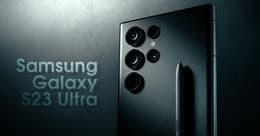
- Handling and ergonomics: The Galaxy S22 Ultra 5G is a larger, heavier device with sharp corner angles and integrated stylus housing, making it prominent in the hand and pocket, while the Galaxy S25 FE offers a more rounded, lightweight profile.
- Connectivity and sensors: Both smartphones support modern 5G cellular networks, high-speed Wi-Fi standards, Bluetooth connectivity, and biometric security features including under-display fingerprint sensors and facial recognition.
- Physical ports: Both models utilize standard USB-C ports for charging and data transfer, aligning with current industry accessory ecosystems.
Weight
167 g
190 g
Screen size (in)
6.8
6.7
Mobile network
5G
5G
SIM card
Dual Physical SIM + eSIM
Physical SIM + eSIM
Carrier compatibility
Unlocked
Unlocked
Connector
USB-C
USB-C
What the community thinks
Choosing between the Samsung Galaxy S22 Ultra 5G and the Galaxy S25 FE depends largely on individual hardware preferences and daily workflow priorities. Users prioritizing expansive screen real estate, integrated stylus functionality, and advanced multi-lens zoom capabilities will find the Galaxy S22 Ultra 5G well-suited to their needs. Conversely, users who prefer a flatter display surface, lighter handling, and a longer remaining software support window may lean toward the Galaxy S25 FE. Those seeking an eco-friendly alternative can explore quality-assured refurbished options for either model to extend device lifecycles while making a sustainable choice. Ultimately, evaluating how each device fits into daily routines—whether for productivity or media consumption—will guide the final decision without relying on unnecessary metrics.