
Compare models

iPhone 15 Pro Max Vs iPhone 17e

  • 1-year minimum warranty
  • Free delivery on all items
  • Free 30-day returns
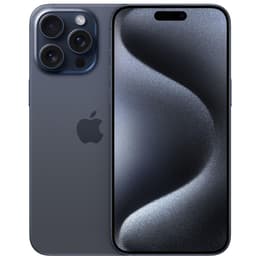
iPhone 15 Pro Max
Starting at

Refurbished price:£479.00

Versus £1,199.00 new

See options
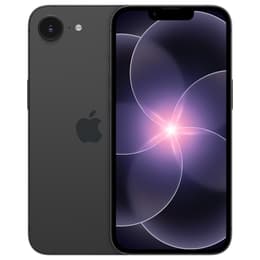
iPhone 17e
Starting at

Refurbished price:£585.00

Versus £699.00 new

See options

Differences at a glance

The iPhone 15 Pro Max (2023) and the iPhone 17e (2026) represent different approaches to Apple's smartphone lineup, contrasting a large-format flagship model with a newer, streamlined device. While both run on modern software ecosystems, they diverge significantly in physical size, camera versatility, and internal hardware generations.

Understanding these practical differences helps determine which model aligns best with your daily routine and communication needs.

Available Models

Colour

Storage (GB)

Scores

Durability

Both smartphones provide robust build quality and multi-year software longevity, though their release timelines and hardware architectures result in distinct support horizons.

  • Release Timeline and Software Support: The iPhone 15 Pro Max launched in late 2023, while the iPhone 17e debuted in early 2026, granting the newer model an extended software update window.
  • Repairability and Build Longevity: Both devices feature durable glass-and-metal construction with high-level water resistance, and each maintains standardized repair paths supported by accessible component replacement options.
  • Expected Practical Lifespan: Users can expect extended daily usability from both handsets, though the newer processor architecture in the iPhone 17e allows it to retain modern system responsiveness further into the future.

Year of Release

2023

2026

OS

iOS

iOS

Foldable

No

No

Performance

System responsiveness and power management vary due to the generational gap in internal hardware between the large-format flagship and the streamlined alternative.

  • Storage and Multitasking: Both models offer generous baseline storage capacities paired with ample system memory, ensuring smooth switching between multiple active applications.
  • Everyday Execution and Gaming: Demanding games, complex navigation tools, and resource-heavy software load quickly and run smoothly on both devices, benefit from efficient thermal handling and responsive processing architecture.
  • Battery Behavior: The larger physical footprint of the iPhone 15 Pro Max houses a high-capacity battery suited for extensive media playback, while the iPhone 17e utilizes modern power-efficiency gains to maintain reliable day-to-day endurance.

Screen quality

Display characteristics define the primary visual interaction difference, balancing a sprawling canvas against a compact, highly portable viewing area.

  • Display Technology: Both models utilize vibrant OLED panels that deliver deep black levels, high contrast ratios, and sharp text rendering for comfortable reading and media consumption.
  • Size and Viewing Experience: The iPhone 15 Pro Max provides a larger 6.7-inch screen suited for split-screen tasks and expansive video viewing, whereas the iPhone 17e features a more pocket-friendly 6.1-inch display.
  • Outdoor Visibility: High peak brightness levels on both screens ensure that content remains legible under direct sunlight, while adaptive clarity features adjust automatically to varying ambient lighting conditions.

Resolution

1290 x 2796

2532 x 1170

Audiovisual

Optics and acoustic performance highlight the functional divide between a multi-lens flagship configuration and a simplified, single-lens setup.

  • Camera System Capabilities: The iPhone 15 Pro Max features a flexible triple-lens array including a dedicated optical zoom lens, while the iPhone 17e relies on a versatile primary wide sensor supplemented by advanced computational photography.
  • Media and Audio Recording: Both devices capture detailed high-resolution video with stabilization features, and incorporate multi-microphone arrays that deliver clear audio during calls and video capture.
  • Speaker Output: Integrated stereo speaker systems on both smartphones provide balanced sound delivery suitable for hands-free calls, podcasts, and casual video viewing without external accessories.

Front camera

12 megapixels

12 megapixels

Miscellaneous

Physical handling, connectivity standards, and daily convenience features shape the tactile experience of carrying and using each smartphone.

  • Connectivity and Ports: Both models feature modern 5G cellular capabilities, secure face recognition sensors, and universal USB-C ports for charging and data transfer.
  • Handling and Dimensions: The iPhone 15 Pro Max uses a lightweight titanium chassis that reduces weight despite its large footprint, whereas the iPhone 17e offers a lighter, narrower slate design that is easier to operate with one hand.
  • Build Materials: Premium textured glass backs and reinforced frame construction provide a secure grip and everyday resilience against accidental drops and scratches.

Weight

221 g

169 g

Screen size (in)

6.7

6.1

Mobile network

5G

5G

SIM card

Physical SIM + eSIM

eSIM

Carrier compatibility

Unlocked

Unlocked

Connector

USB-C

USB-C (USB 2)

What the community thinks

Real-world user feedback indicates that owners of the iPhone 15 Pro Max frequently praise its expansive display canvas, versatile zoom photography, and large battery capacity, though some note that its physical dimensions can feel heavy during prolonged one-handed use. Conversely, users of the iPhone 17e highlight its comfortable handling, modern processing efficiency, and streamlined feature set, while pointing out the absence of a dedicated optical zoom lens as a limitation for distant photography.

Users prioritizing a large viewing area and multi-lens camera flexibility will find the iPhone 15 Pro Max well-suited to their daily routines, while users who prefer a lighter, more compact device with current-generation internals may lean toward the iPhone 17e. For those exploring sustainable purchasing alternatives, a quality-assured refurbished option provides a reliable, eco-friendly way to acquire either model without compromising on performance standards.