
Galaxy A16 5G Vs iPhone 14

Galaxy A16 5G
Galaxy A16 5G
Starting at

Refurbished price:£103.00

Versus £205.87 new

See options
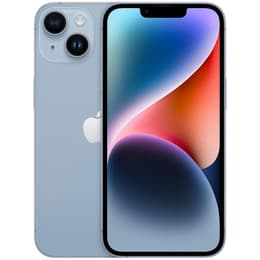
iPhone 14
iPhone 14
Starting at

Refurbished price:£235.00

Versus £599.00 new

See options

Ratings

The Samsung Galaxy A16 5G (2024) and the Apple iPhone 14 (2022) represent two distinct approaches to the modern smartphone experience. While the Galaxy A16 5G is a contemporary entry-level device designed for longevity and large-screen utility, the iPhone 14 remains a powerful, compact former flagship that continues to offer high-end features. These devices operate on different ecosystems—Android with Samsung's One UI and Apple's iOS—meaning the choice often depends as much on software preference as it does on physical hardware capabilities.

Despite being released two years apart, both handsets aim to provide a reliable daily experience for their respective users. The Galaxy A16 5G focuses on providing a expansive display and an unusually long software support window for its category, while the iPhone 14 prioritises a refined, high-performance experience in a more pocket-friendly form factor. Understanding the practical trade-offs between these two models is essential for anyone looking to balance modern features with long-term usability.

Scores

Durability

When evaluating how long these devices will remain functional and secure, both manufacturers have made significant commitments to software longevity and hardware resilience.

  • Software Support: The Galaxy A16 5G introduces a remarkable six-year update policy, meaning it is scheduled to receive security patches and operating system upgrades until 2030. In contrast, the iPhone 14, despite being older, benefits from Apple's historically long support cycles, typically receiving updates for six to seven years from its 2022 launch, likely seeing support until 2028 or 2029.
  • Build and Repairability: The iPhone 14 features a glass and aluminium construction with Ceramic Shield protection, which offers high resistance to drops and scratches. The Galaxy A16 5G utilises a reinforced plastic build that is lighter and less prone to shattering than glass, though it may show surface wear more easily over time. Both brands have expanded their self-service repair programmes, making it easier for users to find replacement parts for screens or batteries.
  • Practical Lifespan: Users can expect both devices to perform reliably for several years. The iPhone 14's high-quality internal components ensure it stays fast as software becomes more demanding, while the Galaxy A16 5G's newer release date and extended update promise make it a strong candidate for those who intend to keep their phone for the maximum possible duration.

Year of Release

2024

2022

Compatible with latest Update

Yes

Yes

OS

Android

iOS

Foldable

No

No

Performance

Performance differences between these two handsets are most noticeable when moving from basic daily tasks to more demanding applications like high-definition gaming or video editing.

  • System Responsiveness: The iPhone 14 provides a consistently fluid experience, handling intensive multitasking and heavy apps without hesitation. The Galaxy A16 5G is well-suited for everyday activities such as web browsing, social media, and streaming, though users may notice slight pauses when switching between many open applications or during complex processing tasks.
  • Battery Endurance: Equipped with a large 5,000mAh battery, the Galaxy A16 5G is designed to last through two days of moderate use, making it ideal for travellers or those away from chargers. The iPhone 14 has a smaller battery but benefits from highly efficient software integration, typically lasting a full day for most users, though heavy users may find themselves reaching for a cable by the evening.
  • Storage and Multitasking: Both devices generally start with 128GB of internal storage, providing ample space for photos and apps. The iPhone 14 manages memory very efficiently to keep background tasks ready, while the Galaxy A16 5G relies on its modern architecture to ensure that standard productivity tools run smoothly for the average user.

Memory (GB)

4 GB

6 GB

Screen quality

The viewing experience is one of the most significant points of divergence, as these devices cater to very different visual preferences regarding size and smoothness.

  • Display Technology and Size: The Galaxy A16 5G features a large 6.7-inch Super AMOLED display, offering a vast canvas for watching videos or reading. The iPhone 14 uses a 6.1-inch Super Retina XDR OLED screen, which is more compact and easier to use with one hand, while providing exceptional colour accuracy and deep blacks for a cinematic feel.
  • Motion and Clarity: A standout feature of the Galaxy A16 5G is its 90Hz refresh rate, which makes scrolling through lists and navigating the interface feel smoother than the standard 60Hz screen on the iPhone 14. However, the iPhone 14 compensates with higher peak brightness, making the screen significantly easier to read when used outdoors under direct sunlight.
  • Visual Comfort: Both screens offer features to reduce blue light and adjust warmth based on the time of day. The iPhone 14's display is known for its natural-looking tones, while the Galaxy A16 5G provides the vibrant, high-contrast look that is characteristic of modern AMOLED panels, making images appear punchy and clear.

Resolution

1080 x 2340

1170 x 2532

Screen type

Super AMOLED

Super Retina XDR OLED

Audiovisual

While both phones can capture high-quality memories, their camera systems are tuned for different types of photography and video needs.

  • Photo Versatility: The Galaxy A16 5G employs a triple-camera setup, including a dedicated macro lens for close-up shots and an ultra-wide lens for landscapes. The iPhone 14 uses a dual-camera system that focuses on quality over quantity, delivering highly consistent results with excellent dynamic range and natural skin tones across various lighting conditions.
  • Video and Low Light: The iPhone 14 is widely recognised for its superior video recording, offering advanced stabilisation and the ability to capture high-detail footage even in dim environments. While the Galaxy A16 5G performs admirably in bright daylight, it may produce more grain and less detail when taking photos or videos at night compared to the iPhone's more advanced sensor processing.
  • Audio and Media: For media consumption, the iPhone 14 features balanced stereo speakers that provide a wide soundstage. The Galaxy A16 5G typically relies on a single speaker or a less robust stereo arrangement, though it provides clear audio for calls and voice messages. Microphone quality on the iPhone 14 is particularly well-regarded for filtering out background noise during recordings.

Main camera

50 megapixels

12 megapixels

Front camera

13 megapixels

12 megapixels

Miscellaneous

Practical design choices and connectivity options play a major role in how these devices fit into a user's daily routine and existing tech ecosystem.

  • Connectivity and Ports: Both handsets support 5G for fast mobile data and include modern Wi-Fi and Bluetooth standards. A key difference is the physical port: the Galaxy A16 5G uses the universal USB-C standard, while the iPhone 14 uses the Lightning port. This means the Galaxy model is more likely to be compatible with modern laptop and tablet chargers.
  • Security and Biometrics: The iPhone 14 utilises FaceID, a secure facial recognition system that works even in the dark. The Galaxy A16 5G features a fingerprint sensor integrated into the power button on the side, which many users find convenient for unlocking the device as they pick it up from a table.
  • Dimensions and Handling: The Galaxy A16 5G is a larger, heavier device, which may be a challenge for those with smaller hands but is preferred by those who want more screen space. The iPhone 14 is notably lighter and slimmer, making it one of the more comfortable devices to carry in a pocket or use for extended periods without hand fatigue.

Weight

200 g

172 g

Screen size (in)

6.7

6.1

Mobile network

5G

5G

SIM card

Dual Physical SIM

Physical SIM + eSIM

Carrier compatibility

Unlocked

Unlocked

Connector

USB-C

Lightning

In summary, the choice between the Galaxy A16 5G and the iPhone 14 depends largely on what a user values most in their daily mobile experience. According to user discussions on various tech forums, the Galaxy A16 5G is frequently praised for its impressive battery life and the sheer size of its display, which makes it a favourite for media consumption. However, some users note that its larger footprint can be cumbersome. The iPhone 14 receives consistent acclaim for its reliable performance, compact size, and exceptional video quality, though some users mention that the 60Hz screen feels less fluid than newer high-refresh-rate alternatives.

Users who prioritise a large screen for reading, a battery that can last through a weekend trip, and the longest possible software support window will find the Galaxy A16 5G well-suited to their needs. Conversely, users who prefer a compact device that excels in photography, offers a smooth and powerful interface for gaming, and integrates seamlessly with other Apple products will likely lean toward the iPhone 14. Choosing a quality-assured refurbished option for either of these models is an excellent way to acquire a high-performing device while making a sustainable choice for the environment. Ultimately, both phones are capable tools that offer distinct advantages depending on whether you value expansive utility or refined portability.
See all articles

Our recent comparisons