Galaxy A16 5G Vs iPhone 13

Galaxy A16 5G
Galaxy A16 5G
Starting at

Refurbished price:£103.00

Versus £205.87 new

See options
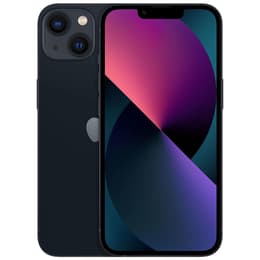
iPhone 13
iPhone 13
Starting at

Refurbished price:£204.00

Versus £599.00 new

See options

Ratings

The Samsung Galaxy A16 5G, released in late 2024, and the Apple iPhone 13, launched in 2021, represent two different approaches to the modern smartphone experience. While the Galaxy A16 5G is a more recent entry focusing on a large display and modern connectivity, the iPhone 13 remains a popular choice for those who prefer a compact design and a well-established ecosystem. These devices cater to different user needs, with the Samsung offering a newer Android experience and the Apple device providing a high-performance environment that has aged gracefully since its debut.

Both smartphones run on their respective latest operating systems, with the Galaxy A16 5G utilizing Android and the iPhone 13 running iOS. The primary differentiators lie in the physical size of the devices and the intended longevity of their software support, making this a comparison between a modern, large-format device and a classic, compact powerhouse.

Scores

Durability

The Galaxy A16 5G and iPhone 13 offer different perspectives on longevity, influenced by their release dates and manufacturer support policies.

  • Software Support: The Galaxy A16 5G benefits from a modern commitment to six years of security and operating system updates, potentially keeping the device current until 2030. The iPhone 13, while older, follows a tradition of long-term support, though it is naturally closer to the end of its update cycle than the newer Samsung.
  • Physical Build and Resistance: The iPhone 13 features a glass and aluminium construction with a high water and dust resistance rating, allowing it to withstand accidental submersion. The Galaxy A16 5G uses a plastic build with a more modest resistance rating, which protects against splashes but is not designed for full immersion.
  • Repairability: Both manufacturers have made strides in making parts available for repairs. The iPhone's internal layout is often cited as more complex for repairs compared to the more straightforward assembly found in the Galaxy A-series, which can impact the ease of long-term maintenance.

Year of Release

2024

2021

Compatible with latest Update

Yes

Yes

OS

Android

iOS

Foldable

No

No

Performance

When comparing everyday responsiveness, these two devices handle multitasking and applications with distinct characteristics based on their internal hardware.

  • System Fluidity: The iPhone 13 is known for its consistent smoothness, handling demanding apps and video editing with ease even years after its release. The Galaxy A16 5G provides a reliable experience for standard tasks like social media, browsing, and streaming, though it may show slight pauses when switching between many heavy applications simultaneously.
  • Battery Endurance: With a large internal battery capacity, the Galaxy A16 5G is designed to last through a full day of heavy use, often stretching into a second day for light users. The iPhone 13 has a smaller battery but benefits from highly efficient software, typically requiring a nightly charge for most active users.
  • Storage Flexibility: The Galaxy A16 5G includes a slot for memory expansion, allowing users to add more space for photos and files later. The iPhone 13 relies on fixed internal storage, meaning users must decide on their capacity needs at the time of purchase as it cannot be upgraded later.

Memory (GB)

4 GB

4 GB

Screen quality

The viewing experience differs significantly between these two models, primarily in terms of physical size and how smoothly motion appears on the screen.

  • Display Technology: The Galaxy A16 5G features a large 6.7-inch Super AMOLED screen that offers deep blacks and a 90Hz refresh rate, making scrolling through menus and websites feel fluid. The iPhone 13 uses a 6.1-inch OLED display, which provides excellent colour accuracy and high peak brightness for visibility in direct sunlight.
  • Size and Handling: Users who enjoy watching videos or playing games may prefer the expansive canvas of the Galaxy A16 5G. Conversely, the iPhone 13 is much easier to use with one hand, fitting comfortably in smaller pockets while still delivering a sharp, high-resolution image for all types of content.
  • Visual Clarity: Both devices offer high-definition resolutions that make text look crisp and images detailed. The iPhone's display is often noted for its natural colour reproduction, while the Samsung display is praised for its vibrant tones and smooth motion during animations.

Resolution

1080 x 2340

1170 x 2532

Screen type

Super AMOLED

Super Retina XDR OLED

Audiovisual

Photography and media consumption are central to both devices, with each offering a different set of tools for capturing memories and enjoying content.

  • Camera Versatility: The Galaxy A16 5G utilises a triple-camera system, including a dedicated lens for close-up photography. The iPhone 13 features a dual-camera setup that prioritises the quality of the main and ultra-wide sensors, consistently producing balanced images with natural skin tones and excellent detail.
  • Video Capabilities: The iPhone 13 is widely recognised for its stable video recording and features like Cinematic mode, which adds a professional-looking focus effect to videos. The Galaxy A16 5G captures clear video for social sharing but lacks some of the advanced stabilisation and processing found in the Apple device.
  • Audio Experience: Both phones have moved away from the traditional headphone jack, requiring wireless or adapter-based connections. The iPhone 13 features stereo speakers that provide a full, balanced sound for movies, while the Galaxy A16 5G offers a clear but less immersive audio output through its speaker system.

Main camera

50 megapixels

12 megapixels

Front camera

13 megapixels

12 megapixels

Miscellaneous

Beyond the core specifications, the physical design and connectivity options play a major role in how these phones feel in daily life.

  • Connectivity and Ports: The Galaxy A16 5G uses the universal USB-C standard for charging and data transfer, which is compatible with most modern electronics. The iPhone 13 uses the Lightning port, which requires specific cables often found within the Apple ecosystem.
  • Biometrics and Security: For unlocking the device, the Galaxy A16 5G employs a fingerprint sensor integrated into the power button on the side. The iPhone 13 uses FaceID, a sophisticated facial recognition system that works even in low light to secure the device and authorise digital payments.
  • Weight and Materials: The iPhone 13 feels denser and more compact due to its metal frame and glass back. The Galaxy A16 5G is lighter for its size because of its plastic construction, making it less fatiguing to hold during long video calls or extended reading sessions.

Weight

200 g

173 g

Screen size (in)

6.7

6.1

Mobile network

5G

5G

SIM card

Dual Physical SIM

Physical SIM + eSIM

Carrier compatibility

Unlocked

Unlocked

Connector

USB-C

Lightning

User feedback from various community forums highlights the practical trade-offs between these two smartphones. The Galaxy A16 5G is frequently praised for its impressive battery life and the smoothness of its 90Hz display, which many find surprising for its category. However, some users note that the plastic build feels less robust than metal alternatives. The iPhone 13 continues to receive acclaim for its reliable performance and exceptional video quality, though long-term users occasionally mention that the 60Hz screen feels less fluid compared to modern high-refresh-rate displays found on newer models.

Users who prioritise a large screen for media consumption and the flexibility of expandable storage will find the Galaxy A16 5G well-suited to their needs. It is an ideal choice for those who want a modern device with a long-term update guarantee. On the other hand, users who prefer a compact, premium-feeling device with high-end video recording and a seamless ecosystem experience may lean toward the iPhone 13. Choosing a quality-assured refurbished option for either model is a sustainable choice that helps reduce electronic waste while providing a reliable smartphone experience. Ultimately, the decision rests on whether you value the latest connectivity and screen size or a proven, high-performance compact flagship.


See all articles

Our recent comparisons