
Galaxy A26 Vs Galaxy A36

Galaxy A26
Galaxy A26
Starting at

Refurbished price:£152.00

Versus £419.55 new

See options
Galaxy A36
Galaxy A36
Starting at

Refurbished price:£206.00

Versus £369.00 new

See options

Ratings

The Samsung Galaxy A26 and Galaxy A36, both released in March 2025, are mid-range Android smartphones from Samsung's A-series. While they share a similar design philosophy and commitment to long-term software support, the Galaxy A36 introduces enhancements in display technology, processing power, and charging capabilities that differentiate it from the Galaxy A26.

Scores

Durability

Both the Galaxy A26 and Galaxy A36 were launched in March 2025, making them relatively new devices in the smartphone market. Samsung has committed to providing extensive software support for both models, ensuring a prolonged practical lifespan.

  • Software Longevity: Both devices are promised to receive six major Android operating system upgrades and six years of security updates, extending their software support until March 2031. This commitment means users can expect a consistent and secure software experience for many years.
  • Build Durability: Both the Galaxy A26 and Galaxy A36 feature Gorilla Glass Victus+ on the front and back, offering enhanced protection against scratches and drops. They also carry an IP67 rating for dust and water resistance, indicating they can withstand immersion in up to one meter of fresh water for 30 minutes.
  • Repairability: The Galaxy A26 has a reported repairability score of 9 out of 10, suggesting it is relatively straightforward to repair. The Galaxy A36 also demonstrates good repairability with a score of 8.4 out of 10.

Year of Release

2024

2025

OS

Android

Android

Foldable

No

No

Performance

The internal components of the Galaxy A26 and Galaxy A36 offer different levels of responsiveness and capability for daily tasks and more demanding applications.

  • Processing Power: The Galaxy A26 is powered by an Exynos 1380 processor (or Exynos 1280 in some regions), which provides smooth performance for everyday use and general tasks. Users may experience minor delays when multitasking heavily or switching between numerous applications. The Galaxy A36 features a Snapdragon 6 Gen 3 processor, which generally offers a slightly more responsive experience, particularly for sustained performance and more intensive applications.
  • Multitasking and Storage: Both models offer configurations with 6GB or 8GB of RAM, with the Galaxy A36 also having a 12GB RAM option, which can contribute to smoother multitasking with many apps open simultaneously. Both devices come with 128GB or 256GB of internal storage. The Galaxy A26 supports expandable storage via a microSD card, while information regarding microSD support for the Galaxy A36 is conflicting, with some sources indicating it lacks this feature.
  • Battery Behavior: Both smartphones are equipped with a 5000mAh battery, designed to provide a full day of use for most users. The Galaxy A36 supports faster 45W wired charging, allowing it to recharge more quickly than the Galaxy A26, which supports 25W charging.

Memory (GB)

8 GB

6 GB

Screen quality

Both the Galaxy A26 and Galaxy A36 feature large, vibrant displays, but there are distinctions in their visual presentation and overall viewing experience.

  • Display Technology and Clarity: Both phones utilize a 6.7-inch Super AMOLED display with Full HD+ resolution, providing rich colors and deep blacks. The Galaxy A36's display offers a peak brightness of 1200 nits, making it noticeably brighter and more comfortable to view in direct sunlight compared to the Galaxy A26, which reaches up to 1000 nits peak brightness.
  • Refresh Rate and Smoothness: Both devices boast a 120Hz refresh rate, contributing to smoother scrolling and more fluid animations. The Galaxy A36's refresh rate is adaptive, meaning it can adjust dynamically to save battery life, whereas the Galaxy A26's refresh rate is either fixed at 60Hz or 120Hz.
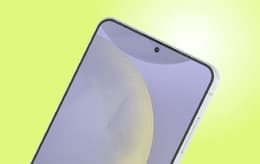
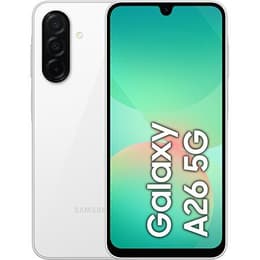
  • Design and Viewing Experience: The Galaxy A36 features a hole-punch cutout for its front camera and generally thinner bezels, offering a more expansive screen-to-body ratio. The Galaxy A26, in contrast, uses an Infinity-U display design, which incorporates a notch for the front camera.

Resolution

1080 x 2340

1080 x 2340

Audiovisual

The camera systems on the Galaxy A26 and Galaxy A36 are designed to capture a variety of moments, with some differences in their capabilities and output.

  • Rear Camera System: Both phones are equipped with a triple rear camera setup, including a 50MP main sensor with optical image stabilization (OIS), an 8MP ultrawide lens, and a 2MP or 5MP macro camera. The main camera on both devices performs well in good lighting conditions, capturing detailed images.
  • Low-Light and Video Performance: In low-light conditions, the Galaxy A36's camera performance has been noted as less impressive compared to its main camera's daylight capabilities. The Galaxy A26's low-light performance is described as satisfactory, though it may struggle to properly light photos. For video recording, both phones can capture 4K video at 30 frames per second with their main rear cameras. The Galaxy A36 offers video stabilization at 4K resolution, and its front camera can record 4K selfie videos, a feature not available on the Galaxy A26.
  • Front Camera: The Galaxy A26 features a 13MP front camera, capable of taking decent selfies and recording 1080p video at 30 frames per second. The Galaxy A36 comes with a 12MP front camera, which also produces good selfies and has the added capability of 4K video recording.

Front camera

13 megapixels

12

Miscellaneous

Beyond core specifications, several practical features and design elements contribute to the overall user experience of these two Samsung smartphones.

  • Connectivity and Ports: Both the Galaxy A26 and Galaxy A36 support 5G connectivity, ensuring access to faster mobile networks. They both feature a USB Type-C port for charging and data transfer. The Galaxy A26 includes a microSD card slot for expandable storage, which some sources indicate is absent on the Galaxy A36.
  • Audio and Biometrics: The Galaxy A36 is equipped with stereo speakers, providing a more immersive audio experience for media consumption. The Galaxy A26, however, features a single bottom-firing speaker. For security, the Galaxy A36 incorporates an optical under-display fingerprint sensor, while the Galaxy A26 uses a side-mounted fingerprint sensor integrated into the power button.
  • Design and Handling: The Galaxy A36 is slightly thinner and lighter than the Galaxy A26, measuring 7.4mm thick and weighing 195g, compared to the A26's 7.7mm thickness and 200g weight. Both phones feature a plastic frame, but the Galaxy A36's design includes a hole-punch display and potentially slimmer bezels, contributing to a more modern aesthetic.

Weight

197 g

195 g

Screen size (in)

6.5

6,74

Mobile network

5G

5G

SIM card

Dual Physical SIM

Dual Physical SIM + eSIM

Carrier compatibility

Unlocked

Unlocked

Connector

USB-C

USB-C

User feedback for the Samsung Galaxy A26 often praises its robust software support, durable build with Gorilla Glass Victus+ and IP67 rating, and its bright AMOLED display. Some common criticisms include its mono speaker, the absence of a headphone jack, and battery life that, while adequate, may not extend significantly beyond a single day for heavy users. The processor, while capable for daily tasks, can show some limitations with intensive multitasking.

The Samsung Galaxy A36 is frequently lauded for its brighter display, faster charging capabilities, and the inclusion of stereo speakers, which enhance the multimedia experience. Its Snapdragon processor generally offers a smoother performance. However, some users have noted that its camera performance in low light could be improved, and there is conflicting information regarding the presence of a microSD card slot.

Users prioritizing a highly repairable device with expandable storage and a slightly more budget-friendly approach to core features may find the Galaxy A26 well-suited to their needs. Conversely, those who value a brighter display, faster charging, stereo audio, and a more modern screen design with potentially smoother performance will likely lean toward the Galaxy A36. Both devices offer a long software support lifespan, making them suitable for users seeking a durable and future-proof smartphone. For those considering a sustainable choice, opting for a quality-assured refurbished option of either model can provide an eco-friendly alternative.

See all articles

Our recent comparisons