Galaxy S20 5G Vs iPhone 14

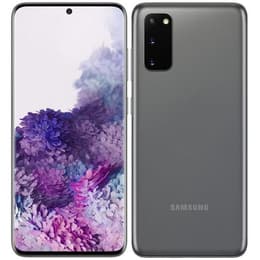
Galaxy S20 5G
Galaxy S20 5G
Starting at

Refurbished price:£132.00

Versus £899.00 new

See options
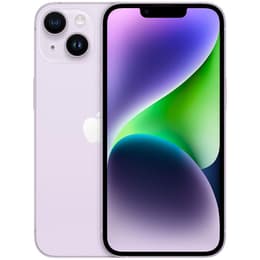
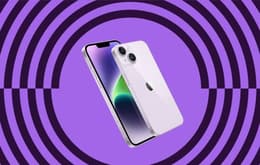
iPhone 14
iPhone 14
Starting at

Refurbished price:£229.00

Versus £599.00 new

See options

Ratings

The Samsung Galaxy S20 5G, released in early 2020, and the Apple iPhone 14, launched in late 2022, represent two distinct approaches to the flagship smartphone experience. While the Galaxy S20 5G was a pioneer in introducing high-speed 5G connectivity and fluid display technology to a wider audience, the iPhone 14 arrived two years later with a focus on refined internal efficiency and long-term software stability. These devices cater to different user preferences, primarily defined by their operating systems—Android for the Samsung and iOS for the Apple—which influence everything from customisation options to how the devices interact with other electronics.

A primary differentiator between these two models is the balance between hardware versatility and software longevity. The Galaxy S20 5G offers a more flexible camera system and a high-refresh-rate screen, whereas the iPhone 14 prioritises a consistent user experience and a significantly longer window of official support. Understanding these core differences is essential for users deciding between a seasoned high-end Android device and a more recent standard iPhone model.

Scores

Durability

When evaluating how long these devices will remain functional and secure, the two-year age gap between them plays a significant role in their expected software lifespans.

  • Software Support and Updates: The iPhone 14 benefits from Apple's long-term update policy, with expectations for major iOS versions and security patches to continue until at least 2027 or 2028. In contrast, the Galaxy S20 5G has already moved past its window for major Android operating system upgrades, meaning it will no longer receive the latest interface features, though it may still receive occasional security maintenance for a limited time.
  • Hardware Resilience and Repair: Both smartphones feature glass and metal constructions that require careful handling, though the iPhone 14 uses a specific ceramic-infused glass designed to better resist cracks from accidental drops. Repairability for both is standard for modern smartphones, with widely available components for screen and battery replacements, though the Galaxy S20 5G's older internal layout can sometimes make certain component repairs more intricate for technicians.
  • Practical Lifespan: Users can expect the iPhone 14 to remain relevant for several more years due to its more recent internal architecture. The Galaxy S20 5G, while still capable today, is entering the final stage of its functional life for users who require the most up-to-date software and security protocols.

Year of Release

2020

2022

Compatible with latest Update

No

Yes

OS

Android

iOS

Foldable

No

No

Performance

Performance on these devices is handled differently, with the Samsung relying on high raw specifications and the iPhone focusing on deep integration between its hardware and software.

  • Multitasking and Responsiveness: The Galaxy S20 5G is equipped with a high amount of temporary memory (RAM), which allows it to keep many applications open simultaneously without closing them. However, the iPhone 14, despite having less physical memory, uses a highly efficient internal architecture that ensures apps launch quickly and the interface remains fluid even under heavy workloads like video editing or high-end mobile gaming.
  • Battery Behaviour: In daily use, the Galaxy S20 5G features a larger physical battery capacity, but its high-refresh-rate screen can consume power more rapidly. The iPhone 14 manages its power consumption through a more modern and efficient processor, often resulting in more consistent battery life throughout a full day of mixed usage, such as browsing, social media, and navigation.
  • Storage and Efficiency: Both devices offer various storage capacities to house photos and apps, but the iPhone 14's file system is designed to maintain high speeds even as the storage fills up. The Galaxy S20 5G remains responsive for everyday tasks, though users may notice a slight decrease in speed when handling the very latest, most demanding applications compared to the newer iPhone.

Memory (GB)

12 GB

6 GB

Screen quality

The viewing experience differs significantly between these two models, particularly regarding how smoothly motion is rendered on the display.

  • Display Technology and Fluidity: The Galaxy S20 5G features a display capable of a 120Hz refresh rate, which means the image updates twice as fast as a standard screen. This results in exceptionally smooth scrolling and animations. The iPhone 14 uses a standard 60Hz OLED display, which, while vibrant and sharp, does not offer the same level of fluid motion when moving through menus or lists.
  • Clarity and Brightness: Both phones utilise OLED technology, providing deep blacks and high contrast ratios that make movies and photos look lifelike. The Galaxy S20 5G offers a higher pixel density, providing slightly more detail for close-up viewing, while the iPhone 14 is designed with high peak brightness levels that ensure the screen remains easily readable even under direct sunlight during outdoor use.
  • Size and Ergonomics: The Galaxy S20 5G has a slightly taller and narrower aspect ratio, making it comfortable for one-handed use despite its generous screen size. The iPhone 14 maintains a more traditional shape that provides a balanced viewing area for wide-format video content, though it lacks the curved edges found on the Samsung model.

Resolution

1440 x 3200

1170 x 2532

Screen type

Dynamic AMOLED 2X

Super Retina XDR OLED

Audiovisual

While both devices take excellent photographs, they offer different tools for capturing images and video in various environments.

  • Lens Versatility and Zoom: The Galaxy S20 5G includes a dedicated telephoto lens, allowing users to zoom in on distant subjects with more clarity than a standard digital zoom. The iPhone 14 lacks a dedicated zoom lens, instead relying on its main and ultra-wide sensors. However, the iPhone 14 is often praised for its natural colour reproduction and consistent performance across both of its lenses.
  • Video and Low-Light Performance: For video recording, the iPhone 14 is widely regarded for its stability and smooth transitions between lighting conditions. It also features advanced processing that helps capture clear images in dark environments. The Galaxy S20 5G is also capable in low light, though it may sometimes apply more aggressive smoothing to images to reduce visual noise, which can result in a loss of fine detail.
  • Audio and Media Capture: Both devices feature high-quality microphones that filter out background noise during calls or video recording. The speaker systems on both are clear and loud enough for media consumption, though the iPhone 14 tends to offer a slightly fuller sound profile with more noticeable bass for music and film dialogue.

Main camera

12 megapixels

12 megapixels

Front camera

10 megapixels

12 megapixels

Miscellaneous

Beyond the core specifications, several practical features influence the daily handling and connectivity of these two smartphones.

  • Connectivity and Ports: Both devices support 5G for fast mobile data and include modern Wi-Fi and Bluetooth standards. A major difference lies in the physical connection: the Galaxy S20 5G uses the universal USB-C port, which is compatible with a wide range of third-party accessories and chargers. The iPhone 14 uses the proprietary Lightning port, which may require specific cables if you are moving from an Android-based ecosystem.
  • Biometrics and Security: The Galaxy S20 5G utilises an ultrasonic fingerprint sensor hidden beneath the display for secure unlocking. The iPhone 14 relies on FaceID, a sophisticated facial recognition system that works in various lighting conditions and is often cited by users for its convenience and high level of security for banking and sensitive apps.
  • Build and Weight: The iPhone 14 is slightly heavier and feels more substantial in the hand due to its flat-edge design and materials. The Galaxy S20 5G is lighter and features more rounded contours, which some users find more comfortable for long periods of holding, though it may feel slightly more delicate.

Weight

163 g

172 g

Screen size (in)

6.2

6.1

Mobile network

5G

5G

SIM card

Dual Physical SIM

Physical SIM + eSIM

Carrier compatibility

Unlocked

Unlocked

Connector

USB-C

Lightning

In summary, the choice between the Galaxy S20 5G and the iPhone 14 often comes down to a preference for specific hardware features versus long-term software reliability. Based on common user feedback found in community forums, the Galaxy S20 5G is frequently praised for its 120Hz display and its versatile zoom camera, which many feel still holds up well for photography enthusiasts. However, some users have noted that the battery life on older S20 units can diminish over time, especially when using the high-refresh-rate setting. The iPhone 14 is consistently lauded for its dependable performance, excellent video quality, and the peace of mind that comes with years of guaranteed software updates, though some users find the lack of a high-refresh-rate screen a notable omission for a device of its generation.

Users who prioritise a fluid screen experience and the ability to zoom in on subjects may find the Galaxy S20 5G better suited to their needs. Conversely, those who value a device that will remain current with the latest software features for several years and who prefer a highly integrated ecosystem will likely lean toward the iPhone 14. For those looking to make a sustainable choice, selecting a quality-assured refurbished option is an excellent way to obtain these high-performance devices while reducing environmental impact. Ultimately, both smartphones remain capable tools, and choosing a refurbished eco-friendly alternative ensures that these well-engineered products continue to provide utility for years to come.

See all articles

Our recent comparisons