
Galaxy Z Fold7 Vs iPhone 16e

Galaxy Z Fold7
Galaxy Z Fold7
Starting at

Refurbished price:£916.00

Versus £1,799.00 new

See options
iPhone 16e
iPhone 16e
Starting at

Refurbished price:£359.00

Versus £599.00 new

See options

Ratings

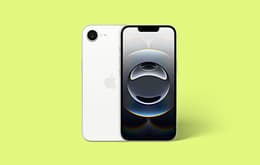
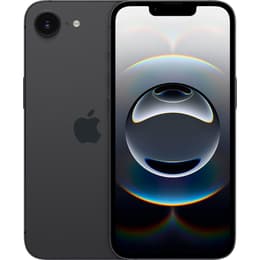
The Samsung Galaxy Z Fold7, released in July 2025, and the iPhone 16E, introduced in February 2025, represent distinct approaches to modern smartphone design and functionality. While the Galaxy Z Fold7 offers a unique foldable form factor that transforms from a traditional smartphone into a larger tablet-like display, the iPhone 16E maintains a conventional slab design, focusing on a streamlined user experience within the Apple ecosystem. Both devices operate on their respective flagship operating systems, Android 16 with One UI 8.0 for the Fold7 and iOS 26 for the iPhone 16E, each bringing a suite of features and optimizations tailored to their hardware.

Scores

Durability

The longevity of a smartphone is influenced by its physical resilience and the duration of software support it receives. Both the Galaxy Z Fold7 and the iPhone 16E offer substantial commitments to software updates, contributing to their practical lifespan.

  • Release Timeline and Age: The Galaxy Z Fold7 was released in July 2025, making it a relatively recent device, while the iPhone 16E was introduced earlier in February 2025. This difference in release dates means the iPhone 16E has been available for a slightly longer period.
  • OS Support Duration: Samsung has committed to providing seven years of Android OS updates and security patches for the Galaxy Z Fold7, ensuring support up to Android 23. Apple typically supports its iPhones with major iOS updates for approximately five to six years, with security updates often extending for seven to eight years. This suggests a comparable, if not slightly longer, overall support window for the iPhone 16E in terms of security.
  • Physical Durability: The Galaxy Z Fold7 features an improved Armor Flex hinge, designed to be thinner and lighter, and boasts an IP48 rating for dust and water resistance. However, its inner foldable screen, made of a softer plastic, is noted to be susceptible to scratches at a lower level than traditional glass displays, though Samsung offers a free screen protector replacement within the first year. The iPhone 16E incorporates Ceramic Shield protection for its display and carries an IP68 rating for dust and water resistance, indicating a high level of protection against environmental elements.

Year of Release

2025

2025

OS

Android

iOS

Foldable

Yes

No

Performance

Performance in modern smartphones is crucial for handling demanding applications, multitasking, and ensuring a responsive user experience. Both devices are equipped with advanced processing capabilities tailored to their respective operating systems.

  • Processor Capabilities: The Galaxy Z Fold7 is powered by a current-generation Snapdragon 8 Elite for Galaxy processor, designed to deliver robust performance for complex tasks and multitasking across its expansive display. The iPhone 16E features Apple's A18 chip, which includes a 4-core GPU variant, optimized for efficient and fast operation within the iOS ecosystem and enabling advanced Apple Intelligence features.
  • Multitasking and Responsiveness: The Galaxy Z Fold7, with its foldable design and ample RAM (typically 12GB, with a potential 16GB variant), is well-suited for extensive multitasking, allowing users to run multiple applications simultaneously on its large inner screen without significant slowdowns. The iPhone 16E, equipped with 8GB of RAM, provides a smooth and fluid experience for everyday use, app launches, and gaming, benefiting from the tight integration between its hardware and iOS.
  • Storage Options: Both devices offer various internal storage configurations to accommodate user needs. The Galaxy Z Fold7 is expected to offer options up to 1TB, catering to users who require significant space for applications, media, and files. The iPhone 16E is available with 128GB, 256GB, and 512GB storage options.

Memory (GB)

12 GB

8 GB

Screen quality

The display is a primary interface for smartphone interaction, and both the Galaxy Z Fold7 and iPhone 16E offer high-quality viewing experiences, albeit with different form factors.

  • Display Technology and Size: The Galaxy Z Fold7 features an 8-inch inner Dynamic AMOLED 2X foldable display and a 6.5-inch outer display, both utilizing OLED technology for deep blacks and vibrant colors. The iPhone 16E comes with a 6.1-inch Super Retina XDR OLED display, providing a consistent and high-quality viewing experience in a traditional smartphone form.
  • Resolution and Clarity: Both displays on the Galaxy Z Fold7 offer a resolution just shy of 2K, ensuring sharp and detailed visuals across its large surfaces. The iPhone 16E's 6.1-inch display has a resolution of 2532 by 1170 pixels, resulting in a pixel density of 460 PPI, which delivers clear and crisp images.
  • Brightness and Smoothness: The Galaxy Z Fold7's displays are capable of a peak brightness of 2600 nits, providing excellent visibility even in bright outdoor conditions, and both screens support a 120Hz refresh rate for smooth scrolling and responsive interactions. The iPhone 16E's OLED display offers 800 nits typical max brightness and up to 1200 nits peak brightness for HDR content, along with features like True Tone and Wide Color for accurate color reproduction.

Resolution

1968 x 2184

2532x1170

Audiovisual

Camera systems are a significant consideration for many users, and both devices are equipped with advanced photographic capabilities designed to capture high-quality images and videos.

  • Main Camera System: The Galaxy Z Fold7 features a 200MP main camera, a significant upgrade for the Z Fold series, complemented by a 12MP ultrawide lens with autofocus and macro capabilities, and a 10MP telephoto lens offering 3x optical zoom. The iPhone 16E is equipped with a custom 48MP Fusion camera that provides optical quality zoom at 1x and 2x, leveraging its sensor for versatile shooting.
  • Photography Features: The Galaxy Z Fold7 incorporates a ProVisual Engine with AI-powered imaging technologies, enhancing photo quality, especially in low-light conditions, and offering advanced editing features. The iPhone 16E supports features like Night mode, Portrait mode, and Smart HDR 5, utilizing computational photography to optimize images across various scenarios.
  • Front Cameras and Video: For selfies and video calls, the Galaxy Z Fold7 includes an enhanced 100-degree front camera on its main display and a 10MP under-display camera on the inner screen. The iPhone 16E features a 12MP TrueDepth front camera with autofocus, capable of recording 4K video. Both devices offer strong video recording capabilities, with the iPhone 16E also supporting spatial audio recording.

Miscellaneous

Beyond core performance and display, various practical elements contribute to the overall user experience, including connectivity, physical design, and unique features.

  • Connectivity and Ports: Both devices support 5G connectivity. The Galaxy Z Fold7 includes Bluetooth 5.4 and a USB-C 3.2 port. The iPhone 16E also features a USB-C port and MagSafe for wireless charging, but its Apple-designed C1 modem does not support mmWave 5G.
  • Biometric Security and Design: The Galaxy Z Fold7 incorporates a side-mounted fingerprint sensor for secure unlocking. The iPhone 16E relies on Face ID for biometric authentication, integrated within its display notch. The Fold7's design emphasizes its foldable nature, offering a large screen when unfolded, while the iPhone 16E maintains a traditional smartphone form factor with an aluminum frame and glass back.
  • Battery and Handling: The Galaxy Z Fold7 is equipped with a 4400 mAh battery, designed to power its dual-screen experience. The iPhone 16E features a 4005 mAh battery, noted for providing extended battery life for a 6.1-inch iPhone. The foldable nature of the Z Fold7 means it is thicker and heavier when folded compared to the iPhone 16E, which offers a more compact and uniform profile.

Weight

187 g

167 g

Screen size (in)

8

6.1

Mobile network

5G

5G

SIM card

Dual Physical SIM + eSIM

eSIM

Carrier compatibility

Unlocked

Unlocked

Connector

USB-C

USB-C

The Samsung Galaxy Z Fold7 and iPhone 16E cater to different user preferences, each excelling in its respective design philosophy. Users frequently praise the Galaxy Z Fold7 for its innovative foldable design, which offers unparalleled multitasking capabilities and a large, immersive display for media consumption and productivity. The ability to transform a compact phone into a tablet-like experience is a significant draw, often highlighted in user discussions. Criticisms sometimes revolve around the durability of the inner screen and the device's overall thickness and weight compared to traditional smartphones.

Conversely, the iPhone 16E is often lauded for its consistent performance, robust software ecosystem, and reliable camera system. Users appreciate the long-term software support from Apple and the device's overall ease of use. Common feedback points include its traditional form factor, which some prefer for its simplicity and pocketability, and the integration of Apple Intelligence features. Some users might express a desire for more innovative design changes or a higher refresh rate display, depending on their expectations.

Users prioritizing a versatile device that can adapt from a standard phone to a large-screen productivity tool may find the Galaxy Z Fold7 well-suited to their needs. Its expansive display and multitasking features are ideal for those who frequently work with multiple apps or consume a lot of media on the go. On the other hand, users who value a consistent, high-performance smartphone experience within a familiar ecosystem, coupled with strong camera capabilities and extended software longevity, may lean toward the iPhone 16E. Both devices represent quality-assured options, and considering refurbished alternatives can be an eco-friendly way to acquire either of these advanced smartphones, aligning with sustainable consumption practices.

See all articles

Our recent comparisons