iPhone 15 Plus Vs Sony Xperia 1 IV

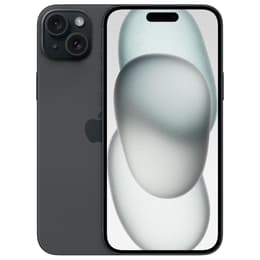
iPhone 15 Plus
iPhone 15 Plus
Starting at

Refurbished price:£344.00

Versus £799.00 new

See options
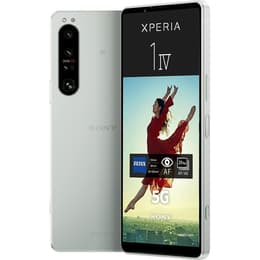
Sony Xperia 1 IV
Sony Xperia 1 IV
Starting at

Refurbished price:£346.00

Versus £1,500.00 new

See options

Ratings

The iPhone 15 Plus, released in September 2023, and the Sony Xperia 1 IV, launched in May 2022, represent distinct philosophies in the premium smartphone market. While the iPhone 15 Plus operates on Apple's iOS, offering a streamlined user experience, the Sony Xperia 1 IV runs on Android, providing greater customization and a focus on professional-grade multimedia features. These devices cater to different user priorities, with the iPhone emphasizing intuitive operation and computational photography, and the Xperia highlighting manual controls and a unique display.

Scores

Durability

When considering the long-term usability of these devices, their release timelines and software support play a significant role.

  • Release Timeline: The iPhone 15 Plus is a more recent device, having been released in September 2023. The Sony Xperia 1 IV was launched earlier, in May 2022. This difference in release date impacts the duration of future software support.
  • Software Longevity: Apple typically provides iOS updates for its devices for approximately five to six years from their release date, suggesting the iPhone 15 Plus will receive support for an extended period. The Sony Xperia 1 IV, running Android, generally receives two to three major Android OS updates and around three to four years of security updates.
  • Physical Durability: The iPhone 15 Plus features a Ceramic Shield front cover and an IP68 rating for water and dust resistance, indicating robust protection against environmental elements. The Sony Xperia 1 IV is protected by Gorilla Glass Victus and carries an IP65/IP68 rating for water and dust resistance, offering comparable physical resilience.

Year of Release

2023

2022

Compatible with latest Update

Yes

No

OS

iOS

Android

Foldable

No

No

Performance

The performance of a smartphone is crucial for daily tasks, from navigating apps to engaging in demanding activities like gaming.

  • Processing Capabilities: The iPhone 15 Plus is equipped with a powerful processor that ensures smooth operation across various applications and efficient multitasking. This allows for quick app launches and fluid transitions between tasks. The Sony Xperia 1 IV also features a high-performance processor, capable of handling intensive applications and gaming. However, some user reports suggest that its processor can generate significant heat during prolonged heavy use, potentially leading to reduced performance over time.
  • Memory and Storage: The iPhone 15 Plus comes with 6GB of RAM, which is optimized for iOS's memory management, providing a responsive user experience. It offers storage options of 128GB, 256GB, and 512GB. The Sony Xperia 1 IV includes a more substantial 12GB of RAM, which benefits extensive multitasking and demanding applications on the Android platform. It provides 256GB or 512GB of internal storage and uniquely offers expandable storage up to 1TB via a microSD card slot.
  • Overall Responsiveness: Both devices offer a highly responsive user interface. The iPhone 15 Plus benefits from tight hardware-software integration, contributing to its consistent performance. The Xperia 1 IV, with its higher RAM, manages multiple open applications effectively, though its processor's thermal characteristics can influence sustained peak performance.

Memory (GB)

6 GB

12 GB

Screen quality

The display is a primary interface for smartphone interaction, and both devices offer distinct visual experiences.

  • Display Technology and Resolution: The iPhone 15 Plus features a 6.7-inch Super Retina XDR OLED display with a resolution of 2796 x 1290 pixels, resulting in a pixel density of 460 pixels per inch (ppi). This delivers sharp images and vibrant colors. The Sony Xperia 1 IV boasts a 6.5-inch 4K HDR OLED display with a resolution of 3840 x 1644 pixels, offering a higher pixel density of approximately 643 ppi. This higher resolution is particularly noticeable when viewing high-definition content.
  • Brightness and Refresh Rate: The iPhone 15 Plus offers a peak outdoor brightness of 2000 nits, ensuring excellent visibility even in bright sunlight. It operates at a standard 60Hz refresh rate. The Sony Xperia 1 IV features a 120Hz refresh rate, providing smoother scrolling and more fluid animations. Its display is also notably brighter than its predecessor.
  • Viewing Experience: The iPhone 15 Plus incorporates the Dynamic Island, an interactive area around the front camera that displays alerts and live activities. The Xperia 1 IV maintains a 21:9 aspect ratio, which is well-suited for cinematic content viewing, offering a more immersive experience without black bars.

Resolution

1290 x 2796

1644 x 3840

Screen type

Super Retina XDR OLED

OLED

Audiovisual

Both smartphones offer advanced camera systems, though their approaches to photography and videography differ significantly.

  • Rear Camera Systems: The iPhone 15 Plus is equipped with an advanced dual-camera system, featuring a 48MP main sensor that can also provide a 2x telephoto option through sensor cropping, alongside a 12MP ultrawide camera. It relies heavily on computational photography to enhance image quality, particularly in challenging lighting conditions. The Sony Xperia 1 IV features a versatile triple-camera setup, including a 12MP main, a 12MP ultrawide, and a unique 12MP variable optical zoom telephoto lens that can seamlessly adjust between 3.5x and 5.2x magnification.
  • Photography and Videography Features: The iPhone 15 Plus excels in producing consistent, high-quality photos with minimal user input, making it suitable for everyday photography. It supports 4K video recording at up to 60 frames per second. The Sony Xperia 1 IV is designed for creative professionals and enthusiasts, offering extensive manual controls reminiscent of Sony's Alpha cameras. It is capable of recording 4K video at 120 frames per second across all its rear cameras, providing advanced options for slow-motion and cinematic capture.
  • Audio and Speakers: The iPhone 15 Plus provides stereo speakers for media consumption. The Sony Xperia 1 IV features front-facing stereo speakers for an immersive audio experience and notably includes a 3.5mm headphone jack, catering to users who prefer wired audio solutions.

Main camera

48 megapixels

12 megapixels

Front camera

12 megapixels

12 megapixels

Miscellaneous

Beyond core features, several practical elements contribute to the overall user experience and device utility.

  • Connectivity and Ports: The iPhone 15 Plus has transitioned to a USB-C port, offering universal compatibility with many modern devices, though its data transfer speeds are limited to USB 2.0. It supports 5G cellular connectivity, Wi-Fi 6, and Bluetooth 5.3. The Sony Xperia 1 IV also features a USB-C port, but with faster USB 3.2 data transfer speeds. It stands out by retaining a 3.5mm headphone jack and offering a microSD card slot for expandable storage up to 1TB. It supports 5G, Wi-Fi 6, and Bluetooth 5.2.
  • Biometric Security and Navigation: The iPhone 15 Plus utilizes Face ID for secure facial recognition and authentication. The Sony Xperia 1 IV incorporates a side-mounted fingerprint sensor for biometric security.
  • Physical Characteristics: The iPhone 15 Plus measures 160.9 x 77.8 x 7.8 mm and weighs 201 grams. The Sony Xperia 1 IV is slightly taller and narrower at 165 x 71 x 8.2 mm and lighter at 185 grams. These differences can affect one-handed use and pocketability.

Weight

201 g

185 g

Screen size (in)

6.7

6,5

Mobile network

5G

5G

SIM card

Physical SIM + eSIM

Physical SIM + eSIM

Carrier compatibility

Unlocked

Unlocked

Connector

USB-C

USB-C + Jack 3.5mm

The iPhone 15 Plus and Sony Xperia 1 IV cater to distinct user preferences, each offering a compelling set of features.

Users often praise the iPhone 15 Plus for its intuitive iOS ecosystem, consistent performance, and reliable camera system that produces excellent results with minimal effort. Its bright display and robust build quality are also frequently highlighted. Common criticisms, however, include the standard 60Hz refresh rate of its display and the USB 2.0 data transfer speeds over its USB-C port, which some users find limiting for a modern device.

The Sony Xperia 1 IV receives acclaim for its unique 4K 120Hz OLED display, offering an unparalleled visual experience, especially for cinematic content. Its advanced camera system, with a true optical variable zoom lens and extensive manual controls, is highly valued by photography and videography enthusiasts. The inclusion of a 3.5mm headphone jack and expandable storage are also significant advantages for many users. On the other hand, frequent criticisms revolve around the processor's thermal management, which can impact sustained performance, and its battery life, which some users find inconsistent due to the high-resolution display and powerful processor. The camera system, while powerful, can also be perceived as less user-friendly for casual point-and-shoot photography compared to more automated systems.

Users prioritizing a seamless, user-friendly experience with a strong emphasis on computational photography and a robust app ecosystem may find the iPhone 15 Plus well-suited to their needs. Conversely, creative professionals, mobile photographers, and videographers who value manual control, a high-resolution, high-refresh-rate display, and specific hardware features like a headphone jack and expandable storage, may lean toward the Sony Xperia 1 IV. Both devices are available as quality-assured refurbished options, providing an eco-friendly alternative for consumers.

See all articles

Our recent comparisons