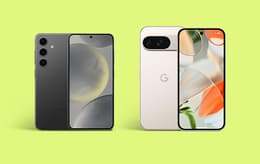


Galaxy Z Fold7 Vs Google Pixel 7A

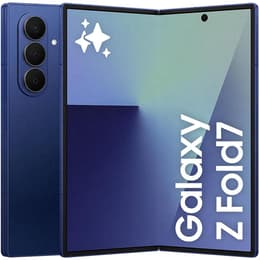
Galaxy Z Fold7
Galaxy Z Fold7
Starting at

Refurbished price:£849.00

Versus £1,799.00 new

See options
Google Pixel 7A
Google Pixel 7A
Starting at

Refurbished price:£142.24

Versus £649.99 new

See options

Ratings

The Samsung Galaxy Z Fold7, released in July 2025, represents the latest iteration of Samsung's foldable smartphone technology, offering a large, adaptable screen experience. In contrast, the Google Pixel 7a, launched in May 2023, is a more traditional smartphone designed to deliver a balanced user experience within a conventional form factor. The primary distinction lies in their fundamental design: the Z Fold7 offers a versatile folding display for enhanced productivity and media consumption, while the Pixel 7a provides a straightforward, compact smartphone experience.

Scores

Durability

When considering the long-term usability of these devices, their release timelines and software support policies are key factors.

  • Software Longevity: The Galaxy Z Fold7 launched with Android 16 and is promised seven generations of Android OS updates and security patches, extending its support through at least 2032. The Pixel 7a, released with Android 13, is expected to receive five years of OS and security updates, with support extending until at least May 2028.
  • Repairability: The Pixel 7a initially received a repairability score of 4/10 from iFixit, later upgraded to 5/10 after Google provided service manuals. This indicates a moderate ease of repair for common issues. The Galaxy Z Fold7, however, received a lower repairability score of 3 out of 10 from iFixit, citing challenges in disassembly due to adhesive use and the fragility of the folding screen. This suggests that repairs for the Z Fold7 may be more complex and potentially costly.
  • Practical Lifespan: Both devices are built to withstand daily use, but the Z Fold7's folding mechanism introduces a unique point of potential wear. Users of the Z Fold series have reported issues like 'angel wings' on the inner screen due to touching or condensation, and paint chipping. The Pixel 7a, while generally durable, has had some user reports of build quality concerns like the back cover bulging.

Year of Release

2025

2023

Compatible with latest Update

Yes

Yes

OS

Android

Android

Foldable

Yes

No

Performance

The performance of these two smartphones is influenced by their internal components and how they handle various tasks.

  • Processing Power: The Galaxy Z Fold7 is equipped with a current-generation processor, enabling smooth handling of demanding applications, multitasking across its large display, and efficient gaming. The Pixel 7a features a previous-generation processor, which provides capable performance for everyday tasks and most applications, though it may not match the raw speed of the Z Fold7 for highly intensive operations.
  • Multitasking and Responsiveness: With its larger memory configurations, the Z Fold7 offers enhanced multitasking capabilities, allowing users to run multiple applications simultaneously without significant slowdowns. The Pixel 7a, with its standard memory, handles typical multitasking well, but may show limitations when managing a large number of active applications.
  • Battery Behavior: The Galaxy Z Fold7 features a 4,400 mAh dual battery. While it has shown improvements in battery life compared to its predecessors due to software optimization and an efficient processor, some users still report that heavy usage, especially with the large folding screen, might require charging before the end of a full day. The Pixel 7a has a 4,385 mAh battery. User experiences vary, with some reporting decent battery life for a full day of moderate use, while others have noted rapid battery drain and overheating, particularly with processor-intensive tasks or during the initial adaptive battery learning period.
  • Storage Options: The Z Fold7 offers a range of storage options, including 256GB, 512GB, and 1TB, with higher storage variants often paired with increased memory. The Pixel 7a typically comes with 128GB of storage, which is suitable for many users but may be a limiting factor for those who store a large volume of media or applications.

Memory (GB)

12 GB

8 GB

Screen quality

The visual experience on these devices differs significantly due to their display technologies and form factors.

  • Display Technology and Size: The Galaxy Z Fold7 features two Dynamic AMOLED 2X displays: a 6.5-inch cover display and an 8.0-inch main foldable display. This provides a versatile experience, allowing for a compact phone when folded and an expansive tablet-like screen when unfolded. The Pixel 7a has a single 6.1-inch OLED display.
  • Resolution and Clarity: The Z Fold7's cover display has a resolution of 2520 × 1080 pixels, and its main foldable display offers 2184 × 1968 pixels, providing sharp and detailed visuals across both screens. The Pixel 7a's 1080p FHD+ OLED display with 2400 × 1080 pixels delivers clear and vibrant images for its size.
  • Brightness and Refresh Rate: The Z Fold7's main display can reach up to 2,600 nits of brightness, ensuring excellent visibility even in bright outdoor conditions. The Pixel 7a features a 90 Hz refresh rate, providing a smooth scrolling experience, and its OLED screen is generally bright and vibrant, though some users have noted challenges with visibility in direct sunlight.
  • Viewing Experience: The Z Fold7's large, foldable screen is well-suited for immersive media consumption, productivity tasks, and split-screen multitasking. The Pixel 7a offers a more traditional smartphone viewing experience, which is comfortable for one-handed use and everyday content.

Resolution

1968 x 2184

1080 x 2400

Audiovisual

Both devices offer capable camera systems, but with different strengths and features.

  • Rear Camera System: The Galaxy Z Fold7 boasts a triple rear camera system, including a 200 MP main camera, along with ultra-wide and telephoto lenses. This setup is designed for high-resolution photography and versatility across various shooting scenarios. The Pixel 7a features a dual-camera system with a 64 MP main camera and a 13 MP ultrawide lens.
  • Photography Performance: The Z Fold7's advanced camera hardware and processing capabilities contribute to detailed images, with strong performance in various lighting conditions. The Pixel 7a is known for its computational photography, delivering impressive results in everyday photography, including features like fixing blurred shots and object removal.
  • Video Recording: Both devices are capable of high-quality video recording. The Z Fold7's system supports advanced video features, while the Pixel 7a's main camera can record 4K video at 60fps, and its ultrawide and selfie cameras at 30fps.
  • Audio Quality: While specific microphone and speaker details can vary, both devices are expected to offer clear audio for calls and media playback. The Z Fold7's larger form factor might allow for a more expansive speaker output, enhancing the media consumption experience.

Miscellaneous

Beyond their core functions, several practical elements differentiate these two smartphones.

  • Connectivity: Both the Galaxy Z Fold7 and the Google Pixel 7a support 5G connectivity, along with modern Wi-Fi standards and Bluetooth for wireless connections.
  • Port Types: The Z Fold7 features a USB-C port for charging and data transfer. The Pixel 7a also uses a USB-C 3.2 port. Neither device typically includes a traditional headphone jack.
  • Biometric Security: The Z Fold7 likely incorporates advanced biometric sensors, such as a side-mounted fingerprint sensor or under-display fingerprint sensor, alongside face recognition. The Pixel 7a uses an under-display fingerprint sensor, though some users have reported inconsistencies and slow response times.
  • Physical Characteristics: The Galaxy Z Fold7 is designed to be thin and light for a foldable, weighing 215g and measuring 8.9 mm thick when folded. Its unfolded dimensions provide a tablet-like experience. The Pixel 7a is a more compact device, weighing 193.5g and measuring 9 mm thick, offering a comfortable grip for single-handed use.
  • Build Materials: The Z Fold7 features a robust construction with advanced glass protection and an IP48 rating for dust and water resistance. The Pixel 7a uses recycled glass and plastics for its construction and has an IP67 rating for dust and water resistance.

Weight

187 g

193 g

Screen size (in)

8

6.1

Mobile network

5G

5G

SIM card

Dual Physical SIM + eSIM

Physical SIM + eSIM

Carrier compatibility

Unlocked

Unlocked

The Samsung Galaxy Z Fold7 and the Google Pixel 7a cater to distinct user needs, offering different strengths and experiences. The Z Fold7 is often praised for its innovative folding display, which provides a large canvas for productivity and immersive media. Users appreciate its powerful performance and advanced camera system. However, common criticisms include its lower repairability score and the potential for battery life to be a concern for heavy users, especially given the large screen. Some users have also noted minor issues related to the folding screen's durability over time.

The Google Pixel 7a is frequently lauded for its strong camera performance, particularly its computational photography capabilities, and its consistent software experience. Users generally find its performance adequate for daily tasks. However, some common concerns include reports of overheating, inconsistent fingerprint scanner performance, and battery drain issues for certain usage patterns. Its single storage option may also be a limitation for some.

Users prioritizing a versatile, large-screen experience for multitasking, media consumption, and cutting-edge technology may prefer the Galaxy Z Fold7. Its powerful internals and expansive display make it suitable for those who need a device that can transform from a phone to a small tablet. Conversely, users who value a reliable, compact smartphone with an excellent camera for everyday photography and a clean software experience will find the Google Pixel 7a well-suited to their needs. It's a strong contender for those seeking a straightforward, high-quality smartphone without the complexities of a foldable design.

For those considering either device, exploring quality-assured refurbished options can be an eco-friendly alternative, offering a sustainable choice for acquiring advanced technology.
See all articles

Our recent comparisons