
Google Pixel 7A Vs iPhone 14

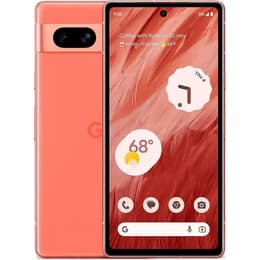
Google Pixel 7A
Google Pixel 7A
Starting at

Refurbished price:£128.00

Versus £649.99 new

See options
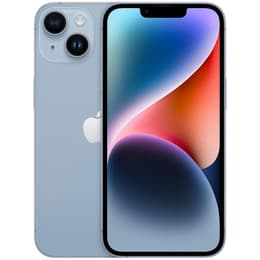
iPhone 14
iPhone 14
Starting at

Refurbished price:£229.00

Versus £599.00 new

See options

Ratings

The Google Pixel 7a, released in 2023, and the iPhone 14, launched in 2022, represent two distinct approaches to the modern smartphone experience. While the Pixel 7a showcases Google's vision for a software-driven Android device, the iPhone 14 continues Apple's tradition of hardware and software synergy within the iOS ecosystem. Both devices feature a 6.1-inch form factor, suiting users who prefer a phone that is easy to handle with one hand while still providing a modern, full-screen experience.

Scores

Durability

The expected lifespan of a smartphone is a critical consideration for users looking to minimize their environmental footprint, and opting for a sustainable choice like a refurbished device can extend the utility of these high-quality components.

  • Software Longevity: The iPhone 14 is expected to receive the latest version of its operating system for several years beyond the Pixel 7a, which is a significant factor for users who plan to keep their phone for half a decade or more.
  • Physical Resilience: While the iPhone 14 uses a glass and aluminium construction that feels substantial, the Pixel 7a employs a 3D thermoformed composite back that is highly resistant to impact damage from accidental drops.
  • Environmental Impact: Both manufacturers have committed to using recycled materials in their internal components, though the ease of sourcing replacement parts for the Pixel 7a often makes it a practical choice for those who prefer independent repair shops.

Year of Release

2023

2022

Compatible with latest Update

Yes

Yes

OS

Android

iOS

Foldable

No

No

Performance

The way a phone handles multitasking and background processes determines how responsive it feels during a busy workday or while travelling between locations.

  • Everyday Responsiveness: The iPhone 14 provides a very stable experience where apps stay open in the background for long periods, allowing users to switch between a navigation app and a web browser without the pages reloading.
  • Intelligent Processing: The Pixel 7a focuses on background intelligence, such as identifying music playing nearby or providing real-time captions for videos, which it handles without interrupting the primary task the user is performing.
  • Thermal Efficiency: During prolonged use, such as recording long videos or using GPS in a car, the iPhone 14 tends to manage heat effectively, maintaining its performance levels longer than the Pixel 7a, which may occasionally dim its screen to cool down.

Memory (GB)

8 GB

6 GB

Screen quality

The display is the primary interface for any smartphone, and the differences between these two models are most apparent when watching high-definition content or scrolling through long documents.

  • Refresh Rate Dynamics: The Pixel 7a offers a smooth display feature that increases the refresh rate to 90Hz, providing a more fluid visual experience when moving through menus compared to the standard 60Hz display on the iPhone 14.
  • Visual Clarity: Both devices feature high-resolution OLED panels that deliver deep blacks and vibrant colours, making them excellent for viewing photos or streaming movies in high definition.
  • Display Protection: The iPhone 14 utilises a specialised glass treatment designed to be tougher than standard glass, while the Pixel 7a uses a well-known scratch-resistant glass that has been a standard in the industry for several years.

Resolution

1080 x 2400

1170 x 2532

Screen type

OLED

Super Retina XDR OLED

Audiovisual

Capturing memories through photos and videos is a core function of modern smartphones, with each brand offering a distinct visual style to the images they produce.

  • Photography Style: The Pixel 7a uses high-resolution sensors and complex algorithms to produce sharp images with excellent dynamic range, particularly in challenging low-light environments.
  • Video Capabilities: The iPhone 14 is widely regarded for its stable video recording and smooth transitions between lenses, making it a preferred choice for mobile content creators.
  • Audio Capture: For those who record voice memos or participate in many video calls, both phones feature advanced microphone arrays that filter out background noise, though the iPhone 14 is often noted for its clearer vocal reproduction.

Main camera

64 megapixels

12 megapixels

Front camera

13 megapixels

12 megapixels

Miscellaneous

Small hardware differences, such as the type of charging port or the method used to secure the device, can have a large impact on a user's daily routine and existing accessory collection.

  • Charging Standards: The Pixel 7a uses the widely adopted USB-C port, which is compatible with most modern laptops and tablets, whereas the iPhone 14 uses the proprietary Lightning connector.
  • Security and Access: The iPhone 14 uses a sophisticated facial recognition system that works even in total darkness, while the Pixel 7a offers an optical fingerprint sensor located under the glass of the screen for quick access.
  • Wireless Features: Both phones support wireless charging, but the iPhone 14 includes a magnetic alignment system that ensures the charger is always perfectly positioned, while the Pixel 7a supports standard wireless charging pads.

Weight

193 g

172 g

Screen size (in)

6.1

6.1

Mobile network

5G

5G

SIM card

Physical SIM + eSIM

Physical SIM + eSIM

Carrier compatibility

Unlocked

Unlocked

Community feedback from long-term users highlights that the Google Pixel 7a is a favourite for those who want a straightforward, helpful phone that takes excellent photos with minimal effort. Users often mention the automated call screening feature as a major benefit in their daily lives. On the other hand, the iPhone 14 is frequently recommended for its overall reliability and the fact that it maintains its performance levels for many years. Some users on forums have pointed out that the Pixel 7a's battery can drain faster when using 5G data, while iPhone 14 users occasionally mention that the lack of a high-refresh-rate screen feels less modern compared to other current devices.

Users who prioritise a smooth screen and the latest AI-driven photography tools will likely find the Pixel 7a to be the more suitable choice for their lifestyle. Conversely, users who value a device that will receive software updates for a very long time and offers the most stable video recording experience will likely prefer the iPhone 14. Choosing a quality-assured refurbished option for either of these models is an eco-friendly alternative that supports a circular economy while providing a high-end smartphone experience. Both devices are capable of meeting the needs of professionals and students alike, with the final choice depending on which operating system and specific hardware features align best with the user's personal preferences.


See all articles

Our recent comparisons