
Galaxy A53 5G Vs iPhone 13 Pro

Galaxy A53 5G
Galaxy A53 5G
Starting at

Refurbished price:£109.00

Versus £459.00 new

See options
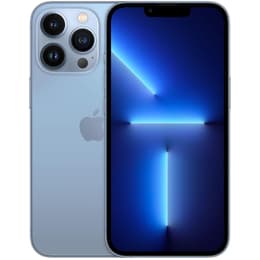
iPhone 13 Pro
iPhone 13 Pro
Starting at

Refurbished price:£232.00

Versus £949.00 new

See options

Ratings

The Samsung Galaxy A53 5G (2022) and the iPhone 13 Pro (2021) represent two distinct approaches to the modern smartphone experience. While the Galaxy A53 5G focuses on providing a large screen and versatile camera setup within a practical design, the iPhone 13 Pro offers a more compact, high-performance experience with advanced photography features. Both devices run on distinct operating systems—Android for the Samsung and iOS for the Apple—offering unique ecosystems and user interfaces tailored to different preferences. This comparison explores how these devices handle daily tasks, their physical resilience, and which user profiles they suit best.

Scores

Durability

These smartphones offer different levels of long-term support and physical resilience based on their original market positioning and construction materials.

  • Software Longevity: The iPhone 13 Pro typically receives software updates for six to seven years from its release, ensuring access to the latest features and security patches well into the late 2020s. The Galaxy A53 5G is supported by a commitment to four years of major OS updates and five years of security updates, providing a reliable but slightly shorter software lifespan.
  • Build and Repairability: The iPhone 13 Pro features a stainless steel frame and Ceramic Shield glass, which provides significant resistance to drops and scratches. In contrast, the Galaxy A53 5G uses a reinforced plastic build that is lighter and less prone to shattering but may show wear more easily over time. Opting for a sustainable choice such as a quality-assured refurbished option can also contribute to a longer device lifecycle by ensuring the hardware is maintained and checked for longevity.

Year of Release

2022

2021

Compatible with latest Update

Yes

Yes

OS

Android

iOS

Foldable

No

No

Performance

While both devices handle daily tasks with ease, they differ in how they manage demanding applications, multitasking, and long-term system responsiveness.

  • System Responsiveness: The iPhone 13 Pro is designed for high-intensity tasks, allowing users to edit high-resolution video or play graphically demanding games without lag. The Galaxy A53 5G provides a smooth experience for social media, web browsing, and standard productivity apps, though it may show slight pauses when switching between many open applications or during heavy multitasking.
  • Battery and Storage: The Galaxy A53 5G houses a large battery that comfortably lasts through a full day of heavy use, often extending into a second day for light users. The iPhone 13 Pro manages power efficiently, typically lasting a full workday, though its smaller physical battery size may require more frequent charging for power users. Both offer various storage capacities, with the Samsung allowing for expandable storage via a memory card.

Memory (GB)

4 GB

6 GB

Screen quality

Both smartphones feature high-refresh-rate displays that ensure smooth scrolling and fluid animations, though the underlying technologies and sizes differ significantly.

  • Display Technology: The Galaxy A53 5G uses a large 6.5-inch Super AMOLED screen that produces deep blacks and vivid colours, making it well-suited for watching movies or streaming content. The iPhone 13 Pro features a 6.1-inch OLED display with adaptive refresh technology, which adjusts the screen's smoothness based on what you are doing to save battery life while maintaining a highly responsive feel.
  • Outdoor Visibility and Clarity: The iPhone 13 Pro reaches higher peak brightness levels, which helps maintain clarity when using the device under direct sunlight. The Galaxy A53 5G also performs well outdoors, though users might find the screen slightly harder to read in extremely bright conditions. Both screens offer high resolutions that ensure text and images appear sharp and clear for typical viewing distances.

Resolution

1080 x 2400

1170 x 2532

Screen type

Super AMOLED

Super Retina XDR OLED

Audiovisual

Photography enthusiasts will find distinct strengths in both the multi-lens system of the Galaxy and the advanced processing and video capabilities of the iPhone.

  • Photo Versatility: The Galaxy A53 5G includes a high-resolution main sensor and a dedicated macro lens, allowing for detailed close-up shots and wide landscapes. The iPhone 13 Pro utilises a triple-lens system that includes a telephoto lens for optical zooming, enabling clear photos of distant subjects without losing detail, and performs reliably in low-light environments.
  • Video and Audio: The iPhone 13 Pro is widely recognised for its stable video recording and natural colour reproduction, making it a popular choice for mobile creators. It also features spatial audio support through its speakers. The Galaxy A53 5G provides reliable video for social sharing and clear stereo speakers that offer a balanced sound profile for casual media consumption and video calls.

Main camera

64 megapixels

12 megapixels

Front camera

32 megapixels

12 megapixels

Miscellaneous

Beyond the core specifications, the physical handling, biometric security, and connectivity options define the daily user experience for these two models.

  • Connectivity and Ports: Both devices support 5G connectivity for fast mobile data and include modern Bluetooth standards for wireless accessories. The Galaxy A53 5G uses a standard USB-C port for charging and data transfer, which is compatible with a wide range of universal cables, while the iPhone 13 Pro uses the Lightning port.
  • Biometrics and Weight: The iPhone 13 Pro uses facial recognition for secure unlocking, which is integrated into the front camera system. The Galaxy A53 5G employs an under-display fingerprint sensor, offering a different method of biometric security. In terms of handling, the iPhone feels denser and heavier due to its metal construction, whereas the Galaxy is lighter despite its larger physical footprint, making it easier to hold for long periods.

Weight

189 g

203 g

Screen size (in)

6.5

6.1

Mobile network

5G

5G

SIM card

Dual Physical SIM

Physical SIM + eSIM

Carrier compatibility

Unlocked

Unlocked

Users on community forums often praise the iPhone 13 Pro for its consistent performance and the fluidity of its display. Some users note that the device can feel heavy during long periods of use and that the lack of expandable storage requires careful planning. The Galaxy A53 5G receives positive feedback for its impressive battery life and the vibrant quality of its large screen, which is often cited as a highlight for media consumption. However, some users mention that the camera processing can occasionally be slower than flagship models when taking rapid-fire photos or using advanced filters.

Choosing between these two depends largely on your priorities regarding size and ecosystem. Users who prefer a larger screen for media consumption and a battery that lasts well beyond a single day may find the Galaxy A53 5G to be a practical choice. Conversely, those who prioritise a more compact design, high-end video capabilities, and longer software support will likely lean toward the iPhone 13 Pro. Choosing a refurbished model serves as an eco-friendly alternative for those looking to reduce their environmental footprint while still obtaining a high-quality device. Ultimately, both smartphones remain highly functional choices in 2026, providing reliable performance for a wide range of mobile needs without compromising on essential modern features.


See all articles

Our recent comparisons