
Compare models
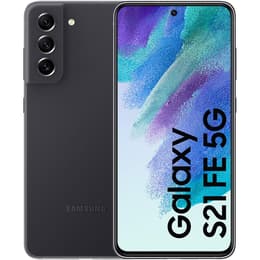
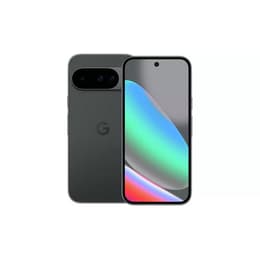
Galaxy S21 FE 5G Vs Google Pixel 10
- 1-year minimum warranty
- Free delivery on all items
- Free 30-day returns
Differences at a glance
The Samsung Galaxy S21 FE 5G (2022) and the Google Pixel 10 (2025) are popular Android smartphones that serve different generations of mobile technology and user requirements. While the Galaxy S21 FE 5G focuses on delivering core flagship experiences in a streamlined build, the Google Pixel 10 introduces newer hardware integrations, advanced software features, and a later generation operating system. Both devices offer distinct entry points into the smartphone market, catering to users with varying expectations for day-to-day usability.
Available Models
Colour
Storage (GB)
Scores
Durability
When evaluating hardware longevity and software support, these two models reflect their distinct release timelines and update frameworks.
- Release Timeline and Software Support: The Galaxy S21 FE 5G launched running an older version of Android with a standard multi-year update window, whereas the Google Pixel 10 arrives with extended operating system support spanning many years, ensuring long-term feature readiness.
- Expected Practical Lifespan: Because of its newer release date, the Google Pixel 10 retains a longer runway for security updates and system patches, while the Galaxy S21 FE 5G approaches the later stages of its active software support cycle.
Year of Release
2022
2025
Compatible with latest Update
Yes
Yes
OS
Android
Android
Foldable
No
No
Performance
Daily performance and multitasking capabilities differ noticeably based on the underlying processing hardware and memory configurations built into each device.
- System Responsiveness and Multitasking: The Google Pixel 10 handles demanding apps, background tasks, and heavy multitasking smoothly thanks to its current-generation processor and ample memory capacity. The Galaxy S21 FE 5G manages everyday tasks and standard application switching reliably, though heavy power users may notice constraints during intensive gaming sessions.
- Battery Behavior: The Google Pixel 10 features an efficient power management system designed to easily sustain a full day of mixed usage, while the Galaxy S21 FE 5G relies on a smaller battery capacity that may necessitate more frequent recharging for heavy users.
Screen quality
Viewing experiences vary due to differences in panel technology, peak brightness output, and refresh rate capabilities.
- Display Technology and Smoothness: Both devices utilize vibrant OLED panels that deliver deep blacks and high contrast ratios, but the Google Pixel 10 incorporates a faster refresh rate for smoother scrolling and interface navigation compared to the fixed or lower refresh rate tiers found on older hardware.
- Outdoor Visibility: The Google Pixel 10 achieves higher peak brightness levels, allowing for clearer visibility under direct sunlight, whereas the Galaxy S21 FE 5G performs adequately in moderate lighting conditions but can appear dimmer outdoors.
Resolution
1080 x 2340
1080x2424
Screen type
Dynamic AMOLED 2X
OLED
Audiovisual
Photography and media consumption hardware shape how each phone handles everyday capturing and playback tasks.
- Camera System Capabilities: The Google Pixel 10 benefits from advanced image processing algorithms and a versatile multi-lens layout that excels in low-light environments and detailed zoom shots. The Galaxy S21 FE 5G captures balanced everyday photos and reliable video footage, though it lacks the computational photography depth of newer hardware.
- Audio Output: Both smartphones feature stereo speaker setups suitable for casual video playback and hands-free calling, accompanied by clear microphone arrays for virtual meetings and voice notes.
Front camera
32 megapixels
42 megapixels
Miscellaneous
Physical design choices, connectivity standards, and daily handling characteristics establish the practical ergonomic profile of each device.
- Build and Ergonomics: The Galaxy S21 FE 5G offers a lightweight plastic-backed construction that feels comfortable and balanced in the hand, while the Google Pixel 10 utilizes modern glass and metal materials paired with magnetic accessory support.
- Connectivity and Ports: Both models support modern 5G cellular networks, Wi-Fi standards, and Bluetooth pairing, utilizing reversible USB-C ports for charging and data synchronization.
Weight
177 g
204 g
Screen size (in)
6.4
6.3
Mobile network
5G
5G
SIM card
Physical SIM
Physical SIM + eSIM
Carrier compatibility
Unlocked
Unlocked
Connector
USB-C
USB-C
What the community thinks
User discussions across community forums highlight distinct preference patterns for each smartphone. Owners of the Galaxy S21 FE 5G frequently praise its lightweight handling, reliable daily performance, and well-rounded feature set for basic tasks. Common criticisms for that model involve battery depletion under heavy loads and the advancing age of its software lifecycle. Conversely, users of the Google Pixel 10 often highlight its smooth display performance, advanced camera versatility, and extended software support window as major benefits, though some note the slightly heavier physical build.
Users prioritizing long-term software updates, high outdoor screen brightness, and advanced photography tools will find the Google Pixel 10 well-suited to their needs. On the other hand, users seeking a lightweight, straightforward device for standard daily communication may find the Galaxy S21 FE 5G aligns with their preferences. For those considering a sustainable choice, a quality-assured refurbished option provides a practical way to acquire these devices while reducing electronic waste. Ultimately, the right choice depends on individual priorities regarding software longevity, camera capabilities, and everyday handling.