
Compare models

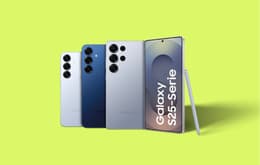
Galaxy S25 FE Vs Galaxy Z Fold6

  • 1-year minimum warranty
  • Free delivery on all items
  • Free 30-day returns
Galaxy S25 FE
Starting at

Refurbished price:£311.00

Versus £651.00 new

See options
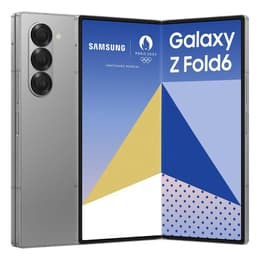
Galaxy Z Fold6
Starting at

Refurbished price:£516.00

Versus £1,685.59 new

See options

Differences at a glance

The Samsung Galaxy S25 FE (2025) and the Samsung Galaxy Z Fold6 (2024) represent two distinct approaches to modern mobile technology. While the Galaxy S25 FE offers a conventional candy-bar smartphone format focusing on everyday reliability, the Galaxy Z Fold6 introduces an innovative dual-screen foldable design that transforms into a tablet-sized workspace. Both devices operate on the Android platform complemented by Samsung's custom user interface, yet their physical form factors cater to entirely different daily computing preferences.

Available Models

Colour

Storage (GB)

Scores

Durability

Both models are built to sustain long-term daily use, though their hardware design implies different considerations for physical longevity.

    Software lifecycle: Both devices benefit from extensive multi-year software and security update commitments from the manufacturer, ensuring up-to-date operating system features for years following their release.
    Physical durability: The Galaxy S25 FE features a traditional glass and aluminum construction with reliable drop resistance, whereas the Galaxy Z Fold6 incorporates a complex hinge mechanism and a flexible inner display that requires mindful handling over time.
    Repair dynamics: Conventional slab smartphones like the Galaxy S25 FE generally present a straightforward repair process compared to foldable devices, which feature specialized multi-layered internal screen assemblies.

Year of Release

2025

2024

Compatible with latest Update

Yes

Yes

OS

Android

Android

Foldable

No

Yes

Performance

Handling demanding tasks, multitasking, and power management differ notably between these two choices due to their internal hardware configurations and battery capacities.

    Multitasking and processing: Both models manage resource-intensive applications, graphics-heavy gaming, and split-screen workflows smoothly, though the foldable model provides higher base RAM configurations to support simultaneous multi-window use.
    Battery endurance: The Galaxy S25 FE utilizes a large single-cell battery that comfortably sustains a full day of mixed usage, while the Galaxy Z Fold6 powers two separate displays, meaning intensive use of the large inner screen results in quicker energy depletion.
    Storage configurations: Both options offer multiple internal storage tiers to accommodate large media libraries and applications, though neither includes expandable memory slots.

Screen quality

Visual output represents one of the most substantial divergences between these two options, shifting from a standard high-refresh panel to an expansive folding canvas.

    Display technology: The Galaxy S25 FE features a vibrant flat OLED panel with sharp clarity, whereas the Galaxy Z Fold6 deploys a foldable OLED main display alongside a practical cover screen for quick interactions.
    Brightness and outdoor visibility: Both devices reach high peak luminance levels, ensuring that text and images remain easily legible under direct sunlight or bright ambient lighting conditions.
    Motion smoothness: Each model supports dynamic high refresh rates up to 120Hz, providing fluid scrolling through web pages and responsive touch feedback during gaming or navigation.

Audiovisual

Optics and media consumption hardware are tailored to different styles of content creation and entertainment.

    Camera versatility: Both smartphones incorporate multi-lens rear camera arrays including primary wide sensors and ultra-wide options, delivering detailed photography across varied lighting conditions.
    Form-factor shooting: The foldable design of the Galaxy Z Fold6 allows unique shooting angles, such as using the cover screen for self-portraits or propping the device upright on a flat surface without a tripod.
    Media playback: Audio output via stereo speakers is clear and robust on both models, though the expansive inner display of the foldable option creates a more immersive environment for watching videos.

Miscellaneous

Physical dimensions, connectivity standards, and daily ergonomics define how each device integrates into a user's routine.

    Handling and weight: The Galaxy S25 FE maintains a slim, lightweight profile that rests comfortably in one hand, while the Galaxy Z Fold6 is heavier and thicker when closed due to its dual-screen assembly.
    Connectivity and ports: Both devices support modern 5G networks, fast Wi-Fi standards, and Bluetooth pairing, utilizing a reversible USB Type-C port for charging and data transfer.
    Biometric security: Each model offers secure authentication options, utilizing responsive fingerprint sensors alongside facial recognition capabilities for quick unlocking.

Weight

190 g

239 g

Screen size (in)

6.7

7.6

Mobile network

5G

5G

SIM card

Physical SIM + eSIM

Dual Physical SIM + eSIM

Carrier compatibility

Unlocked

Unlocked

What the community thinks

Community discussions and user feedback indicate that buyers appreciate the Galaxy S25 FE for its reliable battery life, comfortable ergonomics, and straightforward, durable construction. Users frequently praise its dependable everyday performance without the added mechanical complexity of moving parts. At the same time, owners of the Galaxy Z Fold6 highlight the productivity benefits of the spacious inner screen, noting how effectively it handles document editing and multitasking on the go, though some point out the heavier weight and visible screen crease as minor trade-offs.

Users prioritizing a lightweight, traditional phone experience with reliable day-long battery life will find the Galaxy S25 FE well-suited to their needs. Conversely, professionals and mobile enthusiasts looking for a portable tablet-sized workspace will lean toward the Galaxy Z Fold6. For those exploring sustainable purchasing routes, choosing a quality-assured refurbished option provides an eco-friendly alternative to acquire these devices while reducing electronic waste. Ultimately, the decision rests entirely on whether a conventional or expandable screen format better fits your daily routine.