
Smartphones
Compare models
Differences at a glance
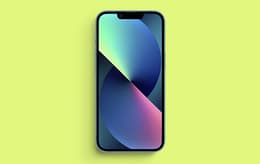
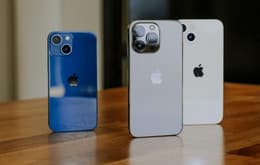
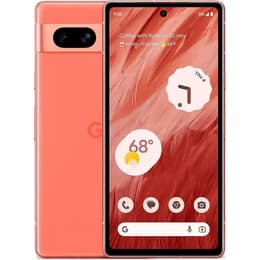
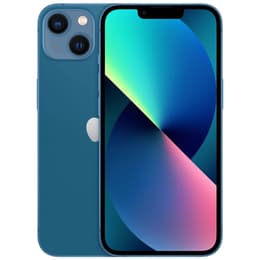
The Google Pixel 7a (2023) and the iPhone 13 (2021) are two prominent smartphones that offer distinct experiences within their respective ecosystems. While the Pixel 7a serves as a modern entry point into Google’s vision for Android, the iPhone 13 remains a highly capable and popular choice for those integrated into Apple’s iOS environment. Despite being released two years apart, both devices feature compact 6.1-inch displays and powerful internal hardware, making them ideal for users who prefer a manageable size without sacrificing core functionality or system performance.
Colour
Storage
The age and software support timelines of these devices are critical factors for users planning to keep their smartphone for several years.
Year of Release
Compatible with latest Update
OS
Foldable
In daily use, both smartphones provide a responsive experience, though they handle multitasking and background processing through different technical approaches.
The display technology on these devices significantly impacts the visual experience, particularly when it comes to motion smoothness and outdoor visibility.
Resolution
Screen type
Photography and video recording are areas where these two devices show their unique strengths, catering to different types of content creators.
Main camera
Front camera
Practical design choices and connectivity options define how these smartphones integrate into a user’s daily life and existing tech setup.
Weight
Screen size (in)
Mobile network
SIM card
Carrier compatibility
Based on consensus from user discussions and technical evaluations, the Google Pixel 7a and the iPhone 13 each offer a compelling experience tailored to different priorities. Users frequently praise the Pixel 7a for its exceptional still photography and the helpfulness of Google’s software features, though some note that it can run warmer than other devices during heavy use. The iPhone 13 is consistently lauded for its reliable performance, superior video recording, and the longevity of its software support, with the main criticism being its slower charging speeds compared to more recent standards.
Users who prioritise a smooth 90Hz display and advanced photo processing for still images will likely find the Pixel 7a to be the better fit for their needs. Conversely, those who value video quality, a long-term commitment to software updates, and a seamless ecosystem experience will likely prefer the iPhone 13. Both smartphones represent a sustainable choice through a quality-assured refurbished model, enabling users to make an informed and eco-friendly decision. Ultimately, the choice depends on whether a user prefers the customisable and AI-forward approach of Google’s Android or the consistent, long-lasting reliability of Apple’s iOS.