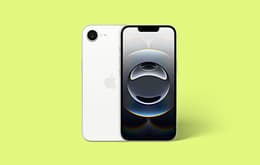
iPhone 16e Vs Sony Xperia 5 IV

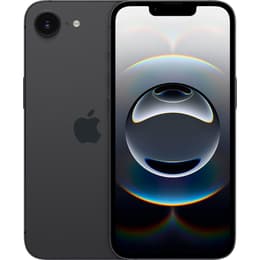
iPhone 16e
iPhone 16e
Starting at

Refurbished price:£359.00

Versus £599.00 new

See options
Sony Xperia 5 IV
Sony Xperia 5 IV
Starting at

Refurbished price:£299.00

Versus £1,199.00 new

See options

Ratings

The iPhone 16E, a hypothetical model from Apple's 2026 lineup, represents a more recent iteration of smartphone technology, while the Sony Xperia 5 IV, released in 2022, offers a compact Android experience. These devices cater to different user priorities, primarily differing in their release timelines, performance capabilities, and software longevity. Both operate on their respective ecosystems, iOS for the iPhone and Android for the Xperia.

Scores

Durability

The practical lifespan of these two devices is largely influenced by their release dates and manufacturer support policies.

  • Software Updates: The iPhone 16E, being a 2026 model, is expected to receive major iOS updates for approximately five to six years, extending its software relevance well into the 2030s. The Sony Xperia 5 IV, released in 2022, typically receives two to three major Android OS updates and around three to four years of security updates, meaning its official software support is nearing its conclusion.
  • Durability Features: Both devices feature robust build quality, including glass fronts and backs, and are expected to have IP68 ratings for dust and water resistance. The iPhone 16E would likely incorporate Apple's latest Ceramic Shield technology for enhanced screen durability, while the Xperia 5 IV uses Gorilla Glass Victus.
  • Repairability: Both brands generally offer moderate repairability, with components often requiring specialized tools for replacement. Users seeking the longest possible software support and access to the latest features will find the iPhone 16E more aligned with their needs.

Year of Release

2025

2022

OS

iOS

Android

Foldable

No

No

Performance

Performance differences are significant due to the four-year gap in their release cycles, impacting how each device handles demanding tasks and everyday usage.

  • Processing Power: The iPhone 16E, with its 2026-era Apple A-series chip, will offer substantially faster CPU and GPU performance, ensuring smooth operation for the most demanding applications, advanced mobile gaming, and complex multitasking. The Sony Xperia 5 IV, powered by a 2022-era processor, handles current applications and games competently but will show its age when compared to newer, more intensive software.
  • System Responsiveness: The iPhone 16E will provide a highly responsive user experience, with quick app launches and seamless transitions. The Xperia 5 IV also offers a fluid experience for most daily tasks, though it may exhibit minor delays with very heavy workloads or future high-end applications.
  • Battery Behavior: The Xperia 5 IV is known for its strong battery life, often lasting a full day or more for many users due to its efficient processor and large battery capacity for its size. The iPhone 16E will also feature optimized battery performance, benefiting from advancements in chip efficiency and iOS power management, likely offering comparable or improved endurance.

Memory (GB)

8 GB

8 GB

Screen quality

Both devices offer high-quality displays, but there are distinctions in their technology and user experience.

  • Display Technology: The iPhone 16E is expected to feature an advanced OLED display, providing deep blacks, vibrant colors, and excellent contrast. The Sony Xperia 5 IV also uses a 6.1-inch OLED panel, known for its accurate color reproduction and lack of a notch or punch-hole for an uninterrupted viewing experience.
  • Resolution and Clarity: Both phones offer sharp, high-resolution displays suitable for detailed content viewing. The iPhone 16E will likely have a slightly higher pixel density, contributing to marginally crisper text and images.
  • Refresh Rate and Brightness: The Xperia 5 IV features a 120Hz refresh rate, offering smooth scrolling and fluid animations. The iPhone 16E is also likely to include a high refresh rate display, potentially with adaptive technology. Both devices provide ample brightness for comfortable outdoor viewing, though the newer iPhone may offer higher peak brightness levels.

Resolution

2532x1170

1080 x 2520

Audiovisual

Both smartphones provide capable camera systems, but their approaches to photography and video differ.

  • Camera System: The iPhone 16E will feature Apple's latest computational photography advancements, likely including improved sensors for its main, ultrawide, and potentially telephoto lenses, excelling in various lighting conditions. The Sony Xperia 5 IV comes with a versatile triple 12MP camera setup (main, ultrawide, telephoto), known for its natural color science and extensive manual controls, appealing to users who prefer more control over their shots.
  • Low-Light Performance: The iPhone 16E is expected to deliver superior low-light performance, capturing more detail and reducing noise effectively. The Xperia 5 IV performs well in low light, but its processing might not match the advanced algorithms of a 2026 iPhone.
  • Video Recording: Both devices offer high-quality video recording. The iPhone 16E will likely feature advanced cinematic modes and stabilization. The Xperia 5 IV supports 4K video recording at up to 120 frames per second, providing excellent slow-motion capabilities.
  • Audio Experience: The Xperia 5 IV includes a 3.5mm headphone jack, a feature absent on the iPhone 16E. Both phones offer good stereo speaker output for media consumption.

Front camera

TrueDepth 12MP

12 megapixels

Miscellaneous

Beyond core features, several practical elements distinguish these two devices.

  • Connectivity: Both support 5G cellular networks, Wi-Fi, and Bluetooth. The iPhone 16E will incorporate the latest standards for Wi-Fi and Bluetooth, offering faster speeds and improved efficiency compared to the Xperia 5 IV's Wi-Fi 6 and Bluetooth 5.2.
  • Port Types: The iPhone 16E is expected to feature a USB-C port for charging and data transfer, aligning with current industry trends. The Sony Xperia 5 IV also uses a USB-C port and notably includes a 3.5mm headphone jack, a valued feature for many audio enthusiasts.
  • Biometric Security: The iPhone 16E will rely on Face ID for secure facial recognition. The Xperia 5 IV utilizes a fast and reliable side-mounted fingerprint sensor integrated into the power button.
  • Form Factor: The Xperia 5 IV is known for its compact and ergonomic design, making it comfortable for one-handed use. The iPhone 16E's dimensions would depend on its specific 'E' designation, but it would likely offer a balanced size for general use.

Weight

167 g

172 g

Screen size (in)

6.1

6,1

Mobile network

5G

5G

SIM card

eSIM

Physical SIM + eSIM

Carrier compatibility

Unlocked

Unlocked

Connector

USB-C

USB-C + Jack 3.5mm

User feedback for the Sony Xperia 5 IV often praises its compact size, the inclusion of a 3.5mm headphone jack, and its generally strong battery life. Some users appreciate its clean Android interface and the manual control options in its camera app. Common criticisms sometimes point to its software update longevity compared to competitors and occasional inconsistencies in camera processing. For the hypothetical iPhone 16E, general praise would likely center on its long-term software support, powerful performance, and seamless integration within the Apple ecosystem. Potential criticisms might include the absence of a headphone jack or the closed nature of iOS compared to Android's customization.

Users prioritizing a compact form factor, a dedicated headphone jack, and a more traditional Android experience with manual camera controls may find the Sony Xperia 5 IV well-suited to their needs, especially if they are comfortable with a device nearing the end of its major software update cycle. Conversely, users who value the absolute latest performance, extended software support, advanced computational photography, and deep ecosystem integration will likely lean towards the iPhone 16E. Both devices offer quality experiences, and choosing between them depends on individual priorities regarding age, operating system, and specific feature sets. Exploring quality-assured refurbished options for either model can provide an eco-friendly alternative for making an informed, sustainable choice.

See all articles

Our recent comparisons