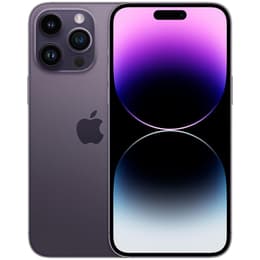
Google Pixel 7A Vs iPhone 14 Pro Max

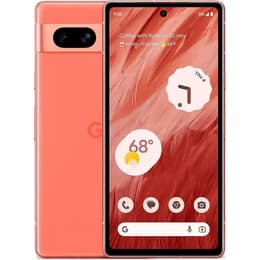
Google Pixel 7A
Google Pixel 7A
Starting at

Refurbished price:£128.00

Versus £649.99 new

See options
iPhone 14 Pro Max
iPhone 14 Pro Max
Starting at

Refurbished price:£327.00

Versus £1,199.00 new

See options

Ratings

The Google Pixel 7a (2023) and the iPhone 14 Pro Max (2022) represent two distinct approaches to the modern smartphone experience. While the Pixel 7a offers a compact design and Google's streamlined Android software, the iPhone 14 Pro Max provides a larger footprint and Apple's integrated iOS ecosystem. These devices cater to different user needs, from those seeking a manageable size and straightforward interface to those requiring expansive screen real estate and advanced multimedia capabilities.

Understanding the practical differences in their hardware and software support is essential for making an informed choice. While one prioritises portability and ease of use, the other focuses on providing a high-performance environment for media consumption and creative tasks. Both remain relevant choices in the current landscape, offering reliable performance for a variety of professional and personal applications.

Scores

Durability

Both devices offer robust software support, though their release dates and manufacturer policies influence their long-term viability and how long they will receive the latest features.

  • Software Longevity: The iPhone 14 Pro Max typically receives iOS updates for six to seven years from its launch, providing a long horizon for security and functionality. The Pixel 7a is supported with Android version updates until 2026 and security patches until 2028, ensuring it remains safe for several years of use.
  • Build and Repair: The iPhone features a stainless steel frame and Ceramic Shield glass, which provides a sturdy feel, while the Pixel uses a 3D thermoformed composite back that is resilient against drops. Both have established repair networks, though the iPhone's internal complexity can make certain professional fixes more involved.
  • Practical Lifespan: Users can expect both phones to remain functional and secure for several years. The iPhone likely holds its software relevance slightly longer for those who keep devices for the long term, while the Pixel offers a modern Android experience that stays fresh through regular feature drops.

Year of Release

2023

2022

Compatible with latest Update

Yes

Yes

OS

Android

iOS

Foldable

No

No

Performance

These smartphones handle daily tasks with ease, though they differ in how they manage heavy multitasking, sustained workloads, and long-term battery health during intensive use.

  • System Responsiveness: The iPhone 14 Pro Max delivers a consistently fluid experience when switching between demanding apps or editing high-resolution video without lag. The Pixel 7a provides a smooth, clean software feel that is highly optimised for Google's services, making it feel snappy during standard navigation and web browsing.
  • Battery Endurance: In typical daily use, the larger physical size of the iPhone 14 Pro Max allows for a battery that often lasts well into a second day for moderate users. The Pixel 7a generally requires a nightly charge, especially for those who frequently use navigation or camera features throughout the day.
  • Storage and Multitasking: The iPhone offers a wider range of internal storage capacities for those who store large media libraries locally. Both devices manage background apps effectively, ensuring that returning to a previously opened document or social feed happens without the app needing to restart.

Memory (GB)

8 GB

6 GB

Screen quality

The viewing experience varies significantly between these two models due to differences in display technology, physical dimensions, and how they handle motion on screen.

  • Display Fluidity: The iPhone 14 Pro Max features a high refresh rate that makes scrolling through long articles and system animations appear exceptionally smooth. The Pixel 7a offers a 90Hz display that is noticeably more responsive than standard screens, providing a pleasant experience for most users even if it is not as fluid as its counterpart.
  • Outdoor Visibility: Users will find the iPhone's screen easier to read under direct sunlight due to its high peak brightness levels, which helps when checking maps or messages outside. The Pixel 7a remains clear in most indoor and shaded environments, though it may require manual brightness adjustments in very bright conditions.
  • Screen Size and Immersion: The 6.7-inch display on the iPhone is well-suited for watching films, editing photos, and gaming, providing an immersive canvas. The 6.1-inch Pixel 7a is easier to operate with one hand and fits more comfortably in smaller pockets, making it a practical choice for those on the move.

Resolution

1080 x 2400

1290 x 2796

Screen type

OLED

LTPO Super Retina XDR OLED

Audiovisual

Both manufacturers are known for their photographic processing, yet they offer different hardware configurations for capturing memories in various lighting conditions and environments.

  • Photography Style: The Pixel 7a is praised for its point-and-shoot simplicity, often producing images with natural skin tones and excellent contrast in daylight. The iPhone 14 Pro Max provides a more versatile triple-lens system, including a dedicated telephoto lens that allows users to zoom into distant subjects without losing significant detail.
  • Video Capabilities: For users who record a lot of video, the iPhone offers advanced stabilization and cinematic modes that produce professional-looking results with smooth transitions. The Pixel focuses on clear, stable footage that is well-suited for social sharing and casual recording, with helpful software tools for editing after the fact.
  • Low-Light Performance: Both devices handle evening shots well, using software to brighten dark scenes. The iPhone's larger sensor helps it capture more light naturally, while the Pixel uses sophisticated processing to reduce graininess in night-time photos, ensuring memories are preserved clearly regardless of the time of day.

Main camera

64 megapixels

48 megapixels

Front camera

13 megapixels

12 megapixels

Miscellaneous

Beyond the core specifications, the physical design, connectivity options, and biometric security features define the daily handling and convenience of these smartphones.

  • Physical Handling: The Pixel 7a is significantly lighter and narrower, making it a practical choice for commuters who often use their phone while walking. The iPhone 14 Pro Max is a substantial device that feels more robust and premium, but its weight and width mean it often requires two hands for comfortable operation.
  • Biometric Security: The iPhone uses facial recognition technology for secure unlocking and payments, which works reliably in most lighting. The Pixel 7a utilises an under-display fingerprint sensor for quick access, alongside a basic face unlock feature that adds convenience for simple tasks.
  • Connectivity and Ports: The Pixel 7a uses the universal USB-C standard for charging, which is compatible with most modern laptops and tablets. The iPhone 14 Pro Max uses the Lightning port, which may require specific cables for those transitioning from other electronics, though both support fast 5G connectivity for quick downloads.

Weight

193 g

120 g

Screen size (in)

6.1

6.7

Mobile network

5G

5G

SIM card

Physical SIM + eSIM

Physical SIM + eSIM

Carrier compatibility

Unlocked

Unlocked

Based on community discussions and user feedback, the Google Pixel 7a is frequently praised for its manageable size and the pure Android experience, which many find more intuitive than modified versions of the software. Some users note that it can run warm during intensive tasks like gaming, but generally find it a reliable daily companion. The iPhone 14 Pro Max is lauded for its exceptional battery life and the quality of its display, though its physical weight is a common point of discussion for those who prefer a more portable device.

Users who prioritise a compact, lightweight device that handles everyday communication and photography with ease will find the Pixel 7a aligns well with their needs. Conversely, those who require a large screen for media, extensive battery life for travel, and a versatile camera system for creative work may lean toward the iPhone 14 Pro Max. Choosing a quality-assured refurbished option for either of these models is an effective way to access high-end technology while reducing electronic waste. Opting for a sustainable choice through refurbishment ensures the device has been professionally checked for performance and longevity. Both smartphones remain highly capable choices in 2026, offering distinct advantages depending on whether one values portability or maximum screen real estate.


See all articles

Our recent comparisons