
Compare models

Galaxy S23+ Vs iPhone 17 Pro

  • 1-year minimum warranty
  • Free delivery on all items
  • Free 30-day returns
Galaxy S23+
Starting at

Refurbished price:£291.00

Versus £914.39 new

See options
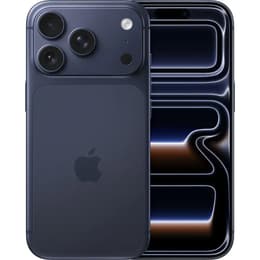
iPhone 17 Pro
Starting at

Refurbished price:£899.00

Versus £1,099.00 new

See options

Differences at a glance

The Samsung Galaxy S23+ (2023) and the Apple iPhone 17 Pro (2025) represent advanced smartphone options from different generations and operating systems. While the Galaxy S23+ operates on Android with a focus on a large viewing space and streamlined ergonomics, the iPhone 17 Pro runs on iOS and introduces newer hardware capabilities, smaller physical dimensions, and distinct multi-lens imaging configurations. Both devices cater to users seeking dependable daily performance, high-refresh-rate viewing, and versatile camera systems, though they diverge significantly in software ecosystem preferences and hardware release timelines.

Available Models

Colour

Storage (GB)

Scores

Durability

When evaluating the long-term viability of these two devices, differences in release schedules and software support windows dictate how long each phone will remain current.

  • Release timeline and age: The Galaxy S23+ launched in early 2023, while the iPhone 17 Pro debuted in late 2025, giving the Apple model a newer baseline for hardware wear and component age.
  • Software support windows: Apple typically provides extended operating system updates spanning many years post-release, whereas Samsung offers a structured multi-year update path starting from its 2023 launch baseline.
  • Expected practical lifespan: Both units utilize durable glass and metal construction with high-tier repairability standards, making a quality-assured refurbished option a sustainable choice for extending device longevity without purchasing newly manufactured hardware.

Year of Release

2023

2025

Compatible with latest Update

Yes

Yes

OS

Android

iOS

Foldable

No

No

Performance

Underneath the exterior, both smartphones handle intensive daily demands, multitasking, and software execution through distinct hardware architectures.

  • Storage configurations: Both models offer baseline storage starting at spacious tiers, accommodating large media libraries and offline application caching without immediate need for external expansion.
  • System responsiveness: Everyday tasks like web browsing, switching between demanding applications, and running graphic-intensive games execute smoothly and without noticeable stutter on both platforms.
  • Multitasking and memory management: Generous memory allocation ensures background applications remain active, allowing users to jump between productivity tools, streaming services, and social platforms seamlessly.

Screen quality

Viewing experiences on both models emphasize clarity, fluid motion, and outdoor legibility through advanced display engineering.

  • Display technology: Each device features high-contrast OLED panel technology that delivers deep black levels, rich color reproduction, and sharp text rendering for reading and media consumption.
  • Refresh rate and fluidity: Both screens support adaptive refresh rates reaching up to 120Hz, ensuring that scrolling through web pages and animations appear fluid to the eye.
  • Outdoor brightness: High peak brightness capabilities allow both displays to remain legible under direct sunlight, adjusting automatically to changing ambient lighting conditions.

Resolution

1080 x 2340

2622x1206

Screen type

Dynamic AMOLED 2X

Super Retina XDR

Audiovisual

Imaging hardware and audio-visual output shape how each device captures memories and consumes multimedia content.

  • Camera versatility: Both smartphones incorporate multi-lens arrays featuring wide, ultra-wide, and telephoto options to handle everything from landscape photography to close-up portraits.
  • Low-light performance: Advanced sensor sensitivity and computational processing help reduce noise in dim environments, preserving detail in night photography and indoor settings.
  • Media and audio output: Built-in stereo speaker configurations deliver balanced sound output for hands-free calls, podcasts, and casual video playback without requiring external speakers.

Main camera

50 megapixels

48 megapixels

Front camera

12 megapixels

18 megapixels

Miscellaneous

Physical dimensions, connectivity standards, and daily handling characteristics define how these devices integrate into a user's routine.

  • Connectivity and ports: Both models support modern 5G cellular networks, high-speed Wi-Fi protocols, and Bluetooth standards, utilizing reversible USB-C connections for wired charging and data transfer.
  • Physical dimensions and weight: The Galaxy S23+ features a larger screen footprint within a slightly more expansive frame, whereas the iPhone 17 Pro adopts a more compact physical form factor.
  • Build and durability: Robust aluminum or titanium-based frames combined with hardened front and back glass offer strong resistance against everyday drops and accidental water exposure.

Weight

168 g

206 g

Screen size (in)

6.6

6.3

Mobile network

5G

5G

SIM card

Physical SIM + eSIM

Physical SIM + eSIM

Carrier compatibility

Unlocked

Unlocked

What the community thinks

User feedback from online communities highlights distinct preferences for each device based on operating system familiarity and hardware design. Galaxy S23+ owners frequently praise its expansive display, reliable battery duration, and comfortable ergonomics for media consumption. Conversely, iPhone 17 Pro users often emphasize the fluid integration within the Apple ecosystem, robust video recording capabilities, and compact handling.

Users prioritizing a larger screen footprint and the flexibility of the Android ecosystem may prefer the Galaxy S23+, while users seeking deep iOS integration and a more compact physical build will lean toward the iPhone 17 Pro. Choosing a quality-assured refurbished option provides an eco-friendly alternative for acquiring either model while reducing electronic waste. Ultimately, the right choice depends on individual operating system preference and desired physical dimensions.