Galaxy S20 5G Vs iPhone 14 Pro

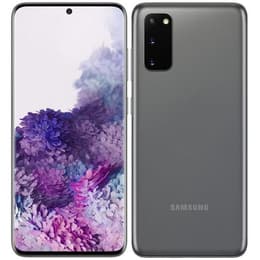
Galaxy S20 5G
Galaxy S20 5G
Starting at

Refurbished price:£132.00

Versus £899.00 new

See options
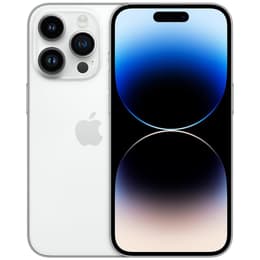
iPhone 14 Pro
iPhone 14 Pro
Starting at

Refurbished price:£304.00

Versus £1,099.00 new

See options

Ratings

The Samsung Galaxy S20 5G, released in early 2020, and the iPhone 14 Pro, launched in late 2022, represent two distinct generations of flagship smartphone technology. While the Galaxy S20 5G was a pioneer in bringing high-refresh-rate displays and 5G connectivity to the mainstream, the iPhone 14 Pro introduced significant advancements in camera resolution and a redesigned interface. These devices operate on different ecosystems—Android and iOS respectively—offering unique software experiences and varying levels of integration with other hardware. Choosing between them involves weighing the benefits of a flexible, established platform against a newer, highly integrated system. For those looking to make a sustainable choice, considering a quality-assured refurbished option is an eco-friendly alternative that extends the life of these high-performance devices.

Scores

Durability

The age difference between these two devices is a primary factor in determining their expected software longevity and physical resilience in the current year.

  • Software Support: The iPhone 14 Pro, being two years newer, is expected to receive official operating system updates for several more years compared to the Galaxy S20 5G, which has already reached the end of its major Android update cycle.
  • Build Materials: Both phones feature glass and metal constructions, but the iPhone 14 Pro uses a stainless steel frame and specialised toughened glass, while the Galaxy S20 5G utilises an aluminium frame and standard high-strength glass.
  • Repairability and Longevity: Users seeking a device that will remain compatible with the latest applications and security patches for the longest possible time will find the iPhone 14 Pro better aligned with those long-term needs.

Year of Release

2020

2022

Compatible with latest Update

No

Yes

OS

Android

iOS

Foldable

No

No

Performance

Daily tasks and demanding applications are handled differently by these two devices due to their internal architectures and how they manage system resources.

  • System Responsiveness: The iPhone 14 Pro provides a very fluid experience when switching between apps or playing high-end games, maintaining high performance even under heavy load without significant slowdowns.
  • Multitasking and Memory: The Galaxy S20 5G includes a high amount of temporary memory, which helps keep many background apps open simultaneously, though the iPhone's software is often more efficient at managing its available resources.
  • Battery and Efficiency: While the Galaxy S20 5G has a larger physical battery capacity, the iPhone 14 Pro often achieves similar or better daily usage times because its internal components are designed to be more energy-efficient.

Memory (GB)

12 GB

6 GB

Screen quality

Both smartphones feature high-quality displays that offer smooth motion and vibrant colours, though they use slightly different technologies to achieve these results.

  • Display Technology: The iPhone 14 Pro uses an advanced OLED panel that can stay on at all times to show the clock and notifications, whereas the Galaxy S20 5G features a sharp AMOLED screen known for its high pixel density and clarity.
  • Smoothness and Motion: Both devices support a 120Hz refresh rate, which makes scrolling through social media feeds and navigating menus feel incredibly fluid and responsive to the user's touch.
  • Outdoor Visibility: The iPhone 14 Pro reaches higher peak brightness levels, which makes the screen significantly easier to read when used directly under bright sunlight compared to the Galaxy S20 5G.

Resolution

1440 x 3200

1179 x 2556

Screen type

Dynamic AMOLED 2X

LTPO Super Retina XDR OLED

Audiovisual

The camera systems on these devices cater to different photography styles, with the iPhone 14 Pro introducing a much higher resolution main sensor for detailed captures.

  • Photography Detail: The iPhone 14 Pro captures images with a 48-megapixel main sensor, allowing for more detail and better cropping options, while the Galaxy S20 5G relies on a 12-megapixel main sensor supplemented by a high-resolution zoom lens.
  • Video Capabilities: For users who record a lot of video, the iPhone 14 Pro offers highly stable footage and professional-grade recording modes that are widely regarded for their consistency and colour accuracy.
  • Low-Light Performance: Both phones perform well in dark environments, but the newer sensors and processing in the iPhone 14 Pro generally produce clearer images with less digital noise in challenging lighting conditions.

Main camera

12 megapixels

48 megapixels

Front camera

10 megapixels

12 megapixels

Miscellaneous

Practical features like connectivity and physical handling play a large role in how these devices feel during daily use and how they fit into your existing setup.

  • Connectivity and Ports: The Galaxy S20 5G uses a standard USB-C port for charging and data transfer, while the iPhone 14 Pro uses a proprietary Lightning port, which may require different cables for users coming from other electronics.
  • Biometrics and Security: Samsung uses an ultrasonic fingerprint sensor hidden under the display for unlocking, whereas Apple utilises a facial recognition system located in a dynamic cut-out at the top of the screen.
  • Size and Weight: The Galaxy S20 5G is notably lighter and narrower, making it easier to use with one hand for extended periods, while the iPhone 14 Pro feels more substantial and heavy due to its denser materials.

Weight

163 g

206 g

Screen size (in)

6.2

6.1

Mobile network

5G

5G

SIM card

Dual Physical SIM

Physical SIM + eSIM

Carrier compatibility

Unlocked

Unlocked

Connector

USB-C

Lightning

User feedback from various tech communities highlights distinct strengths for both devices. The Galaxy S20 5G is often praised for its comfortable, lightweight design and the flexibility of its expandable storage via a microSD card slot, a feature missing from the iPhone. However, some users note that its battery life can diminish over time, especially when using the high-refresh-rate screen setting. The iPhone 14 Pro receives consistent acclaim for its exceptional camera system and the interactive interface features, though some users find its weight to be a drawback during long sessions of use.

Users who prioritise a lightweight phone with a highly customisable interface and the ability to expand storage may find the Galaxy S20 5G to be a practical choice. Conversely, those who require the latest software features, superior video recording, and longer-term update support will likely lean towards the iPhone 14 Pro. For those looking to make a sustainable choice, opting for a quality-assured refurbished option is an eco-friendly alternative that ensures the device has been thoroughly tested for performance. Ultimately, the decision rests on whether you value the open nature and ergonomics of the Samsung or the longevity and integrated ecosystem of the iPhone.

See all articles

Our recent comparisons