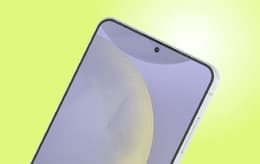
Galaxy A13 Vs Galaxy S24

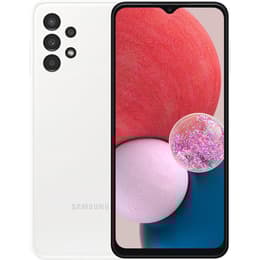
Galaxy A13
Galaxy A13
Starting at

Refurbished price:£73.00

Versus £249.00 new

See options
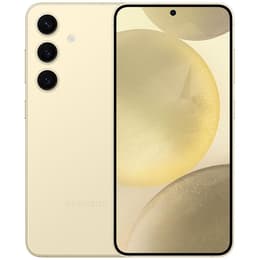
Galaxy S24
Galaxy S24
Starting at

Refurbished price:£273.00

Versus £817.67 new

See options

Ratings

The Samsung Galaxy A13, released in March 2022, and the Samsung Galaxy S24, launched in January 2024, represent distinct tiers within Samsung's smartphone lineup. While both operate on the Android platform, the Galaxy S24 offers a significantly more advanced user experience with its flagship-level performance, superior display technology, and extended software support, contrasting with the Galaxy A13's focus on essential functionality and accessibility.

Scores

Durability

The longevity and support for these devices differ considerably, primarily due to their respective market segments and release timelines.

  • Release Timeline: The Galaxy A13 was released in March 2022 (4G variant) or December 2021 (5G variant), making it a device from a previous generation. The Galaxy S24, on the other hand, is a much newer device, having been released in January 2024.
  • Software Longevity: The Galaxy A13, which launched with Android 11 or 12, received updates up to Android 14 (for the 4G model) but is not expected to receive Android 15 (One UI 7) and will likely cease major OS updates around early 2025, with security updates continuing until the end of 2025. In stark contrast, the Galaxy S24 launched with Android 14 and One UI 6.1, and Samsung has committed to providing an impressive seven years of major OS and security updates, extending its support until 2031.
  • Repairability: The Galaxy A13 (LTE model) has been noted for a relatively high repairability score of 8 out of 10, indicating a design that facilitates easier repairs. The Galaxy S24 also boasts a high repairability score of 9 out of 10, with features like an easily replaceable battery (thanks to a pull tab), though screen replacement can be challenging without damage.

Year of Release

2022

2024

Compatible with latest Update

No

Yes

OS

Android

Android

Foldable

No

No

Performance

Performance is a key area where these two smartphones diverge significantly, impacting everything from daily tasks to demanding applications.

  • Processing Power: The Galaxy A13 is equipped with an Exynos 850 or MediaTek Dimensity 700 processor, which is designed for basic smartphone functions. Users have reported that its performance can be sluggish, with noticeable lag during app transitions and struggles with moderate multitasking. The Galaxy S24 features a current-generation processor (either the Snapdragon 8 Gen 3 or Exynos 2400, depending on region), delivering very fast and smooth performance across all tasks, including demanding apps and graphics-intensive games.
  • System Responsiveness: The Galaxy A13's hardware means that app loading times can be slower, and the overall system responsiveness may not be as immediate, particularly when switching between multiple applications. The Galaxy S24 offers instant app loading and fluid navigation, ensuring a highly responsive user experience even under heavy usage.
  • Storage and Multitasking: The Galaxy A13 typically comes with 3GB to 6GB of RAM and 32GB to 128GB of internal storage, which is expandable via a microSD card. The Galaxy S24 provides 8GB of RAM and offers internal storage options of 128GB, 256GB, or 512GB, though it does not support expandable storage. The higher RAM in the S24 significantly enhances its multitasking capabilities.

Memory (GB)

4 GB

8 GB

Screen quality

The visual experience offered by each device's display technology presents a clear distinction.

  • Display Technology and Clarity: The Galaxy A13 features a 6.6-inch PLS TFT LCD with a Full HD+ resolution (1080x2408 pixels), providing adequate clarity for everyday viewing. The Galaxy S24, in contrast, boasts a 6.2-inch Dynamic AMOLED 2X display with a Full HD+ resolution (2340x1080 pixels). This AMOLED technology delivers deeper blacks, higher contrast, and more vibrant colors compared to an LCD panel.
  • Brightness and Refresh Rate: The Galaxy A13's display operates at a standard 60Hz refresh rate, which provides a smooth enough experience for general use but lacks the fluidity of higher refresh rates. Its peak brightness is around 483 nits. The Galaxy S24 features an adaptive refresh rate that can scale from 1Hz to 120Hz, resulting in exceptionally smooth scrolling and animations. It also offers a significantly higher peak brightness of 2600 nits, making it much more visible in bright outdoor conditions.
  • Screen Size and Viewing Experience: While the Galaxy A13 has a slightly larger 6.6-inch screen, the Galaxy S24's 6.2-inch display, combined with its superior technology and higher brightness, offers a more immersive and visually appealing viewing experience, especially for media consumption. Both displays are protected by Gorilla Glass, with the A13 using Gorilla Glass 5 and the S24 using Gorilla Glass Victus 2.

Resolution

1080 x 2408

1080 x 2340

Screen type

PLS LCD

Dynamic LTPO AMOLED 2X

Audiovisual

The camera systems on these two devices cater to different user expectations, with the Galaxy S24 offering a more versatile and advanced photographic experience.

  • Rear Camera System: The Galaxy A13 (4G) features a quad-camera setup with a 50MP main sensor, a 5MP ultrawide, a 2MP macro, and a 2MP depth sensor. The 5G variant lacks the ultrawide lens. While capable of decent photos in good lighting, users note that image quality can be inconsistent, especially in challenging conditions, and it lacks optical image stabilization (OIS). The Galaxy S24 comes with a triple-camera system, including a 50MP main sensor with OIS, a 12MP ultrawide lens, and a 10MP telephoto lens capable of 3x optical zoom. This setup provides greater flexibility and significantly better image quality, particularly in low light and for zoomed shots.
  • Photography Performance: The Galaxy A13's camera is generally considered suitable for casual photography, but it may struggle with detail, dynamic range, and low-light performance. The Galaxy S24 delivers excellent image quality with natural colors, improved detail, and strong low-light capabilities, benefiting from advanced image processing.
  • Video and Front Camera: Both devices can record video at 1080p at 30 frames per second. The Galaxy A13 has an 8MP front-facing camera, which performs adequately for basic selfies and video calls. The Galaxy S24 features a 12MP front camera with autofocus, providing sharper and more detailed selfies and improved video call quality.

Main camera

50 megapixels

50 megapixels

Front camera

8 megapixels

12 megapixels

Miscellaneous

Beyond core performance, several practical features and design elements differentiate these two Samsung smartphones.

  • Connectivity: The Galaxy A13 supports 4G LTE (or 5G in its dedicated variant), Wi-Fi 802.11 a/b/g/n/ac, and Bluetooth 5.0. The Galaxy S24 offers more advanced connectivity with 5G, Wi-Fi 6E, and Bluetooth 5.3, ensuring faster and more reliable wireless connections.
  • Ports and Sensors: The Galaxy A13 includes a 3.5mm headphone jack and a USB-C 2.0 port. It features a side-mounted fingerprint sensor. The Galaxy S24 does not have a headphone jack but uses a USB-C port. It incorporates an ultrasonic in-display fingerprint sensor for biometric authentication.
  • Build Materials and Dimensions: The Galaxy A13 has a plastic construction, measuring 165.1 x 76.4 x 8.8mm and weighing 195g. The Galaxy S24 features a more premium build with an IP68 rating for dust and water resistance, measuring 147 x 70.6 x 7.6mm and weighing 168g, making it more compact and lighter.

Weight

195 g

167 g

Screen size (in)

6.6

6.2

Mobile network

4G

5G

SIM card

Dual Physical SIM

Dual Physical SIM + eSIM

Carrier compatibility

Unlocked

Unlocked

The Samsung Galaxy A13 and Galaxy S24 cater to distinct user needs, reflecting their different positions in the smartphone market. Users often praise the Galaxy A13 for its reliable battery life and its inclusion of a headphone jack, making it a practical choice for those seeking essential smartphone functions without advanced features. However, common criticisms point to its sluggish performance and less capable camera system, especially in varied lighting conditions.

Conversely, the Galaxy S24 receives high praise for its exceptional performance, vibrant and smooth display, and significantly improved camera capabilities, particularly its low-light performance and versatile zoom options. Its extended software support is also a major advantage for long-term usability. Some users, however, note that the battery life, while good, may not always stretch to two full days for heavy users, and the absence of a headphone jack might be a drawback for some.

Users prioritizing a highly responsive device for demanding applications, advanced photography, and a premium viewing experience will find the Galaxy S24 well-suited to their needs. Its long-term software support also makes it a compelling choice for those who prefer to keep their devices for many years. For individuals seeking a smartphone primarily for communication, basic browsing, and media consumption, where budget and a long-lasting battery are key considerations, the Galaxy A13 remains a functional option. When considering either device, exploring quality-assured refurbished options can provide an eco-friendly alternative, offering a sustainable choice for consumers.

See all articles

Our recent comparisons