
Smartphones
Compare models
Differences at a glance
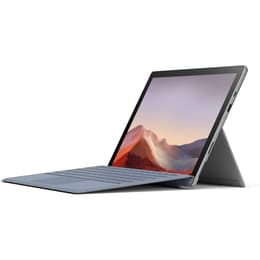
The Dell Latitude 5490, a business-oriented laptop released in 2018, and the Microsoft Surface Pro 7, a versatile 2-in-1 detachable tablet launched in late 2019, cater to different user needs despite both running on the Windows operating system. The primary distinctions lie in their form factor and intended use, with the Latitude 5490 offering a traditional laptop experience and the Surface Pro 7 providing tablet-laptop hybrid functionality.
Storage
Processor
Memory
When considering the long-term usability of these devices, their release timelines and the nature of their design play a significant role.
Year of Release
Last Os Compatibility
OS
The performance of these devices is influenced by their internal components and how they handle everyday computing tasks, multitasking, and more demanding applications.
Graphic card
The visual experience on these devices differs significantly due to their display technologies, resolutions, and form factors.
Resolution
Screen type
The camera and audio capabilities of these devices reflect their primary design intentions, with the Surface Pro 7 emphasizing its tablet and video conferencing strengths.
Beyond core performance and display, several practical elements differentiate these two devices in terms of connectivity, physical design, and user interaction.
Weight
Screen size
User sentiment for the Dell Latitude 5490 often highlights its robust build quality and extensive port selection, making it a reliable workhorse for business users. Many appreciate its durability and the comfortable typing experience provided by its keyboard. However, common criticisms include its somewhat dull design, a screen that could be brighter, and less-than-stellar audio quality. Some users have noted that the battery can swell over time, though it is generally considered highly repairable.
The Microsoft Surface Pro 7 is frequently praised for its sharp, vibrant display, versatile 2-in-1 design, and strong performance for its form factor. Users value its portability and the inclusion of a USB-C port, which was a welcome addition. On the other hand, recurring concerns revolve around its thick display bezels, the fact that the keyboard and pen are sold separately, and that its USB-C port does not support Thunderbolt 3. Battery life can also be inconsistent depending on the workload.
Users prioritizing a traditional, highly durable laptop with a wide range of connectivity options for a fixed workspace may find the Dell Latitude 5490 well-suited to their needs. Its emphasis on business features and repairability makes it a practical choice for long-term use. Conversely, individuals seeking a lightweight, versatile device that can seamlessly transition between a tablet and a laptop, with a superior display and better camera for video conferencing, may lean towards the Microsoft Surface Pro 7. Its portability and touch-first design are ideal for those who work on the go or engage in creative tasks. Both devices offer a solid Windows experience, and choosing between them largely depends on whether a traditional laptop form factor or a flexible 2-in-1 design aligns better with daily usage patterns. For those considering either model, exploring quality-assured refurbished options can provide an eco-friendly alternative.