
Dell Latitude 5400 14" Vs Microsoft Surface Pro 7 12"

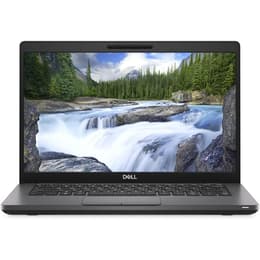
Dell Latitude 5400 14"
Starting at

Refurbished price:£161.00

Versus £1,427.00 new

See options
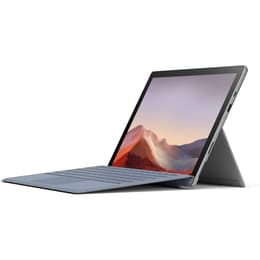
Microsoft Surface Pro 7 12"
Starting at

Refurbished price:£180.00

Versus £1,509.25 new

See options

Ratings

The Dell Latitude 5400 14, released in 2019, is a traditional business-oriented laptop, while the Microsoft Surface Pro 7 12, also launched in 2019, functions as a versatile 2-in-1 detachable tablet. Both devices operate on the Windows platform, offering users a familiar computing environment. The primary distinctions lie in their form factors and design philosophies, with the Latitude prioritizing a robust, conventional laptop experience and the Surface Pro emphasizing portability and tablet-like flexibility.

Scores

Durability

Both devices were released in 2019, placing them in a similar generation for software support and expected longevity.

  • Software Longevity: Both the Dell Latitude 5400 and the Microsoft Surface Pro 7 run on Windows, benefiting from ongoing operating system updates from Microsoft. The Dell Latitude 5400, as a traditional laptop, typically receives updates for several years, ensuring continued security and feature enhancements. The Surface Pro 7 also receives consistent Windows updates, though its lifecycle for feature-specific support might align with its hardware generation.
  • Build and Durability: The Dell Latitude 5400 features a durable chassis, often incorporating carbon fiber in its construction, and has undergone MIL-STD-810G testing, indicating its resilience against various environmental conditions and physical stresses. The Microsoft Surface Pro 7 is built with a magnesium alloy casing, offering a sleek yet sturdy design. Its 2-in-1 nature means the screen is frequently handled, which is a factor in its long-term physical condition.
  • Repairability: The Dell Latitude 5400 is generally considered to have good repairability, often featuring accessible internal components like two RAM slots and a removable SSD, which can facilitate upgrades and maintenance. The Surface Pro 7, while designed with a premium feel, has a more integrated construction, which can make internal repairs and component replacement more challenging.

Year of Release

2017

2019

Last Os Compatibility

Yes

Yes

OS

Windows 11

Windows 11

Performance

The performance of these two devices caters to different user needs, influenced by their internal configurations and design.

  • Processing Power: The Dell Latitude 5400 is equipped with 8th Generation Intel Core processors, providing solid performance for demanding office applications, multitasking, and general productivity tasks. The Microsoft Surface Pro 7 features 10th Generation Intel Core processors, which offer a slight generational advantage in raw processing capabilities and improved integrated graphics for everyday computing.
  • Memory and Storage: The Latitude 5400 supports up to 32GB or even 64GB of DDR4 RAM across two SODIMM slots, allowing for significant multitasking and handling of memory-intensive applications. It also offers NVMe PCIe M.2 SSDs for fast storage access. The Surface Pro 7 comes with up to 16GB of LPDDR4x RAM and SSD storage options, providing responsive performance for its intended use as a portable 2-in-1 device.
  • Battery Behavior: The Dell Latitude 5400 is known for its strong battery endurance, with some configurations offering up to 13 to 17 hours of web browsing on a single charge, making it suitable for extended work sessions away from power outlets. The Microsoft Surface Pro 7 is rated for up to 10.5 hours of typical usage; however, real-world battery life often ranges from 3 to 8 hours depending on the tasks and settings.

Memory (GB)

8 GB

8 GB

Processor

Core i5 - Gen 8 (U)

Core i5 - Gen 10 (G4)

Graphic card

Integrated Graphics

Integrated Graphics

Screen quality

The display characteristics of the Dell Latitude 5400 and the Microsoft Surface Pro 7 offer distinct visual experiences.

  • Display Technology and Size: The Dell Latitude 5400 typically features a 14-inch Full HD (1920x1080) IPS display, often with an anti-glare or matte finish, which is beneficial for reducing reflections in brightly lit environments. The Microsoft Surface Pro 7 boasts a 12.3-inch PixelSense Display with a higher resolution of 2736 x 1824 pixels and a 3:2 aspect ratio, providing a sharper image and more vertical screen real estate.
  • Brightness and Clarity: The Latitude 5400's display generally offers a brightness of around 220 nits, which is adequate for indoor use but can appear dim in very bright conditions. The Surface Pro 7's screen is brighter, typically reaching around 400 nits, contributing to better visibility in varied lighting and a more vibrant visual experience.
  • Touch and Interaction: While some configurations of the Dell Latitude 5400 offer a touchscreen option, it is primarily designed for traditional laptop interaction. The Surface Pro 7's PixelSense display is inherently a multi-touch screen, central to its 2-in-1 functionality, and supports pen input for creative and note-taking tasks.

Resolution

1366 x 768

2736 x 1824

Screen type

IPS

IPS

Audiovisual

Both devices include camera and audio capabilities suitable for communication and media consumption, though with different focuses.

  • Camera System: The Dell Latitude 5400 typically includes an HD webcam, which is standard for video conferencing and basic photography needs in a business setting. The Microsoft Surface Pro 7 features a more capable camera setup, with a 5.0MP front-facing camera that supports 1080p Full HD video and an 8.0MP rear-facing autofocus camera, also capable of 1080p Full HD video, making it more versatile for capturing images and video.
  • Audio Quality: For audio input, the Surface Pro 7 incorporates dual far-field Studio Mics, designed to pick up voices clearly during calls and recordings, even from a distance. Both devices feature stereo speakers. The Surface Pro 7's speakers are enhanced with Dolby Audio Premium, aiming to provide a richer sound experience for media consumption.
  • Graphics Performance: The Dell Latitude 5400 relies on integrated Intel UHD Graphics 620, which is sufficient for everyday visual tasks and light media. Some configurations offered an optional discrete AMD Radeon 540X GPU for slightly more intensive graphical workloads. The Surface Pro 7, particularly the i5 and i7 models, benefits from Intel Iris Plus Graphics, offering improved performance for visual tasks and casual gaming compared to standard integrated graphics.

Miscellaneous

Beyond core components, several practical features differentiate these two devices in terms of connectivity, physical design, and user interaction.

  • Connectivity and Ports: The Dell Latitude 5400 offers a comprehensive selection of ports, including multiple USB-A ports, a USB-C port (with optional Thunderbolt 3 support), HDMI, an RJ-45 Ethernet port, a microSD card reader, and a headphone jack. This extensive array supports a wide range of peripherals and network connections. The Microsoft Surface Pro 7 provides a USB-C port, a USB-A port, a 3.5mm headphone jack, a Surface Connect port for charging and docking, and a microSDXC card reader, offering modern connectivity options in a more streamlined package.
  • Weight and Dimensions: The Latitude 5400 is a traditional laptop, weighing around 1.48 kg (3.26 lbs), making it a solid, portable option for business users. The Surface Pro 7, without its detachable Type Cover, is significantly lighter at approximately 775g (1.70 lbs), emphasizing its tablet-first design and extreme portability.
  • Security and Input: The Dell Latitude 5400 includes a spill-resistant keyboard and often features a fingerprint reader integrated into the power button, along with an optional IR camera for Windows Hello facial recognition. The Surface Pro 7 primarily uses Windows Hello face authentication for secure login and relies on its optional Type Cover for a keyboard experience, which also serves as a screen protector.

Weight

1520 g

775 g

Screen size

14

12

User feedback for the Dell Latitude 5400 often highlights its robust performance, particularly for business and productivity tasks, and its impressive battery life, especially with larger battery configurations. Users appreciate its durable build and comprehensive port selection, making it a reliable workhorse. However, common criticisms point to its somewhat bland design and a display that is often described as dim and dull, with modest color coverage, making it less ideal for graphic-intensive work or entertainment. Some users also note that while it's dependable, it's not a device that stands out aesthetically.

For the Microsoft Surface Pro 7, users frequently praise its versatility as a 2-in-1 device, its high-resolution PixelSense display, and its portability. The inclusion of a USB-C port was a welcome update, enhancing its modern connectivity. A recurring concern among users, however, is the real-world battery life, which often falls short of Microsoft's stated figures, sometimes lasting only 3-8 hours with typical usage. Some also view the updates from its predecessor as incremental rather than revolutionary.

Users prioritizing a traditional, durable laptop with extensive port options and long battery life for demanding productivity tasks may find the Dell Latitude 5400 well-suited to their needs. Its focus on business-grade reliability and upgradeability makes it a strong contender for professionals and students who value function over form. Conversely, users seeking a highly portable and versatile device that can seamlessly transition between a laptop and a tablet, with a sharp, vibrant display and pen input capabilities, may lean towards the Microsoft Surface Pro 7. Its lighter weight and touch-first design are advantageous for those who need flexibility in their computing experience. Both devices offer a quality-assured refurbished option, providing an eco-friendly alternative for consumers.


See all articles

Our recent comparisons