
Dell Latitude 5400 14" Vs Dell Latitude 7400 14"

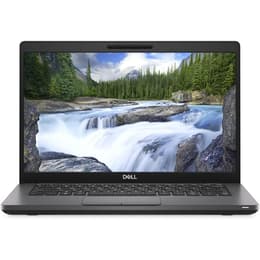
Dell Latitude 5400 14"
Starting at

Refurbished price:£171.00

Versus £1,427.00 new

See options
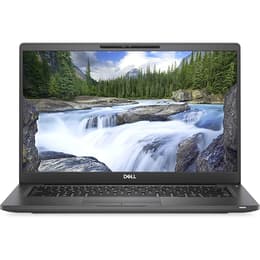
Dell Latitude 7400 14"
Starting at

Refurbished price:£154.00

Versus £699.00 new

See options

Ratings

The Dell Latitude 5400 and Dell Latitude 7400 are 14-inch business-oriented laptops, both initially released in 2019. While sharing a common foundation in their operating system and core purpose, the Latitude 7400 is positioned as a more premium and portable option, whereas the Latitude 5400 serves as a robust workhorse with a broader range of connectivity options. Both models run on the Windows operating system, offering a familiar experience for business and productivity tasks.

Scores

Durability

These laptops, designed for business environments, offer solid build quality and a reasonable expected lifespan, particularly when considering software support and physical durability.

  • Release Timeline: The Dell Latitude 5400 was released in May 2019, while the Latitude 7400 followed shortly after, with its 2-in-1 variant released in June 2019. This places both models within the same generation of hardware and software support.
  • Software Longevity: Both the Latitude 5400 and 7400 are compatible with Windows 11, extending their supported lifespan beyond the Windows 10 end-of-support date in October 2025. This compatibility ensures continued access to security updates and new features for several years.
  • Repairability: Both models are designed with repairability in mind, a common trait for business laptops. Service manuals and teardown guides indicate that components like the battery, SSD, and RAM are accessible for replacement or upgrade, contributing to a practical lifespan. The chassis of both devices is noted for its durability, with the Latitude 5400 having undergone MIL-STD-810G testing.

Year of Release

2017

2019

Last Os Compatibility

Yes

Yes

OS

Windows 11

Windows 11

Performance

Both the Latitude 5400 and 7400 are equipped with similar generation processors, providing capable performance for everyday business and productivity tasks. However, their configurations can lead to differences in responsiveness and multitasking capabilities.

  • Processing Power: Both laptops feature 8th generation Intel Core processors, which handle demanding applications and multitasking smoothly. Users can expect efficient performance for tasks such as document editing, web browsing with multiple tabs, and video conferencing.
  • Memory and Storage: The Latitude 5400 can be configured with up to 32GB or even 64GB of DDR4 RAM across two SODIMM slots, offering significant headroom for heavy multitasking and specialized applications. The Latitude 7400 typically supports up to 32GB of DDR4 RAM. Both models utilize fast NVMe PCIe SSDs for quick boot times and rapid application loading, with storage options up to 1TB.
  • Overall Responsiveness: Users generally report fast and responsive performance from both laptops, suitable for a professional workflow. The Latitude 7400, in some configurations, demonstrated faster boot-up and wake-from-sleep times due to its ability to employ 'Modern Standby'.

Memory (GB)

8 GB

8 GB

Processor

Core i5 - Gen 8 (U)

Core i5 - Gen 8 (U)

Graphic card

Integrated Graphics

Integrated Graphics

Screen quality

The visual experience on these laptops varies depending on the specific display configuration, with both offering options suitable for productivity, though with some distinctions in clarity and brightness.

  • Display Technology and Resolution: Both the Latitude 5400 and 7400 offer 14-inch displays with options for HD (1366x768) and Full HD (1920x1080) resolutions. Full HD panels provide a clearer and sharper image, beneficial for extended work sessions. The Latitude 7400 often features IPS panels, known for better viewing angles and color reproduction.
  • Brightness and Clarity: The Latitude 5400's Full HD displays typically offer around 220 nits of brightness, which some users find adequate for indoor use but potentially dim in brighter outdoor conditions. The Latitude 7400, in its Full HD configurations, can reach up to 300 nits, providing a brighter viewing experience. Both models often include anti-glare properties to reduce reflections.
  • Special Features: The Latitude 7400 offers an optional privacy screen (Dell SafeScreen) that narrows viewing angles to protect sensitive information, though some users note it can impact general viewing angles even when not actively used. Neither model typically features high refresh rate displays, being optimized for business productivity rather than multimedia consumption or gaming.

Resolution

1366 x 768

1920 x 1080

Screen type

IPS

IPS

Camera

Audiovisual

For communication and media consumption, both laptops provide integrated solutions, with varying levels of quality and features designed for professional use.

  • Camera Capabilities: Both the Latitude 5400 and 7400 include integrated webcams, suitable for video calls and online meetings. The Latitude 5400 often includes a physical privacy shutter for the webcam, offering an added layer of security. The Latitude 7400 also offers an optional IR camera for facial recognition.
  • Audio Quality: User feedback for the Latitude 5400 generally describes its speakers as adequate for business use. The Latitude 7400's speakers are sometimes noted as being less robust, with some users finding them thin and not particularly loud. Both include universal audio jacks for headphones and microphones.
  • Microphone Quality: Both laptops are equipped with integrated microphones, designed to capture clear audio for conference calls and voice commands. The Latitude 7400 2-in-1 variant specifically mentions a microphone array.

Miscellaneous

Beyond core performance, several practical elements differentiate these laptops, impacting their usability in various professional settings.

  • Connectivity Options: The Latitude 5400 offers a comprehensive port selection, including multiple USB 3.1 Type-A ports, a USB 3.1 Gen 2 Type-C port (with optional Thunderbolt 3), HDMI 1.4, and a crucial RJ-45 Ethernet port. The Latitude 7400 includes Thunderbolt 3, USB 3.1 Type-A, HDMI 1.4a, and a microSD card reader, but notably lacks a built-in Ethernet port, relying on adapters or docks for wired network connectivity. Both support Wi-Fi 5 (802.11ac) or Wi-Fi 6 (802.11ax) and Bluetooth 5.0, with optional LTE mobile broadband.
  • Physical Design and Handling: The Latitude 7400 is generally lighter and more compact, weighing around 1.35 kg to 1.535 kg, with a slimmer aluminum chassis. The Latitude 5400 is slightly heavier at approximately 1.48 kg to 1.52 kg and has a more traditional, less sleek design, often featuring a slate-gray plastic chassis, though some configurations include carbon fiber. Both feature comfortable, backlit keyboards and responsive touchpads, with the 5400 also offering a TrackStick option.
  • Security Features: Both models incorporate robust security features. These include optional fingerprint readers integrated into the power button, IR cameras for Windows Hello facial recognition, and Noble lock slots. The Latitude 7400 also offers Dell SafeScreen for display privacy.

Weight

1520 g

1630 g

Screen size

14

14

The Dell Latitude 5400 and 7400, both released in 2019, cater to business users with distinct priorities. User feedback for the Latitude 5400 often praises its robust performance, long battery life, and comprehensive port selection, including a built-in Ethernet port, making it a dependable workhorse. Criticisms sometimes point to its less inspiring design and a display that can be dim. Conversely, the Latitude 7400 receives acclaim for its more premium, lighter design, excellent battery life, and advanced security features. Common concerns include the absence of an Ethernet port and, in some cases, less powerful speakers.

Users prioritizing extensive connectivity, particularly a native Ethernet port, and a highly durable, no-frills build for consistent daily tasks may find the Latitude 5400 well-suited to their needs. This model is a practical choice for those who value functionality and a wide array of physical ports. On the other hand, users who prioritize a more portable, refined design, enhanced display options, and advanced security features for mobile professionals will likely lean towards the Latitude 7400. Its lighter chassis and brighter screen options make it a strong contender for those frequently on the go or presenting. Both laptops offer solid performance for business applications, and choosing a quality-assured refurbished option for either model provides an eco-friendly alternative for acquiring a capable business machine.

See all articles

Our recent comparisons