Google Pixel 6 Vs iPhone 12 mini

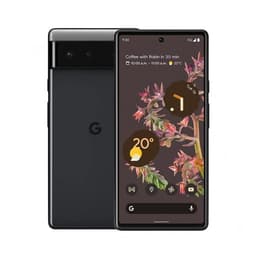
Google Pixel 6
Google Pixel 6
Starting at

Refurbished price:£101.00

Versus £649.99 new

See options
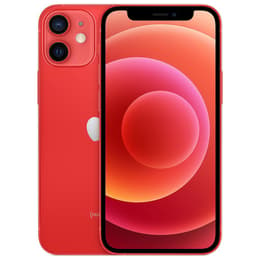
iPhone 12 mini
iPhone 12 mini
Starting at

Refurbished price:£126.00

Versus £579.00 new

See options

Ratings

The Google Pixel 6, released in late 2021, and the iPhone 12 Mini, launched in late 2020, represent two distinct philosophies in the smartphone market. While the Pixel 6 serves as a larger, feature-rich device running Google's native Android software, the iPhone 12 Mini is a compact, pocket-friendly handset operating on Apple's iOS ecosystem. The primary differentiators between these two models lie in their physical dimensions and battery capacities, catering to very different user priorities regarding portability and daily endurance.

Choosing between these devices involves weighing the benefits of a large, high-refresh-rate screen against the convenience of a device that can be easily operated with one hand. Both smartphones offer modern connectivity and capable camera systems, but their software experiences and physical handling characteristics set them apart for different types of mobile users.

Scores

Durability

When evaluating the longevity of these devices, users must consider both the release dates and the differing software support cycles provided by their respective manufacturers.

  • Software Support: The iPhone 12 Mini typically benefits from Apple's long-term update policy, which often provides major operating system versions for six to seven years from the launch date. The Google Pixel 6 was launched with a commitment to three years of major Android updates and five years of security patches, meaning its period of receiving new features is reaching its final stages while security remains a priority.
  • Repairability and Build: Both devices feature glass and aluminium constructions that require careful handling. The Pixel 6 has a more complex internal layout, while the iPhone 12 Mini's compact nature makes internal components more tightly packed, though both are serviceable by professional technicians.
  • Practical Lifespan: Given that we are in 2026, both devices are entering the later stages of their primary lifecycles. Users can expect the iPhone to potentially receive one or two more software iterations, while the Pixel 6 will focus primarily on maintaining system security and stability.

Year of Release

2021

2020

Compatible with latest Update

Yes

Yes

OS

Android

iOS

Foldable

No

No

Performance

Performance in these handsets is defined by how they handle modern applications and how long they can stay powered throughout a typical day of usage.

  • System Responsiveness: The Pixel 6 utilizes a high amount of memory to ensure that switching between multiple open applications remains fluid and responsive. The iPhone 12 Mini, despite having less physical memory, benefits from deep software integration that allows it to run demanding tasks and games with consistent speed and minimal lag.
  • Battery Endurance: There is a significant difference in battery behavior due to physical size constraints. The Pixel 6 houses a much larger battery that comfortably supports a full day of heavy use, whereas the iPhone 12 Mini's smaller capacity means that frequent users may find themselves needing to recharge by late afternoon or early evening.
  • Storage and Multitasking: Both models offer various storage tiers to accommodate photos and apps. In daily tasks like web browsing, social media, and video streaming, both devices remain highly capable, though the Pixel 6 stays cooler during prolonged multitasking sessions due to its larger surface area for heat dissipation.

Memory (GB)

8 GB

4 GB

Screen quality

The viewing experience differs greatly between these two models, primarily due to the display technology and the physical space available for content.

  • Display Technology and Smoothness: The Pixel 6 features a 6.4-inch OLED display with a 90Hz refresh rate, which makes scrolling through lists and navigating the interface appear smoother than on standard screens. The iPhone 12 Mini uses a 5.4-inch OLED panel with a standard 60Hz refresh rate, which provides excellent color accuracy and deep blacks but lacks the fluid motion found on the Google device.
  • Clarity and Brightness: Both screens offer high resolutions that make text look sharp and images appear detailed. The iPhone 12 Mini's display is particularly bright, making it easy to read even in direct sunlight, while the Pixel 6 provides a more immersive experience for watching videos or playing games due to its significantly larger canvas.
  • Handling and Visibility: The compact screen of the iPhone 12 Mini is ideal for users who prefer reaching every corner of the display with their thumb. Conversely, the Pixel 6 is better suited for those who prioritize media consumption and reading long articles without excessive scrolling.

Resolution

1080 x 2400

1080 x 2340

Screen type

AMOLED

Super Retina XDR OLED

Audiovisual

Both smartphones are well-regarded for their photographic capabilities, though they excel in different areas of image and video capture.

  • Still Photography: The Pixel 6 is known for its computational photography, producing images with high dynamic range and excellent detail in challenging lighting conditions. Its main sensor captures a significant amount of light, making it a strong performer for evening shots. The iPhone 12 Mini produces very natural colors and consistent results across its main and ultra-wide lenses, making it a reliable choice for quick snapshots.
  • Video Recording: The iPhone 12 Mini is often preferred for video work, offering smooth stabilization and high-quality recording that maintains clarity even when the subject is moving. The Pixel 6 has made strides in video quality, providing several stabilization modes that help users capture steady footage during walks or activities.
  • Audio and Media: Both devices feature stereo speakers that provide clear audio for calls and media. The microphone arrays on both handsets are designed to filter out background noise, ensuring that voice recordings and video calls remain clear in moderately loud environments.

Main camera

50 megapixels

12 megapixels

Front camera

8 megapixels

12 megapixels

Miscellaneous

Beyond the core specifications, several practical features influence the daily experience of using the Pixel 6 and the iPhone 12 Mini.

  • Biometrics and Security: The Pixel 6 uses an optical fingerprint sensor located under the display for secure access, which some users find convenient when the device is sitting on a desk. The iPhone 12 Mini utilizes facial recognition technology, which is generally faster and more seamless for unlocking the phone simply by looking at it.
  • Connectivity and Ports: Both devices support 5G networks for fast mobile data and include modern Wi-Fi and Bluetooth standards. The Pixel 6 uses a universal USB-C port for charging and data transfer, while the iPhone 12 Mini relies on the Lightning port, which may require specific cables for those not already in the Apple ecosystem.
  • Physical Footprint: The weight difference is noticeable; the Pixel 6 is a substantial device that feels sturdy and heavy in the hand, whereas the iPhone 12 Mini is one of the lightest smartphones available, making it almost unnoticeable in a pocket.

Weight

207 g

135 g

Screen size (in)

6.4

5.4

Mobile network

5G

5G

SIM card

Physical SIM + eSIM

Physical SIM + eSIM

Carrier compatibility

Unlocked

Unlocked

In summary, the choice between the Google Pixel 6 and the iPhone 12 Mini comes down to a preference for size and software. User consensus on forums often highlights the Pixel 6 for its impressive still photography and the smooth feel of its 90Hz display. However, some users have noted that its larger size can be cumbersome for those with smaller hands. On the other hand, the iPhone 12 Mini is frequently praised for its unique compact form factor and powerful performance, though its shorter battery life remains a common point of criticism among heavy users.

Users who prioritize a large screen for media consumption, a long-lasting battery, and the flexibility of Android will find the Pixel 6 to be a well-aligned choice. Conversely, those who value portability, one-handed use, and the integrated services of the iOS ecosystem will likely prefer the iPhone 12 Mini. For those looking to make a sustainable choice, opting for a quality-assured refurbished option is an eco-friendly alternative that extends the life of these capable devices. Both smartphones remain relevant in 2026, providing distinct experiences that cater to specific lifestyle needs. Choosing a sustainable, refurbished model ensures you receive a thoroughly tested device while contributing to a more circular electronics economy.
See all articles

Our recent comparisons