
Galaxy S10 Vs iPhone 14

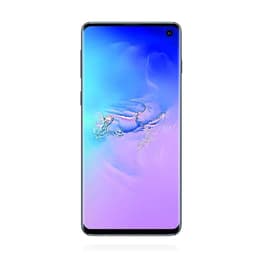
Galaxy S10
Galaxy S10
Starting at

Refurbished price:£108.00

Versus £639.00 new

See options
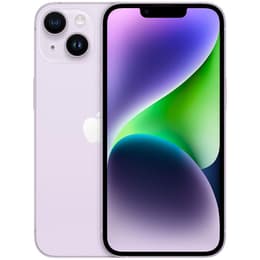
iPhone 14
iPhone 14
Starting at

Refurbished price:£229.00

Versus £599.00 new

See options

Ratings

The Samsung Galaxy S10 (2019) and the Apple iPhone 14 (2022) represent different eras of smartphone technology, each catering to distinct user preferences. While the Galaxy S10 was a pioneer of the hole-punch display and versatile triple-camera systems, the iPhone 14 focuses on refined performance, modern safety features, and long-term software support. These devices run on Android and iOS respectively, offering unique ecosystems for users to navigate. Choosing a quality-assured refurbished option is a sustainable choice for those seeking a reliable smartphone that balances functionality with environmental responsibility.

Scores

Durability

The age gap between these two devices significantly impacts their expected lifespan and software compatibility in the current year.

  • Software Longevity: The iPhone 14 continues to receive the latest operating system updates, ensuring access to new features and security patches for several more years. In contrast, the Galaxy S10 has reached the end of its official major software update cycle, meaning it may not support the newest versions of certain applications.
  • Build and Repairability: Both phones feature glass and metal constructions, but the iPhone 14 uses a more durable front glass technology designed to resist drops. While the Galaxy S10 is generally straightforward for battery replacements, the iPhone 14 features an internal design that simplifies certain repairs, such as back glass replacement.
  • Practical Lifespan: Given its newer release date, the iPhone 14 is better positioned for long-term daily use, whereas the Galaxy S10 is best suited for users who do not require the most recent software innovations.

Year of Release

2019

2022

Compatible with latest Update

No

Yes

OS

Android

iOS

Foldable

No

No

Performance

While both phones handle daily tasks reliably, the generational gap results in noticeable differences in speed and efficiency during intensive use.

  • System Responsiveness: The iPhone 14 maintains a fluid experience when switching between demanding apps or editing high-resolution video. The Galaxy S10 remains capable for standard web browsing and social media, though users may notice slight delays when launching modern, resource-heavy applications compared to newer models.
  • Multitasking and Memory: With a generous amount of internal memory, the Galaxy S10 manages multiple open background apps effectively. However, the iPhone 14's efficient management of system resources allows it to stay responsive even during heavy gaming or complex multitasking sessions.
  • Battery Behaviour: The iPhone 14 generally offers longer active usage time on a single charge due to its more efficient internal components. The Galaxy S10 supports wireless charging and power sharing, though its battery may require more frequent top-ups during a full day of heavy use.

Memory (GB)

8 GB

6 GB

Screen quality

Both devices feature high-quality display panels, but they offer different visual priorities regarding clarity, design, and outdoor visibility.

  • Display Technology: The Galaxy S10 uses a curved AMOLED screen that provides deep blacks and vibrant colours, with a high pixel density that keeps text looking sharp. The iPhone 14 features a flat OLED display that prioritises colour accuracy and high peak brightness, making it easier to view under direct sunlight.
  • Viewing Experience: The Galaxy S10 is known for its "Infinity-O" design with a small camera cutout, offering an expansive view for media consumption. The iPhone 14 retains a notch at the top of the screen, which houses the sensors for facial recognition but slightly interrupts the display area.
  • Smoothness and Interaction: Both screens operate at a standard refresh rate, providing a familiar and consistent feel during scrolling and navigation. The iPhone 14's display is protected by a specialised ceramic coating, while the Galaxy S10 features a sleek, curved edge that some users find more ergonomic.

Resolution

1440 x 3040

1170 x 2532

Screen type

Dynamic AMOLED

Super Retina XDR OLED

Audiovisual

The camera setups on these devices reflect different philosophies, with the Galaxy offering more lenses and the iPhone focusing on processing quality and video stability.

  • Photography Versatility: The Galaxy S10 includes a dedicated telephoto lens for zooming in on distant subjects, alongside wide and ultra-wide lenses. The iPhone 14 lacks a dedicated zoom lens but produces highly detailed images with natural skin tones and excellent dynamic range using its dual-camera system.
  • Video and Audio: Video recording on the iPhone 14 is exceptionally stable, featuring advanced software stabilisation that mimics professional equipment. The Galaxy S10 provides clear 4K video and includes a traditional headphone jack, which is a useful feature for users who prefer using wired audio equipment for recording or listening.
  • Low-Light Performance: The iPhone 14 excels in dark environments, using modern processing to pull detail out of shadows without excessive grain. The Galaxy S10 performs well in daylight but may struggle to maintain the same level of clarity in very dim settings compared to the newer sensors in the iPhone.

Main camera

12 megapixels

12 megapixels

Front camera

10 megapixels

12 megapixels

Miscellaneous

Beyond the core specifications, these phones differ in their physical connectivity, security methods, and overall handling characteristics.

  • Biometrics and Security: The Galaxy S10 uses an ultrasonic fingerprint sensor embedded under the display, allowing for quick unlocking even in various conditions. The iPhone 14 relies on sophisticated facial recognition technology, which is highly secure and integrates seamlessly with banking and password management apps.
  • Connectivity and Ports: The iPhone 14 supports 5G networks for faster mobile data speeds and uses a Lightning port for charging and data transfer. The Galaxy S10 is limited to 4G LTE speeds but offers the flexibility of a microSD card slot for expandable storage and a universal USB-C port.
  • Size and Handling: Both devices are relatively compact by modern standards, making them easy to use with one hand. The Galaxy S10 is slightly lighter and narrower due to its curved edges, while the iPhone 14 has a more industrial, squared-off feel that provides a secure and sturdy grip.

Weight

175 g

172 g

Screen size (in)

6.1

6.1

Mobile network

4G

5G

SIM card

Physical SIM

Physical SIM + eSIM

Carrier compatibility

Unlocked

Unlocked

Connector

USB-C + Jack 3.5mm

Lightning

User feedback from various community forums highlights the distinct strengths of both the Galaxy S10 and the iPhone 14. The Galaxy S10 is often praised for its "classic" features like the headphone jack and expandable storage, which many users still find essential for their daily workflows. However, some long-term owners note that its battery life and software speed have begun to show their age in the face of modern app requirements. The iPhone 14 receives consistent praise for its reliable performance, excellent video quality, and the peace of mind provided by long-term software updates, though some users miss the customisation flexibility found in the Android ecosystem.

Users who prioritise modern connectivity, long-term software support, and high-end video recording will find the iPhone 14 to be a better fit for their needs. Conversely, those who value legacy features like wired audio, expandable storage, and a curved display design may still find the Galaxy S10 appealing for everyday tasks. Selecting a quality-assured refurbished option serves as an eco-friendly alternative for mindful consumers, allowing them to access these technologies while supporting a more circular economy. Ultimately, the decision rests on whether you prefer the feature-rich flexibility of the Galaxy or the streamlined, long-lasting ecosystem of the iPhone.
See all articles

Our recent comparisons